Shift denim material choices to cut product carbon
 Mavi
Mavi SKD Türkiye
Summary
An apparel product range defined by preferred materials rather than by design theme grew to 30 per cent of revenue and cut the carbon carried in the products themselves.
Context
Submitted through the COP31 Sustainable Transformation Awards · SKD Türkiye (WBCSD Global Network Partner)
The company designs and retails denim and casual apparel, selling through retail, wholesale and online channels, and employs more than 5,000 people. In 2026, Mavi ranked second worldwide and first in the global apparel industry in the TIME and Statista World’s Best Companies – Sustainable Growth ranking.
For an apparel business the emissions problem is not in the stores or the offices. Total emissions in 2025 were 337,842 tonnes CO2e, of which 99 per cent sat in Scope 3, and approximately 84 per cent of the corporate footprint — 283,682 tonnes CO2e — came from the materials and processes used to manufacture the products themselves (1).
That distribution makes material choice the decisive lever. A denim-focused apparel brand business can change its energy contracts, its logistics and its buildings and still leave the great majority of its footprint untouched, because the carbon is bought in with the fabric and manufacturing processes.
The company therefore built its sustainability strategy around four themes — people, environment, community and denim — and made the material specification of the product the operating instrument of the climate strategy rather than a marketing layer on top of it.
The measurement infrastructure was put in place first. Greenhouse gas inventories are calculated to the GHG Protocol, emissions have been independently verified to limited assurance since 2020, and progress against targets has been reported publicly to the CDP climate change programme for the past six years (3).
Location of the initiative: Türkiye, with the collection sold across 34 countries
Solution
Launched in 2019, the All Blue collection is a product line defined by material rules rather than by season or design theme. A garment qualifies when it is made with one or more preferred materials: regenerative, organic or recycled cotton certified under OCS, RCS or Regenagri; cellulosic fibres containing branded lyocell; recycled or RCS-certified polyester; and upcycled materials. Products are all vegan and the labels use FSC-certified paper.
Because the rule sits at material level, it travels. A buyer in any market applies the same test to any product, which is why the collection is offered in every country where the company sells, with the United States, Canada and Germany among the largest, and moves directly into an existing global operation of approximately 4,000 points of sale, of which 498 are own stores, across 34 countries.
Regenerative cotton is the most recent addition. Regenagri-certified fabrics are made from cotton grown with practices intended to improve soil health, increase biological diversity and reduce greenhouse gas emissions, which extends the material rule from processing back into the field.
A closed loop runs alongside the rule. At the end of each season, samples produced during design and development are returned to fibre, converted back into fabric and used again in the collection, so development waste re-enters the range instead of leaving it. Additionally, the company collaborates with business partners to repair and resell returned or unsold products, diverting waste and donating surplus items to economically disenfranchised groups.
The commercial trajectory shows the rule moving from niche to core. The share of revenue from products inside the collection and BCI membership rose from 6 per cent in 2020 to 9.7 per cent in 2021, 14 per cent in 2022, 25 per cent in 2023, 27 per cent in 2024 and 30 per cent in 2025, meeting a target set for 2026 a year early (1). In 2025 these products were 19 per cent of all units sold and 68 per cent of denim revenue, against 27 per cent of denim revenue in 2022, and the share of preferred materials and BCI cotton across all denim products reached 87 per cent. Five of the collections — Mavi Repreve, Mavi Hemp Denim, Mavi Natural Dye, Mavi Recycled Blue and Pro Dark Tech — have been recognised as Most Sustainable Collection at the Rivet Awards.
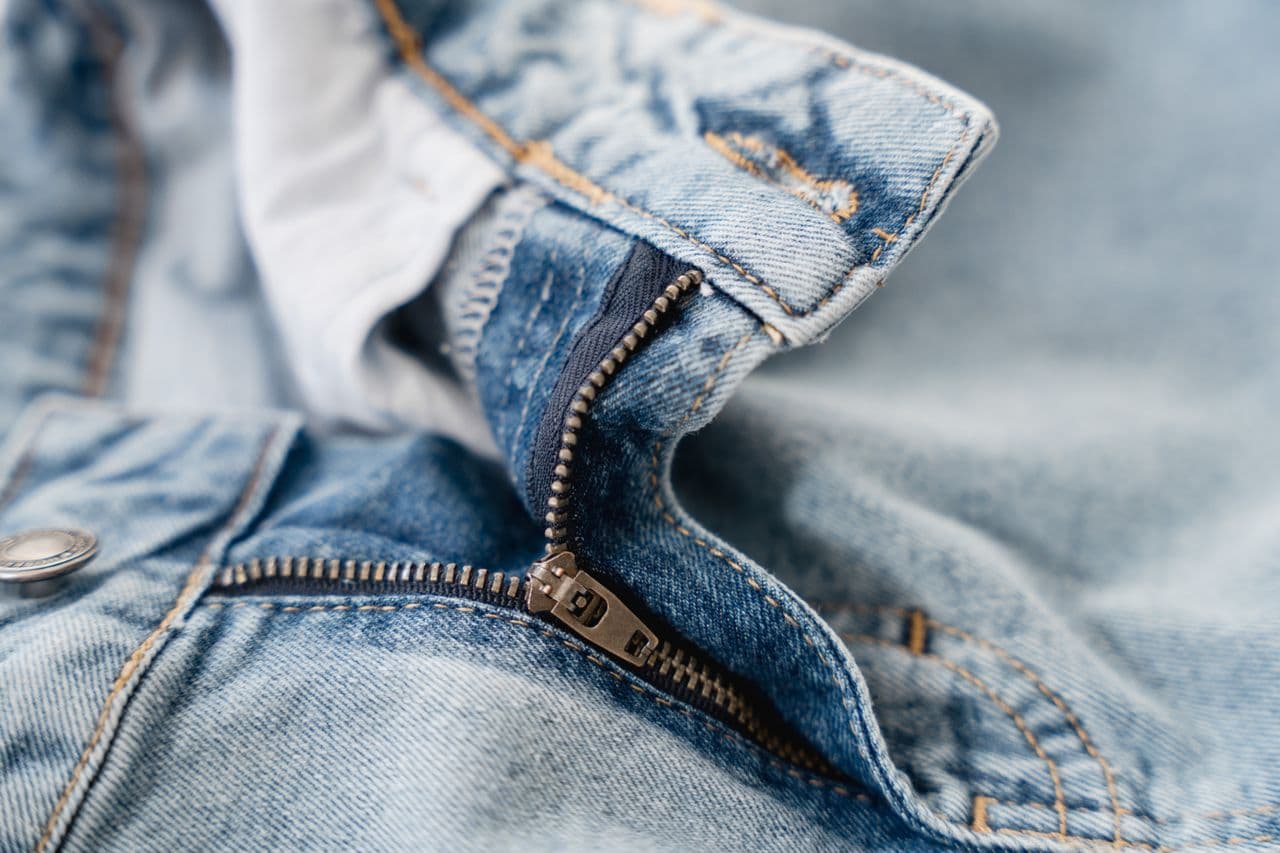
Figure 1: All Blue — the product range defined by preferred materials rather than by season or design theme

Figure 2: Share of revenue from All Blue and Better Cotton products, 2020-2025, against the 2026 target

Impact
Sustainability impact
Climate
The initiative acts on Scope 3, Category 1: Purchased goods and services, which is where the emissions embedded in fabrics and trims sit and where 84 per cent of the corporate footprint is concentrated. Scope 1 and Scope 2 are addressed separately through energy measures and are not the subject of this initiative.
Against a 2019 base year, the company has committed to reduce absolute Scope 1 and 2 emissions by 70 per cent by 2030 and Scope 3 emissions from purchased goods and services by 55 per cent per Turkish lira of value added, and to reach net zero across the value chain by 2050. Near-term targets were approved by the Science Based Targets initiative in 2022 and the long-term net-zero targets in 2025 (2).
By 2025, measured against the 2019 base year, the Scope 1 and 2 reduction had reached 72.46 per cent and the Scope 3 reduction from purchased goods and services 91.58 per cent per TL value added (1).
The avoided-emissions effect of the collection is calculated by multiplying the 2025 consumption of each preferred material by the emission factor of its conventional equivalent — for example the conventional cotton factor of 4.04 kg CO2e per kg in place of the factors for organic, recycled, regenerative and BCI cotton — and subtracting the emissions actually incurred. On that basis the preferred cotton types alone avoided approximately 16,650 tonnes CO2e in 2025; adding recycled polyester and lyocell brings the total to approximately 17,400 tonnes CO2e, reported as 17,411 tonnes for the year.
Applying the same method to every year from the 2019 base year gives approximately 45,937 tonnes CO2e avoided over 2019-2025, a figure the company communicates publicly as approximately 46,000 tonnes. Annual avoided emissions rose from 58 tonnes CO2e in 2019 to 17,411 tonnes in 2025 as the collection grew. Emissions associated with material consumption were independently audited in 2025 (4).
The company reports an A score for both climate change and water security in 2023, 2024 and 2025, and states that it is the first and only Turkish apparel company to hold a double-A rating on CDP’s global A List. Its forests score is B, above the sector average (3).
Nature
Regenerative cotton certified under Regenagri is grown with practices aimed at soil health and biological diversity, which extends the environmental effect of the material rule from processing into land management.
Material substitution also reduces the water footprint of the product range, since organic, recycled and regenerative cotton and recycled polyester replace conventional inputs with higher water intensity, and the company reports water security performance to the CDP alongside climate (3).
Product labelling uses FSC-certified paper, and the sample recovery loop returns design and development samples to fibre rather than to waste, so the material stays in use inside the range.
Social
The supply chain is treated as a development relationship rather than a purchasing relationship. Suppliers are assessed through social compliance and environmental audits, brought into decision-making through a supplier code of conduct, global purchasing principles, training and a supplier portal, and non-conformities are followed through corrective action plans.
Regular purchasing of certified materials finances the certification systems themselves and the producers working inside them. BCI cotton reached approximately 23 per cent of global cotton production in 2025 and 1.4 million licensed farmers in 15 countries, a scale that demand from large buyers makes possible (5).
Consumers are informed through product labels and website descriptions, and customer feedback is collected through NPS, CSAT and CES surveys and through the loyalty programme and mobile application, then fed back into product development and communication.
Business impact
Benefits
The commercial result is that the sustainability specification became the growth engine of the range rather than a cost centre. Revenue share rose from 6 per cent in 2020 to 30 per cent in 2025, meeting the 2026 target a year early, and the collection reached 68 per cent of denim revenue and 19 per cent of total units sold.
Because the material rule lowers the carbon intensity of the product, growth in the collection reduces the corporate footprint at the same time as it grows the business, which removes the usual tension between commercial and climate targets.
External recognition supports the position: five collections have been named Most Sustainable Collection at the Rivet Awards, near-term and net-zero targets are approved by the Science Based Targets initiative (2), and CDP scores of A for climate and water in three consecutive years (3) answer the due diligence questions that wholesale partners and investors now ask.
The material-level emissions data is independently audited (4), so the avoided-emissions calculation for the most recent two years rests on audited figures. The company notes that product emissions modelling still needs to be more precise, particularly for manufacturing-phase impacts.
Costs
Preferred materials cost more than their conventional equivalents, and the difference is carried across the whole range as the share grows, so the programme is a sustained gross margin decision rather than a one-off investment.
Certification, traceability, audit and assurance carry their own costs: scheme membership and certification for cotton and polyester, supplier social and environmental audits, independent limited assurance of the greenhouse gas inventory since 2020, and external verification of material consumption emissions in 2025.
Supply is the main dependency. Reaching a 100 per cent All Blue denim collection by 2030 depends on the availability of preferred materials and BCI Cotton. The company partly secures this by sourcing them regularly, which in turn supports the growth of the certification schemes and preferred-material initiatives it relies on.
Costs are managed by treating suppliers as partners whose development is supported rather than as interchangeable vendors, by using one material rule across all markets so the specification does not have to be re-engineered per country, and by tying delivery to governance: sustainability performance forms 15 per cent of the long-term incentive plan for the chief executive and executives with administrative responsibility, assessed over a three-year period.
Impact beyond sustainability and business
Co-benefits
Regular purchasing of certified materials has an effect beyond the company’s own product portfolio: it provides recurring revenue to certification systems and to the producers inside them, which is what allows those systems to expand. BCI cotton reaching approximately 23 per cent of global cotton production and more than 1.4 million licensed farmers in 15 countries is an outcome of aggregate demand of this kind (5).
Product labelling and website disclosure shift consumer attention towards lower-impact materials, which changes demand signals at the retail end as well as supply arrangements at the production end.
The sample recovery loop demonstrates a route for design waste that other brands can copy without changing their supply base. The All Blue collection contributes to a set of complementary SDGs by bringing environmental objectives together through a unified material approach. Material choices that help reduce the water footprint support Clean Water and Sanitation (SDG 6), while the company’s renewable energy approach contributes to Affordable and Clean Energy (SDG 7). Sustainable product and material innovation in denim supports Industry, Innovation and Infrastructure (SDG 9). Regenagri-certified regenerative cotton contributes to Life on Land (SDG 15) by supporting soil health and biodiversity, while collaboration with certification schemes and preferred-material organisations strengthens Partnerships for the Goals (SDG 17).
Potential side-effects
Avoided emissions are a counterfactual, not an absolute reduction. The figures describe what would have been emitted if conventional materials had been used, and they depend on the emission factors chosen, such as the 4.04 kg CO2e per kg factor for conventional cotton. They should be read alongside the absolute inventory of 337,842 tonnes CO2e rather than netted against it.
The 87 per cent denim figure combines preferred materials with BCI cotton, and these are different standards with different requirements. Reporting them as one number is defensible for tracking progress but obscures the mix, so the composition needs to be disclosed alongside the headline.
Growth of the collection is constrained by certified fibre supply. If demand outruns certified capacity, either the share stalls or standards come under pressure, which is why financing the certification systems through steady purchasing is part of the strategy rather than a by-product of it.
Implementation
Typical business profile
The model suits consumer goods businesses whose footprint is concentrated in purchased materials rather than in their own operations, particularly apparel, footwear and home textiles companies running a multi-country retail and wholesale operation.
It is most applicable where a company has direct control of product specification and an established supplier base that can be certified, and where a recognisable product family — denim in this case — can carry the rule before it is extended to the rest of the range.
Delivery engages design and product development, sourcing and supply chain, sustainability, finance, marketing and retail operations, working to a shared target and reporting cycle.
Approach
Locate the emissions before choosing the intervention: Calculate the corporate inventory to the GHG Protocol, split it by scope and category, and identify the share held by purchased materials — approximately 84 per cent of the footprint here — so that effort is directed at the decisive category rather than at the most visible one.
Define preferred materials as a rule rather than a preference: Write a closed list of accepted materials and the certification schemes that evidence them, covering organic, recycled and regenerative cotton, certified recycled polyester, branded lyocell and upcycled inputs, so that buyers apply one test at product level in every market.
Set a revenue-share target and publish progress annually: Track the share of revenue made up of qualifying products, report it every year in the annual and sustainability report, and set a forward target — here a full denim collection by 2030 — so the rule is measured commercially rather than as a product count.
Build the counterfactual method before making an avoided-emissions claim: Multiply consumption of each preferred material by the emission factor of its conventional equivalent, subtract actual emissions, apply the same method to every year from the base year, and submit the material consumption emissions to independent audit.
Take certification cost into the buying plan: Budget scheme membership, certification and traceability as part of material cost, and buy certified volumes regularly so certification systems and certified producers have the recurring demand they need to expand capacity.
Develop suppliers instead of switching them: Run a supplier code of conduct, global purchasing principles, social compliance and environmental audits, training and a supplier portal, and follow non-conformities with corrective action plans, so that capability is built where the material is made.
Close the sample loop: Collect the samples produced during design and development at the end of each season, return them to fibre, convert them back into fabric and re-enter them into the qualifying range, which turns a development waste stream into a material source.
Anchor the target in governance and pay: Run the strategy through a board-level sustainability committee chaired by the chief executive with senior executives as members, staff working groups drawn from the relevant functions, and include sustainability performance in the long-term incentive plan so that delivery is assessed over several years rather than one.
Stakeholders involved
Project leads: A sustainability committee reporting to the board runs the strategy. It is chaired by the chief executive and has 16 members in total, including the chief brand, marketing, supply chain, human resources, financial and commercial officers, so ownership sits at the top of the business rather than in a specialist unit. Six working groups report to the committee — employees, corporate governance and risk, environment, supply chain, sustainable products and research and development, and customer and digitalisation — staffed by more than 60 employees from the relevant departments, each with its own roadmap. Sustainability risks are coordinated by the early risk detection committee and the corporate risk management department.
Company functions: Design and product development set the material specification; sourcing and supply chain qualify mills and suppliers against the certification rules; sustainability maintains the inventory, the calculation method and external assurance; finance carries the material cost and the incentive linkage; marketing and retail communicate the material claims at the point of sale. All work to the committee roadmaps and the annual reporting cycle.
Main providers: Denim fabric mills and garment manufacturers supply the certified materials and are developed as partners through audits, training and a supplier portal rather than treated as interchangeable vendors. Certification schemes and preferred-material initiatives for cotton and man-made cellulosic fibres provide the standards, the chain-of-custody evidence and direct input into product and material decisions. Independent assurance providers verify the greenhouse gas inventory and the material consumption emissions.
Other: Customers and consumers are engaged through product labels, website disclosure and NPS, CSAT and CES surveys, with insights from the loyalty programme and mobile application feeding product development. Disclosure platforms and the science-based target body act as external reference points, and results are published annually in the combined annual and sustainability report, which has been issued every year since 2020.
Key parameters to consider
The base year is 2019, which is also the launch year of the collection, so commercial growth and emissions performance are measured on the same timeline.
The revenue-share metric counts products inside the collection together with those covered by BCI membership; the material-level figures for preferred materials are reported separately, and both are needed to read the results correctly.
Avoided emissions are recalculated for every year using the same method, which is what makes the cumulative 2019-2025 figure meaningful rather than a sum of differently constructed annual numbers.
The programme runs across 34 countries and approximately 4,000 points of sale, 498 of them own stores, so any rule adopted has to be executable by buyers and store teams without local interpretation.
Implementation and operations tips
Put the rule in the material specification, not in the collection story. Because qualification depends on certified inputs, the claim survives changes of designer, season and market.
Publish the method as well as the number. The avoided-emissions figure is only credible because the emission factors, the counterfactual and the audit status are stated with it.
Report the absolute inventory alongside the avoided figure. A 337,842 tonne footprint and a 17,411 tonne avoided figure describe different things, and combining them would misrepresent both.
Buy certified material continuously rather than opportunistically. The supply of certified fibre only grows if buyers give certification systems predictable demand, so purchasing policy is part of the abatement strategy.
Link the target to remuneration early. Making sustainability performance 15 per cent of a long-term incentive plan assessed over three years changes how quickly working groups get answers from the rest of the business.