Turn Industrial Packaging from Waste to Value
 PROCOS (CBC Group)
 Sustainable Procurement Pledge
Summary
A specialized recovery partner was qualified to wash and decontaminate used drums, diverting industrial packaging from disposal into safe reuse across other sectors.
Context
The adopting company is an Italian pharmaceutical Contract Development and Manufacturing Organization (CDMO) specializing in the development, scale-up, and production of Active Pharmaceutical Ingredients (APIs), advanced intermediates, and related services, supplying customers worldwide. Metal and plastic drums used to supply purchased raw materials and intermediates had traditionally been disposed of after use because they had been in contact with hazardous substances, resulting in more than 200 tonnes of industrial packaging requiring end-of-life management every year. The objective was to develop a compliant circular solution capable of reducing waste while fully respecting safety requirements.
Location of the initiative: Italy, Cameri (NOVARA)
Solution
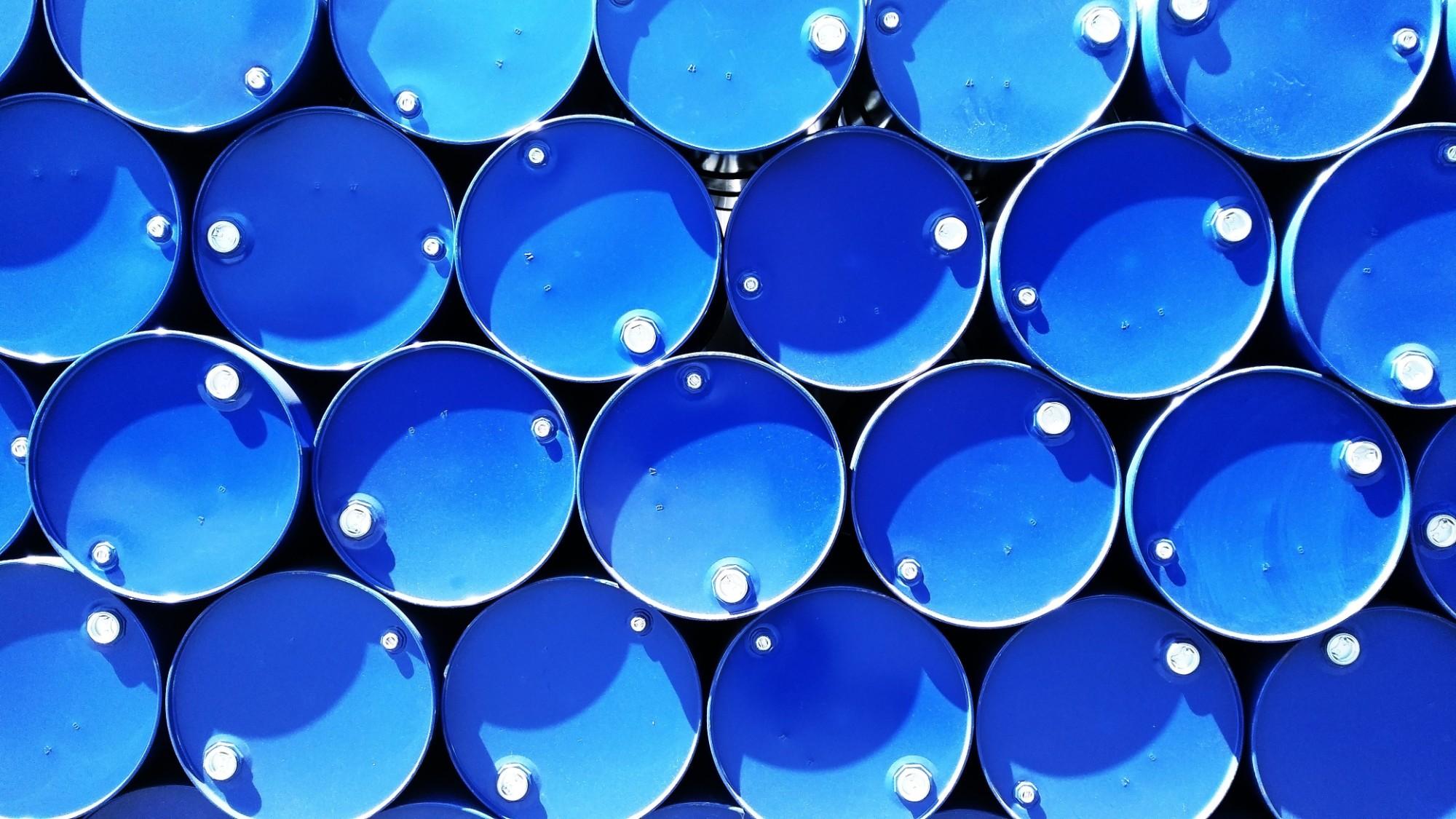
The adopting company's Environmental Unit identified and qualified a specialized external supplier capable of collecting, washing, and decontaminating drums that had contained hazardous substances. Instead of disposing of the packaging, the supplier restores it so it can be safely placed back on the market for reuse in other industrial sectors. The Environmental Unit coordinated supplier selection and implementation, while EHS and Operations supported the initiative to ensure compliance with applicable regulations and internal procedures. Rather than treating packaging as disposable, the initiative introduced an asset stewardship approach that maximised material value beyond its first use and transformed waste management into a circular procurement opportunity.
Figure 1: 2025 Empty Drum Recycling Process and Disposal Overview

Impact
Sustainability Impact
Nature
The programme evolved over several years as the Environmental Unit worked with a specialized recovery partner to progressively expand the scope of packaging suitable for recovery. Recovery rates fluctuated during implementation (49% in 2023 and 46% in 2024), but continuous process improvements enabled a significant step change in 2025: 144.5 tonnes of metal and plastic drums were recovered and prepared for reuse in other industrial sectors that year, while only 68.6 tonnes required incineration. As a result, 67.8% of all empty industrial drums leaving the site were successfully diverted from disposal. Performance was measured by tracking the proportion of packaging recovered versus total packaging generated. The initiative also reduced demand for virgin packaging in the market and demonstrated that circular economy principles can be applied even within regulated operations.
Business Impact
Benefits
Diverted 144.5 tonnes of industrial packaging from disposal in 2025, reducing disposal volumes and incineration needs.
Reduced demand for virgin packaging in the market by supplying recovered drums for reuse in other industrial sectors.
Strengthened the company's circular procurement strategy with a scalable, lasting solution built on continuous process improvement.
Costs
The initiative required limited capital investment. The main effort involved identifying the right recovery partner, redesigning the packaging end-of-life process, and coordinating implementation across functions. The transition required additional effort and supplier qualification, but the project turned more than 144 tonnes of industrial packaging from waste into a valuable resource for other industries.
Implementation
Typical Business Profile
This initiative is relevant for pharmaceutical, chemical, and other regulated manufacturing companies that generate significant volumes of industrial packaging. It is particularly valuable for organisations seeking practical circular economy solutions that can be implemented through procurement without changing core manufacturing processes. The approach is especially suitable for Procurement, EHS, Supply Chain, and Sustainability teams looking to reduce waste, extend asset value, and strengthen circular procurement practices.
Approach
Identify and qualify a specialized external supplier capable of collecting, washing, and decontaminating drums that had contained hazardous substances.
Coordinate supplier selection and implementation through the Environmental Unit, with EHS and Operations support to ensure regulatory and procedural compliance.
Redirect recovered drums to other industrial sectors after certified decontamination, rather than disposing of them.
Progressively expand the scope of packaging streams suitable for recovery.
Continuously monitor and improve the process to increase the recovery rate over time.
Track performance by measuring the proportion of packaging recovered versus total packaging generated.
Stakeholders Involved
Project leads and company functions: the Environmental Unit led the initiative, with support from EHS and Operations to ensure compliance with applicable regulations and internal procedures.
Main provider: a specialised recovery partner.
Internal support was built by demonstrating that the solution complied with regulatory requirements, since recovered drums were redirected to other industrial sectors after certified decontamination. Presenting the initiative as a practical circular economy solution helped secure stakeholder commitment.
Key Parameters To Consider
Recovery rates fluctuated during early implementation (49% in 2023, 46% in 2024) before a step change to 67.8% (144.5 tonnes recovered) in 2025, reflecting continuous process improvement over several years rather than an immediate result.
Implementation And Operations Tips
The greatest challenge was cultural rather than technical: in a highly regulated environment, packaging that has contained hazardous substances is often automatically considered waste, making alternative solutions difficult to accept.
Circular transformation isn't always linear: recovery rates didn't improve every year, highlighting the importance of persistence, continuous optimisation, and long-term supplier collaboration.
In hindsight, the company would embed a recovery mindset earlier and assess circular recovery opportunities as part of procurement strategy from the outset.
For organizations with fewer resources: start with one packaging stream and challenge the assumption that disposal is the only option. Partner with an experienced recovery specialist rather than developing in-house capabilities, and monitor simple KPIs such as recovery rate and tonnes diverted from disposal. Early measurable results help build internal support and justify scaling the initiative.