Advance circular mining and waste reuse across operations
 Vale
ValeSummary
Reusing mining waste and turning it into value through innovation and circular economy practices, creating sustainable products, optimizing resources, and reducing environmental impact.
Context
One of Vale’s keys decarbonization strategies is the responsible use of mineral resources to reduce environmental impacts. The company faces challenges related to waste generation, tailings management, and increasing expectations for sustainable mining. To address these, Vale integrated circularity into its operations through the Circular Mining Program, Waste to Value. Present across all mining corridors and complexes of Vale S.A., the initiative consolidates over 150 actions and aligns with the company’s ambition to become zero waste, zero tailings, and carbon-neutral, while promoting innovation, partnerships, and long-term cultural transformation.
Location: Global
Solution
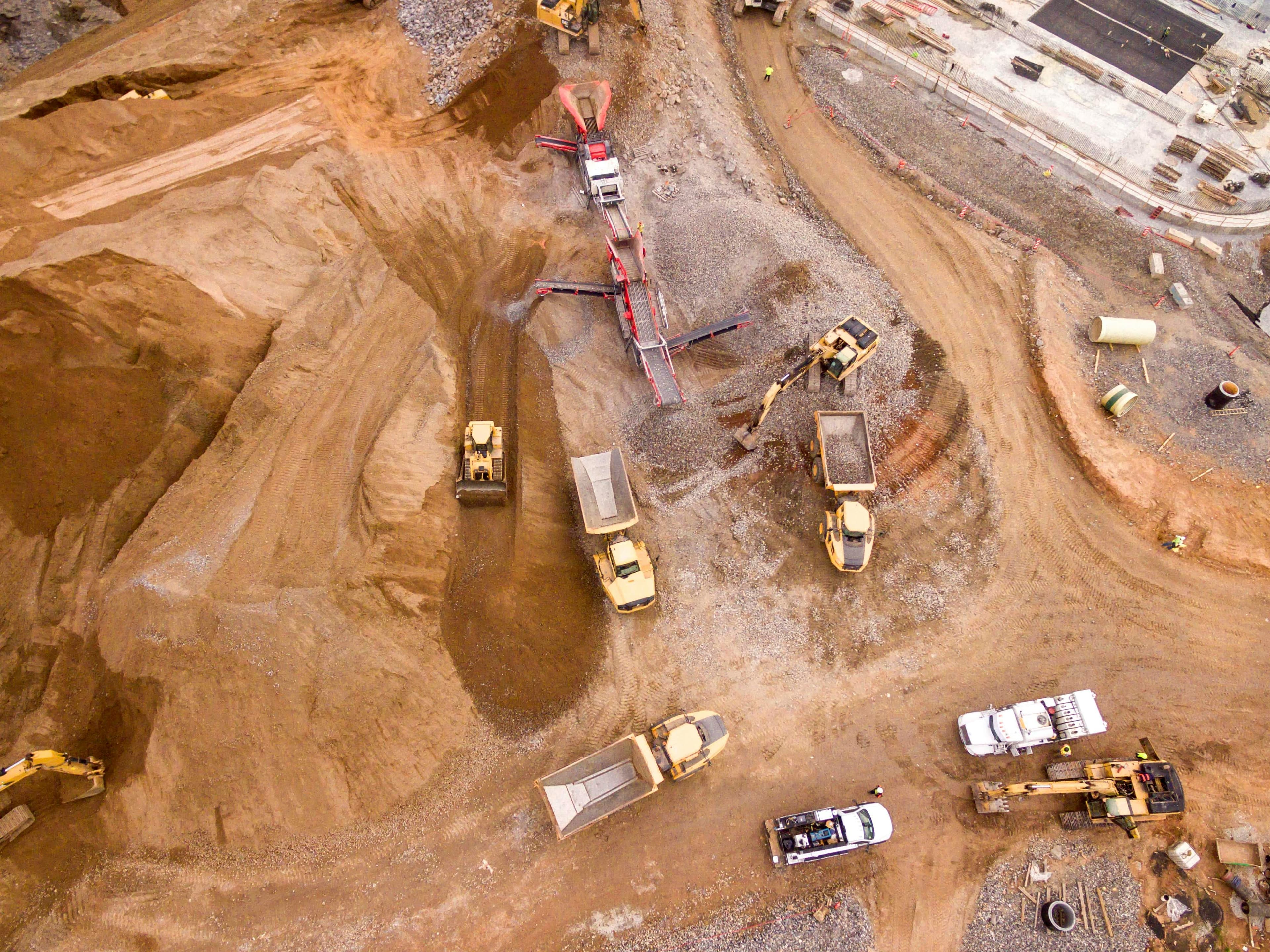
The Circular Mining Program, Waste to Value, consolidates over 150 initiatives at different maturity stages. So far, around 20 initiatives have been implemented, and they are already producing iron ore. These efforts include reusing waste and tailings from piles and dams, reducing the generation of waste and tailings, and developing and producing co-products. One example of co-products is sustainable sand, produced from tailings and used in civil construction. The program is present across all Vale S.A. mining corridors and complexes, promoting resource efficiency, environmental risk reduction, and value generation.
Utilization of Generated Waste
The Serrinha Mine (Minas Gerais, Brazil) was acquired by Vale in 2019 and is in the process of gradually closing its decommissioned structures – extraction pit, tailings dam, and waste piles. Initial investigations indicated an average iron content above 50% in the waste piles, which determined the feasibility of utilizing the material. This case contributes to Vale's iron ore production volume, and eliminating structures, thus reducing risks in operations and for adjacent communities.
Reduction in Tailings Generation
The Gelado Project (Pará, Brazil) is an example of Vale's efforts in tailings utilization by processing material from the Gelado dam, which has accumulated tailings over more than 37 years of operation at the Carajás Mine. Currently, the project produces high-quality pellet feed and, subsequently, pellets at the São Luiz unit, Maranhão, Brazil. In addition, the project's sustainable nature is reinforced using 100% electric dredges and pumps with electricity from renewable sources instead of fossil fuels like diesel. This project is still cited as a case study by the ICMM, materializing a new mining approach to obtaining products from tailings within the scope of circularity in mining.
Development and Exploration of Co-products
Currently, Vale produces sustainable sand from tailings at the Brucutu unit (Minas Gerais, Brazil) and paving blocks from tailings at the Pico unit (Minas Gerais, Brazil), which are marketed by Agera, a Vale-owned start-up. Another co-product is also being developed: mineral clay for cementitious additions. Vale invests in research and development projects for new co-products from waste and tailings, or new uses from the existing ones, to maximize the utilization of materials generated in its production process
Impact
Sustainability impact
Climate
W2V targets Scope 1 and 2 emissions by reducing diesel use and reducing steps like transportation. It also impacts Scope 3 emissions, especially Category 2: Capital Goods, by avoiding new infrastructure. In 2024, it delivered a 23 kt CO₂e reduction. Because circular mining has fewer stages than conventional mining, it emits less GHG. Projections estimate 30 kt CO₂e savings in 2025 and 50 kt by 2030, when 10% of Vale’s iron ore production will come from circular sources, enabling broader decarbonization across the value chain.
Nature
The program is closely linked to Vale’s dam decommissioning program. By reusing tailings in the production process, the initiative accelerates decharacterization efforts. Previously, tailings had to be relocated to new geotechnical structures, creating additional environmental liabilities and requiring new licensed areas. Now, tailings are reintegrated into operations, eliminating the need for new disposal sites. This reduces land use, avoids the creation of new environmental risks, and supports safer and sustainable dam elimination, preserving natural areas and contributing to long-term environmental protection.
Social
The program carries out initiatives within the coproducts area aimed at generating value from the waste produced in Vale's operations, encouraging the direct use of these materials in the regions where the company operates, promoting economic and environmental sustainability.
One of the supported initiatives is the donation of concrete blocks, which are produced using tailings from the Pico Mine to vulnerable local communities.
In addition, the program also develops R&D in coproducts focused on promoting territorial socioeconomic development, creating positive legacies and transferring knowledge to local suppliers.
Business impact
Benefits
Benefits include reduced risks associated with tailings dams and waste piles, increased safety for communities and workers, investments in R&D for coproducts, better use of mineral resources with extended mine life, and long-term sustainable value for society. The program also strengthens the company’s ESG strategy, enhancing transparency and investor confidence.
Costs
Vale has invested financial resources, both through R&D&I and ongoing investments, in circular initiatives, aiming to improve existing processes within the company, as well as new technologies and products, with a focus on generating value for the business, investors, and society.
The investment amount depends on each initiative, as each project is unique. Currently, Vale has 19 value capture initiatives and over 150 mapped initiatives, at various levels of maturity.
Implementation
Typical business profile
This initiative is relevant to mining companies aiming to transition toward zero tailings, zero waste, and carbon-neutral operations. It applies to both greenfield and brownfield sites seeking to improve resource efficiency and reduce environmental liabilities. The W2V is valuable for operations with legacy tailings structures or sustainability goals, offering a replicable model for integrating circularity into production. By turning waste into value, the program supports ESG commitments and long-term transformation, making it suitable for any mining business pursuing responsible growth and alignment with global decarbonization and circular economy targets.
Approach
The program was developed through multiple stages of brainstorming and co-creation involving corporate and operational teams across all Vale complexes. This collaborative process led to the definition of the circular mining concept. Initial initiatives were mapped and assessed for maturity, followed by financial analyses to determine net present value (NPV). All initiatives were then integrated under a governance model that enables synergy identification and consolidated benefit tracking. This structured approach ensures strategic alignment, scalability, and continuous value generation across the company.
Stakeholders involved
The program was developed through collaboration between multiple corporate areas and operational teams across all Vale sites. This cross-functional engagement ensured alignment and integration of circular mining concepts into daily operations. External institutions supported (ICMM and IBRAM) also conceptual development, and partnerships with universities contribute to research and innovation (UFMG). The initiative also benefits from full sponsorship and buy in from Vale’s leadership, reinforcing its importance within the company’s sustainability and transformation agenda. This broad involvement enabled the creation of a robust governance model and accelerated implementation across mining complexes.
Key parameters to consider
Potential to generate business, environmental, and social value
Technical capacity and infrastructure required for implementation
Risks involved, including operational, environmental, and regulatory aspects
Quality and characteristics of the material to be reused
Alignment with circular mining principles and strategic goals
Availability of environmental and social licenses to operate
Maturity level of the initiative and scalability potential
Stakeholder engagement and internal alignment across areas
Implementation and operations tips
Map key stakeholders and ensure their early involvement and engagement.
Establish a governance model to identify synergies and consolidate benefits.
Dedicate a team to monitor initiative progress and track performance indicators.
Promote change management to embed circularity into daily operations.
Encourage internal collaboration to scale successful practices across sites.
Use structured maturity assessments and financial analyses (e.g., NPV) to prioritize actions.
Going further
External links