Embed responsible mining in the Amazon
 Vale
ValeSummary
Large-scale mining project combining low-impact design, electrified transport, water-efficient processing, real-time monitoring, and ecosystem restoration for climate and local benefits.
Context
The Carajás case illustrates how large-scale industrial operations can pursue decarbonization while operating in an ecologically sensitive region. Located in Pará, Brazil, in the Amazon’s “deforestation arc”, the Carajás Mineral Complex has been operating since 1985 and now produces around 180 million tonnes of iron ore annually. This region plays a vital role in climate regulation and biodiversity conservation, safeguarding over 22,000 springs and 3,000 species of Amazonian flora and fauna, and storing around 600 million tonnes of carbon equivalent.
Despite being one of the world’s largest iron ore mines, Vale’s operations occupy only 3% of the protected area but maintaining this low footprint while expanding production is a major challenge. It addresses environmental pressures such as deforestation and biodiversity loss, while navigating the geographic challenges of operating in a protected ecosystem. Moreover, protecting approximately 800,000 hectares of forest requires constant monitoring and active measures to prevent illegal deforestation, wildfires, and poaching.
Operating in such a sensitive landscape presents reputational and environmental risks, demanding innovative strategies to minimize impacts. Decarbonization efforts at Carajás are driven by advanced engineering and data-driven environmental management. Vale has implemented natural moisture ore processing to reduce water consumption and eliminate the need for tailings dams, while transitioning away from traditional off-road trucks has significantly lowered fuel use and greenhouse gas emissions. Real-time environmental monitoring, powered by sensors, high-resolution cameras, and artificial intelligence, enables proactive responses to ecological threats and supports more informed decision-making. Cross-functional collaboration and clear communication of environmental risks across departments – from engineering to legal and executive leadership – is notably required.
Also important are the strong partnerships with public agencies (e.g., ICMBio), local communities, NGOs, and research institutions like the Vale Institute of Technology (ITV). Continuous protection of the Carajás Mosaic of Protected Areas – established through a pioneering partnership with ICMBio – has helped prevent the release of hundreds of millions of tonnes of CO₂ over the past decades. Finally, transparent governance, clear targets, and public reporting (e.g., ESG Databook, CDP) are essential to ensure credibility and long-term impact.
More than a technical challenge, decarbonization at Carajás reflects a broader shift in mindset – one that positions nature as a core element of business resilience and value creation. This perspective is embedded in Vale’s strategic planning, risk management, and governance frameworks, including the adoption of the Taskforce on Nature-related Financial Disclosures (TNFD) and the LEAP (Locate, Evaluate, Assess, Prepare). methodology, which help integrate biodiversity into corporate risk assessments and decision-making.
The Carajás case demonstrates how industrial development and conservation can coexist. By aligning operational excellence with climate and nature goals, Vale offers a replicable model for high-impact sectors seeking to transition toward low-carbon, nature-positive growth. In doing so, the company underscores that meaningful decarbonization is not only possible – It is essential for the future of sustainable industry.
Location: Brazil
Solution
Sustainable Industrial Integration
The S11D Eliezer Batista Project, located in the Carajás Mineral Complex, demonstrates how industrial operations can be integrated into fragile ecosystems with minimal ecological impact.
Vale achieved this through careful site selection, sustainable industrial design, strategic partnerships, and ecosystem restoration efforts.
Commitment to Climate and Resource Sustainability
S11D reflects Vale’s commitment to aligning with global decarbonization goals and ensuring the sustainable management of natural resources.
The project integrates environmental intelligence to improve operational efficiency via:
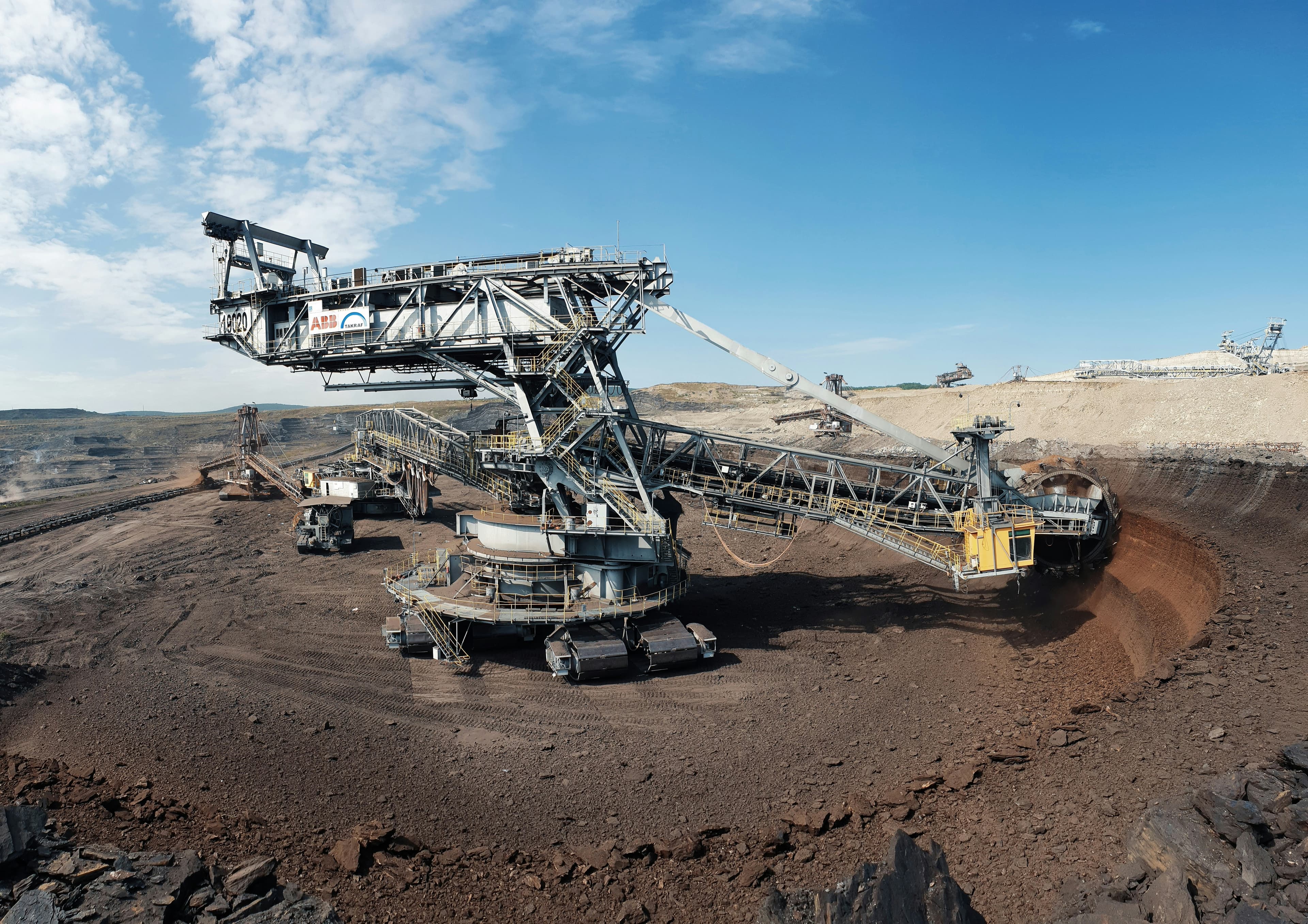
Natural moisture ore processing, which eliminates tailings dams and reduces water use.
Electrified transport systems, reducing fuel consumption by 70% and greenhouse gas (GHG) emissions by 50%.
AI, sensors, and cameras for real-time environmental monitoring.
Environmental Control and Monitoring
Vale implemented an Environmental Control Centre to strengthen monitoring and preventive environmental actions.
The system integrates field data, sensors, transmission technologies, and high-resolution cameras for continuous monitoring of environmental indicators during mining activities.
Local Development and Community Investment
Vale supports sustainable local economies in Parauapebas, creating jobs and autonomy for over 1,000 local producers through partnerships and value-chain investments.
In Canaã dos Carajás, the Casa da Cultura, part of the Vale Cultural Institute, promotes art, education, and local identity, with:
Over 600 active enrollments,
84,000 visitors, and
Free cultural events and workshops fostering inclusion and social transformation.
Novo Carajás Programme (2025–2030)
Launched in February 2025, the Novo Carajás Programme represents a R$ 70 billion investments over five years.
It focuses on:
Expanding production of high-quality iron ore and critical minerals for the energy transition,
Reinforcing Vale’s commitment to sustainable mining, environmental stewardship, and social progress,
Strengthening Brazil’s role in the global energy transition.
Efficiency and Environmental Impact Reduction
Through technology and innovation, Vale:
Avoided the use of 100 off-road trucks,
Reduced waste generation,
Cut fuel use by 70% and GHG emissions by 50%,
Reduced water consumption by 93%, equivalent to supplying a city of 400,000 inhabitants,
Reused 86% of collected water,
Avoided clearing over 1,000 hectares of forest, and
Began restoring 5,000 hectares of forest, exceeding the direct impact area.
Research and Scientific Advancement (ITV Institute)
Vale established the ITV (Vale Technology Institute) over a decade ago to guide science-based environmental decisions.
ITV focuses on biodiversity, habitat restoration, eDNA-based monitoring, climate research, and biotechnology.
The Amazon DNA Project identifies animal and plant species, supporting biodiversity conservation and the bioeconomy.
Partnerships, such as the Brazilian Biodiversity Genomic Project, enhance scientific knowledge and contribute to conservation of endangered and endemic species.
Biodiversity Conservation
Strong and pioneering partnerships with public agencies (e.g., ICMBio) provide important biodiversity conservation outcomes and helped prevent CO₂ emissions over the past decades.
Since 1985, Vale has maintained the Vale Amazônia BioPark, spanning 30 hectares of native Amazonian vegetation and serves as a repository of Amazonian biodiversity, housing endemic, rare, and threatened species.
The Biopark supports in situ (on-site) and ex situ (off-site) conservation through:
Scientific research,
Species protection,
Environmental education, and
Animal rehabilitation and public exhibitions.
Key Takeaways
The S11D Project illustrates that economic growth and environmental conservation can coexist, even in highly regulated and nature-dependent sectors.
Vale’s success is driven by:
Innovation and technology,
Strong partnerships, and
Long-term, trust-based relationships.
The project stands as a global example of how responsible mining can enable both economic development and environmental protection.
Impact
Sustainability impact
Climate
Regarding Scope 1, a 50% decrease in greenhouse gas emissions was achieved through operational improvements, likely including electrification of equipment and process optimization. Additionally, the use of advanced technologies and energy efficiency measures (e.g., natural moisture ore processing) are efforts to reduce electricity use, which would impact Scope 2 emissions.
Nature
Vale is actively contributing to the preservation of approximately 800,000 hectares of natural ecosystems in the Itacaiúnas River Basin, one of the most deforested regions in the Amazon, through partnership with ICMBio. This protected area safeguards a huge carbon stock, water springs, Amazonian biodiversity, and essential ecosystem services for local communities. It is estimated to store around 600 million tons of carbon equivalent, playing a crucial role in climate regulation and environmental resilience.
To enhance environmental protection, Vale implemented the Environmental Control Centre (CCA), a state-of-the-art monitoring hub that strengthens surveillance and enables proactive environmental management. The CCA integrates field data with advanced technologies such as sensors, transmission systems, and high-resolution cameras, allowing real-time monitoring of key environmental indicators during mining operations.
Vale’s restoration efforts around the S11D mine have led to the recovery of 5,000 hectares, the planting of approximately one million seedlings, and the establishment of 7,200 hectares of agroforestry systems since 2020. These initiatives not only restore degraded land, but also support sustainable livelihoods and biodiversity.
Positive biodiversity outcomes have been observed, including the return of apex predators such as jaguars and ocelots, indicating the recovery of ecological balance. The company also utilizes the Biolink platform to integrate ecological data for conservation planning.
To mitigate environmental impacts, Vale has avoided deforestation of 1,000 hectares by relocating infrastructure and maintains a strict policy of no operations in UNESCO World Natural Heritage Sites. The company is committed to a long-term No Net Loss approach to biodiversity, ensuring that any unavoidable impacts are offset through conservation actions.
Transparency and accountability are central to Vale’s environmental strategy. The company conducts annual reporting to CDP on climate, water, and biodiversity, and aligns its practices with leading global frameworks such as TNFD (Taskforce on Nature-related Financial Disclosures), GRI (Global Reporting Initiative), and ICMM (International Council on Mining and Metals).
Social
Vale’s operations in Pará state employ around 191,000 direct and indirect workers, contributing significantly to the region’s economy. Considering the Financial Contribution for Mineral Exploration (Cfem) and three other taxes, almost U$5 billion has been generated in the federal, state and municipal government levels over the last five years. In the environmental and social areas, investments (voluntary and mandatory) totaled more than U$700 million over the last five years.
In Parauapebas, Vale promotes sustainable development by investing in local production chains, supporting over 1,000 producers through partnerships that generate jobs, income, and autonomy. In Canaã dos Carajás, the Casa da Cultura, part of the Vale Cultural Institute, fosters art, education, and local identity. With more than 600 active participants and 84,000 visitors, the space offers free programs, workshops, and cultural events that drive inclusion and social transformation.
The Novo Carajás Programme, launched in February 2025, provides an investment of R$ 70 billion between 2025 and 2030, focusing on expanding the production of high-quality iron ore and some critical minerals for the energy transition. This initiative reinforces Vale’s commitment to sustainable mining, its investments in environmental and social initiatives and seeks to contribute to Brazil's leading role in the global energy transition.
The company’s initiatives have generated significant social impacts across several key areas, including community development, environmental education, income generation, governance, and voluntary commitments.
In terms of community development, the company supports sustainable enterprises through Fundo Vale, a blended finance initiative that combines philanthropic and investment capital to scale impactful businesses, while restoration projects are designed to be both commercially viable and community-inclusive, fostering long-term engagement and shared benefits.
Regarding education and engagement, environmental education programs are implemented in protected areas to raise awareness and promote stewardship. Investments in scientific research and local capacity-building help empower communities with knowledge and skills to manage natural resources sustainably.
In the area of livelihoods, agroforestry systems integrate native tree species with agricultural crops, generating income for local producers while contributing to land restoration. These initiatives also play a vital role in enhancing climate resilience and food security for vulnerable populations.
Governance and trust are strengthened through early environmental assessments, which help mitigate risks and build stakeholder confidence. Transparency is further reinforced through integrated ESG reporting and regular public disclosures, demonstrating a strong commitment to accountability and sustainable practices.
Finally, the company has made ambitious legal and voluntary commitments to environmental conservation. These include the protection of 400,000 hectares of forest and the restoration of 100,000 hectares by 2030. In terms of water stewardship, a 10% reduction in water withdrawal has already been achieved, with an additional 7% reduction targeted by 2030.
Business impact
Benefits
This initiative has generated significant business value beyond sustainability:
Cost savings: avoiding deforestation and restoring degraded areas reduced long-term environmental liabilities and operational risks.
Improved productivity: early integration of environmental assessments streamlined project planning and reduced delays.
Enhanced reputation & License to Operate: stronger community trust and alignment with global frameworks (e.g., TNFD, CDP) improved stakeholder engagement.
Employee engagement: cross-functional collaboration fostered a culture of environmental responsibility and innovation.
Costs
Vale’s nature-related initiatives at the Carajás mineral complex were supported through a combination of internal investment, philanthropic funding, and international public financing. Internally, Vale committed substantial resources to develop and implement its Environmental Management System, geospatial biodiversity risk tools, and large-scale restoration programs. These efforts are part of the company’s broader sustainability strategy, which includes long-term goals such as protecting 400,000 hectares and restoring 100,000 hectares of natural areas by 2030.
A key component of Vale’s funding strategy is Fundo Vale, a philanthropic and impact-focused investment fund established in 2010. Operating independently but aligned with Vale’s sustainability goals, Fundo Vale supports pilot agroforestry projects and blended finance initiatives aimed at restoring degraded lands and promoting sustainable development in the Amazon. Since 2020, these efforts have led to the establishment of agroforestry systems on approximately 7,200 hectares, integrating native species and sustainable land-use practices.
In addition to corporate and philanthropic funding, the initiative received international support. The case study was funded by UK Research and Innovation (UKRI) under the UK government’s Horizon Europe funding guarantee and also received funding from the European Union’s Horizon Europe research and innovation programme. These contributions helped support the development of methodologies, data platforms such as Biolink, and knowledge-sharing efforts that enabled Vale to consolidate and communicate its nature-related strategies more effectively.
Restoration costs depend on local ecological conditions and species availability:
Local biodiversity richness
Regulatory requirements
Availability of native species
Ecological conditions of the restoration area
Strategies to Minimize Costs and Maximize Benefits:
Early integration of multidisciplinary teams during project planning helped avoid costly redesigns and delays.
Use of spatial data enabled Vale to avoid high-impact areas, reducing environmental liabilities.
Partnerships with public agencies and local communities helped share responsibilities and reduce operational costs.
Continuous improvement through scientific input and alignment with frameworks like TNFD ensured efficient and targeted investments.
Partnerships with ICMBio and local communities to share responsibilities and reduce costs.
Technology platforms like Biolink to streamline data analysis and decision-making.
Impact beyond sustainability and business
Co-benefits
The initiative strengthened local economies through sustainable enterprises.
Enhanced scientific research and biodiversity knowledge.
Improved community resilience and education through environmental programs.
Implementation
Typical business profile
This initiative is particularly relevant for companies in land-intensive sectors such as mining, infrastructure, agriculture, and energy, especially those operating in biodiversity-rich regions like the Amazon. It is best suited for organizations that are in the mid to advanced stages of their Nature Positive or Net Zero journey, and that have site-level operational decision-making processes. Businesses with complex logistics, environmental licensing processes, and sustainability goals aligned with frameworks like TNFD or CDP will find this approach especially applicable.
Vale implemented the initiative through a structured, location-based methodology. The process began with the adoption of a biodiversity assessment framework in 2015, supported by GIS tools and spatial data. Project sites were screened for overlaps with protected areas and key biodiversity zones. Ecological data was collected on endangered, endemic, and migratory species, and biodiversity risk scores were calculated to compare potential project locations. These scores were then integrated into planning processes, guiding site selection and mitigation strategies. High-risk areas such as Brazil and Indonesia were prioritized for deeper analysis. The methodology was standardized across operations and continuously improved through expert input and alignment with evolving biodiversity goals or CDP Biodiversity.
Approach
Vale’s implementation followed a structured, location-based methodology:
Establish the methodology: Adopt biodiversity assessment tools and integrate GIS data.
Screen project sites: Identify overlaps with protected areas and key biodiversity zones.
Gather ecological data: Collect species-specific data (endangered, endemic, migratory).
Calculate biodiversity risk scores: Evaluate and compare potential project locations.
Integrate into planning: Use risk scores to guide site selection and mitigation strategies.
Focus on high-risk areas: Prioritize regions like Brazil and Indonesia for deeper analysis.
Apply across operations: Standardize the approach for new and existing projects.
Update and improve: Engage experts, refine methodologies, and align with evolving goals.
Stakeholders involved
The initiative involved a wide range of stakeholder, including Chico Mendes Institute for Biodiversity Conservation (ICMBio), local communities, NGOs, government agencies, international funders (EU Horizon Europe, UKRI), and external biodiversity consultants. The Vale Institute of Technology played a central role by developing Biolink, a platform for ecological data analysis.
Key parameters to consider
Several parameters were critical to implementation. The initiative combines established practices (e.g., GIS) with emerging technologies (e.g., Biolink), making it both mature and innovative. The lifetime of the initiative is long-term, aligned with Vale’s 2030 sustainability agenda. Technical prerequisites include access to ecological data, GIS capabilities, and cross-functional coordination. Geographical relevance is high in biodiversity hotspots, and regulatory compliance is essential. The initiative benefited from public funding and blended finance mechanisms, such as those provided by Fundo Vale.
Implementation and operations tips
During implementation, Vale faced several challenges. One of the most significant was managing stakeholder expectations and ensuring regulatory compliance. Operating within protected areas required strict oversight and alignment with environmental authorities. Vale addressed this by establishing formal partnerships with agencies like ICMBio, engaging in continuous dialogue with regulators, and integrating legal requirements into its planning and restoration strategies. Additionally, the company adopted structured frameworks such as TNFD and ACT-D to guide decision-making and reporting, which helped build trust and transparency with stakeholders.
Other challenges included communicating biodiversity risks across departments and integrating environmental data into early-stage planning. These were addressed by engaging stakeholders early, tailoring communication to different audiences, and using technology platforms like Biolink to streamline data analysis. Partnerships with scientific institutions and conservation agencies ensured credibility and long-term impact. Continuous improvement, external validation, and stakeholder engagement were key to driving success and enabling wide-scale adoption.