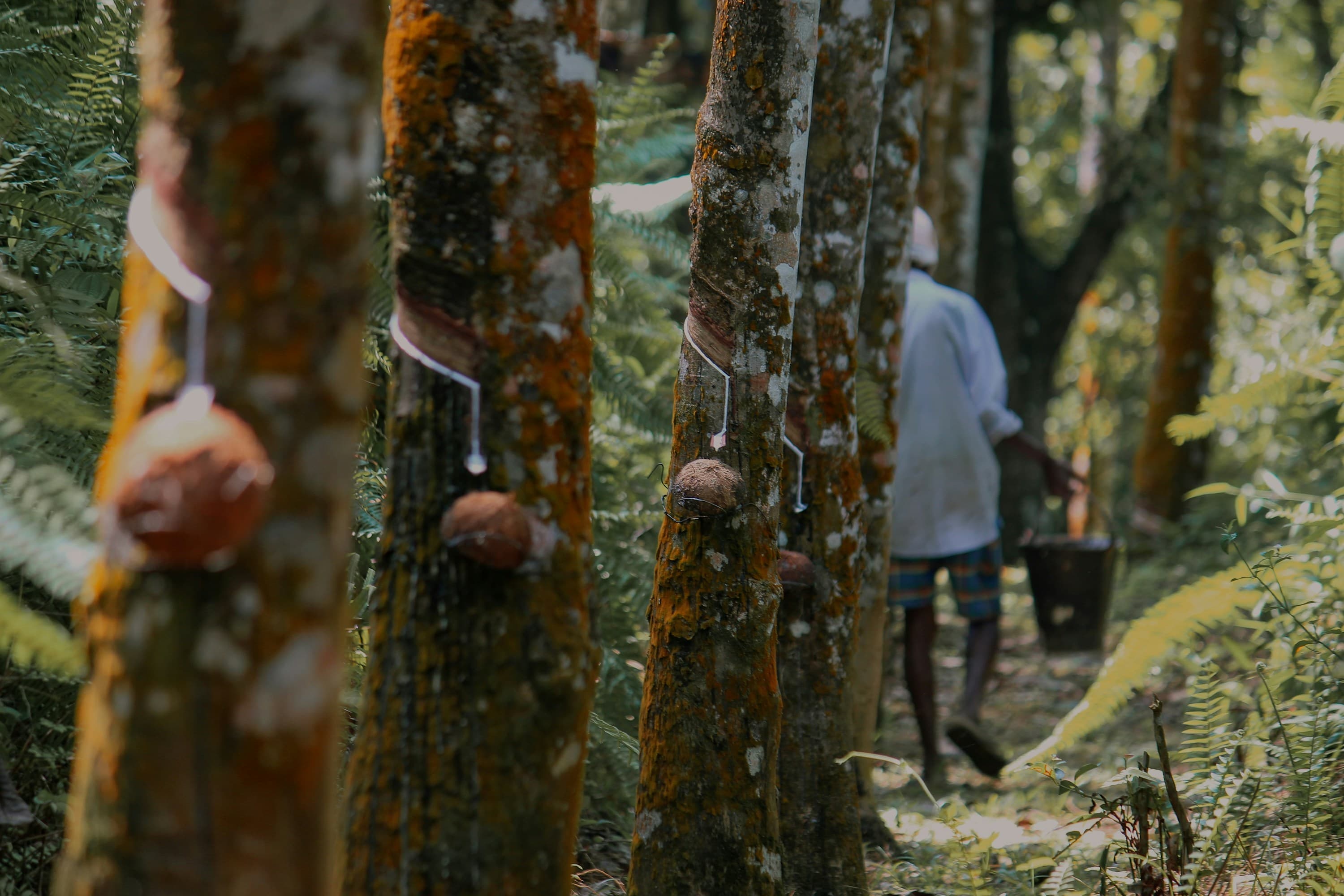
Restore biodiversity through rubber cultivation
 Michelin
 CEBDS
CEBDSSummary
Long-term restoration initiative integrating sustainable rubber cultivation with biodiversity protection, community partnerships, and scientific research.
Context
Sociedade Michelin de Participações Industria e Comércio Ltda is a Brazilian company based in Rio de Janeiro, primarily engaged in the tire manufacturing industry, it manufactures and markets tires for various vehicles, including cars, motorcycles, and trucks.
The adopting company operates in regions where natural rubber production intersects with areas of high ecological value. The main decarbonization challenges include land degradation, biodiversity loss, and the need to balance raw material production with environmental stewardship. To address these challenges, the company developed an integrated strategy combining forest conservation, sustainable cultivation, and community engagement to preserve ecosystems while maintaining supply resilience.
Location: Brazil
Solution
The initiative consists of establishing and managing a 3,950-hectare ecological reserve designed to demonstrate sustainable natural rubber cultivation aligned with biodiversity restoration. The approach integrates production and conservation in complementary geographic areas.
Activities are structured into six programs:
Protection of remaining forest areas
Restoration of degraded land
Research conducted with national and international academic partners
Environmental education for local communities and stakeholders
Female leadership programs
Ecotourism to promote awareness
The initiative also connects fragmented ecosystems through vegetation corridors and mobilizes local partnerships to restore degraded areas.
Impact
Sustainability Impact
Climate
The initiative indirectly contributes to reducing Scope 3 emissions (Category 1: Purchased Goods and Services; Category 6: Business Travel; and as an enabler of land-use–related emissions reductions). The restoration of 310 hectares with native species and the protection of 3,950 hectares help increase carbon sequestration potential. While specific GHG reductions are not quantified, the preservation and recovery of native forest provide long-term enabling climate benefits.
Nature
The initiative protects Atlantic Forest ecosystems containing 2,500 recorded species, including 39 newly identified by science. Restoration activities include planting over 114,000 trees from 348 native species and recovering 310 hectares of degraded land. Wildlife corridors reconnect fragmented habitats, strengthening ecological resilience and enhancing regional biodiversity.
Social
Programs in environmental education, women’s leadership, and ecotourism strengthen community engagement and create opportunities for local residents. Knowledge-sharing initiatives increase environmental awareness, support livelihoods, and promote sustainable land management practices.
Business Impact
Benefits
Strengthened supply chain resilience for natural rubber
Reduced long-term land-use risks
Improved relationships with local communities
Enhanced risk management around biodiversity and climate impacts
Support for sustainability reporting and global regulatory compliance
Increased scientific knowledge supporting operational decisions
Costs
Costs include land management, restoration activities, research partnerships, community programs, and infrastructure required for conservation. Costs vary based on forest conditions, restoration intensity, and ongoing monitoring needs. Long-term partnerships and phased restoration planning help reduce operating expenses while maximizing ecological benefits.
Implementation
Typical Business Profile
Most relevant for companies that:
Operate in natural resource–based sectors
Depend on land-intensive supply chains
Work in biodiversity hotspots
Have medium to advanced sustainability maturity
Seek nature-positive models in tropical regions
Approach
Define conservation and production areas to balance economic and environmental goals
Establish or acquire land requiring conservation or restoration
Develop program pillars such as protection, restoration, research, education, and community engagement
Partner with scientific institutions to design research and monitoring programs
Implement restoration actions including native species planting and habitat connectivity measures
Engage local communities through education, leadership programs, and ecotourism
Monitor biodiversity indicators, forest recovery, and program outcomes
Share results internationally to support replication across regions
Stakeholders Involved
Project Leads: Environmental management and sustainability teams
Internal Functions: Operations, procurement, corporate social responsibility
Main Providers: Research institutions, nursery suppliers, environmental consultants
Other Stakeholders: Local communities, NGOs, universities, ecotourism partners
Key Parameters to Consider
The approach is a mature, long-term conservation practice
Implementation spans several years, with ongoing monitoring
Forest restoration can take decades to fully mature
Requires ecological expertise and land availability
Influenced by local environmental regulations
Opportunities for funding through conservation incentives or environmental programs
Implementation and Operations Tips
Early partnership building with scientific bodies ensures methodological credibility
Phased restoration lowers upfront cost and operational complexity
Community engagement is critical to long-term success
Continuous biodiversity monitoring helps optimize restoration strategies
Clear communication of results supports internal buy-in and global replication