Integrate climate and nature into business strategy
 AXIA Energia
 CEBDS
CEBDS总结
An integrated strategy that embeds net-zero, nature and climate resilience into governance, investment, risk management and operations.
Key resources
Context
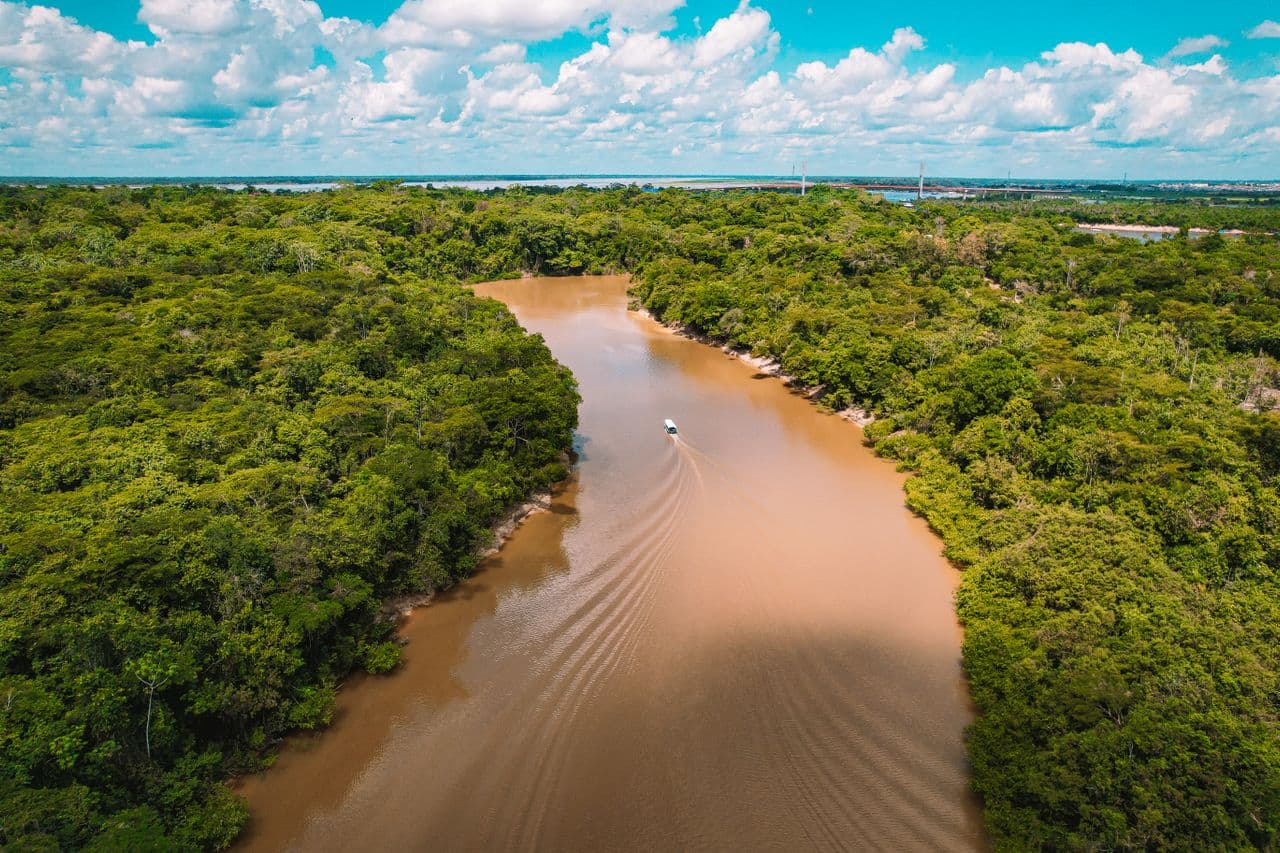
AXIA Energia is a Brazilian electricity-generation and transmission company with a 100% renewable portfolio and assets across five Brazilian biomes (Amazon, Cerrado, Atlantic Forest, Caatinga and Pampa) (1). The company's assets (hydroelectric plants, wind farms and transmission lines) encompass terrestrial and aquatic ecosystems of high biodiversity relevance resulting in varying levels of interaction with nature and exposure to climate risks.
The company needed a structured approach to identify, prioritize and manage nature- and climate-related impacts, dependencies, risks, and opportunities into investment and operational decisions.
Location of the initiative: Brazil
Solution
The company combined its Climate Transition Plan and Nature Action Plan into an integrated management approach covering governance, risk assessment, asset prioritization, investment, operational and commercial decisions (1)(2). The approach uses emissions inventories, climate scenarios and nature-related location, impact and dependency assessments to identify priority assets and define mitigation, adaptation, restoration and value-chain actions.
The approach supports the company's stated targets and portfolio commitments:
Net Zero by 2030,
No Net Loss by 2040,
Nature Positive by 2050,
Maintaining a 100% renewable portfolio,
Progressive supplier decarbonization (1)(2).
Impact
Sustainability Impact
Climate
In 2023, the company made a commitment to be Net Zero by 2030. The Net Zero Target covers Scope 1, 2 and 3 emissions. Scope 1 actions address remaining fuel use, fugitive sulfur hexafluoride and other operational emissions. Scope 2 actions include renewable electricity and renewable energy certificates. Scope 3 actions include supplier engagement and full reporting of material Scope 3 categories.
Between 2024 and 2025, the company reduced absolute total emissions by 77.5%, calculated across operational control assets (3).
The company assessed physical climate risks for generation and transmission assets, considering IPCC scenarios across different time horizons. For hydroelectric plants, the analysis quantified risks related to meteorological drought and flooding across all basins of the company's operational assets (1). Adaptation measures were developed for 14 priority hydropower plants, representing 76% of corporate installed capacity. Adaptation measures were also defined for transmission lines and substations (1).
Nature
The company applied the Taskforce on Nature-related Financial Disclosures (TNFD) considering LEAP approach (Locate, Evaluate, Assess and Prepare) for 100% of its generation and transmission assets, integrating climate and social variables into these analyses. The assessment structured the company's interactions with nature by identifying the most relevant territories and assets, assessing impacts and dependencies, translating findings into risks and opportunities, and guiding strategic responses, metrics and targets (1).
The assessment identified interfaces with ecologically sensitive areas in more than 98% of assets assessed and prioritized assets with the highest impact materiality, particularly hydroelectric generation (1). Additionally, it mapped 80 positive biodiversity actions, including 23 direct voluntary actions and 57 support and compliance actions. The Nature Action Plan contains 31 targets and 76 actions intended to support the pathway toward no net loss by 2040 and nature positive by 2050, linking restoration, conservation, ecosystem management, metrics and targets to the business strategy (1).
The integrated approach also addresses business dependencies on water availability, flow regulation, climate regulation, and ecosystem integrity. Restoration and nature-based adaptation measures can support ecosystem outcomes and asset resilience.
Social
The company's Nature Action Plan includes an Engagement pillar comprising of one target and eleven actions aimed at promoting a territorial approach that contributes to climate and nature resilience across the regions where the company operates. The company considers the mapping of territorial vocations and the identification of multiple land-use opportunities that foster both conservation and local development when designing social investment projects.
In addition, the company's Climate Adaptation Plans include a social pillar featuring measures designed to strengthen relationships and communication with communities surrounding the company's assets, thereby reducing the risk of conflicts and potential litigation related to climate-related issues.
Business Impact
Benefits
Identification and prioritization of assets exposed to climate- and nature-related risks.
Definition of specific measures for climate adaptation, infrastructure resilience, operational predictability, energy security and business continuity.
Provision of climate, biodiversity and risk-scenario information for capital expenditure, operating expenditure, project design, maintenance and asset-modernization decisions.
Valuation of dependencies, risks, and opportunities.
Understanding the company's biodiversity footprint.
Definition of engagement strategies with regulatory bodies, investors and other stakeholders.
Stronger value-chain resilience through supplier assessment, capacity building and decarbonization pathways.
Creation of a basis to access low-carbon markets, sustainable finance, environmental services and potential carbon-market opportunities.
Costs
Resource requirements include renewable infrastructure, asset modernization, emissions management, certificates and credits for residual emissions, reforestation, climate-risk modelling, spatial and biodiversity analysis, adaptation measures, supplier and stakeholder engagement, monitoring, governance, data systems and assurance.
Costs and trade-offs can be managed by prioritizing gross emissions reductions, integrating climate and nature criteria into existing investment and maintenance cycles, using internal carbon pricing and multicriteria analysis, and directing resources toward material risks, assets, territories and supplier categories.
Impact Beyond Sustainability And Business
Co-benefits
Stronger cross-functional coordination among sustainability, risk, finance, procurement, engineering, environmental and operational teams.
Potential watershed, biodiversity and community benefits from restoration, reforestation and nature-based adaptation.
More consistent and transparent information for regulators, investors and other stakeholders.
Potential Side-effects
Renewable generation and transmission expansion can create biodiversity, land-use and community impacts requiring location-specific assessment, mitigation, and engagement with traditional, riverside and local communities.
Implementation
Typical Business Profile
The initiative is most relevant to electric utilities, power generators, transmission companies and other infrastructure-intensive businesses with material emissions, geographically dispersed assets, dependencies on water and ecosystem services, operations in ecologically sensitive areas and exposure to physical climate risks. It is suited to companies progressing toward science-based targets, net zero, climate-resilient operations, TNFD and IFRS-aligned reporting and nature-positive pathways.
Approach
Establish integrated governance and ambition: Define board oversight, executive accountability, climate and nature objectives, asset coverage and time horizons.
Compile decision-useful data: Consolidate greenhouse gas inventories, asset data, environmental information, biodiversity and water-footprint data, and monitoring arrangements.
Set (science-based) climate targets and nature milestones: Link near- and long-term targets to strategic and investment planning.
Locate interfaces with nature: Screen assets and activities and map overlap and proximity to ecologically sensitive areas.
Evaluate impacts and dependencies: Assess operational pressures, ecosystem-service dependencies and biodiversity footprint using asset data, spatial qualifiers, specialist input and field validation.
Assess integrated risks and opportunities: Evaluate climate and nature physical and transition risks across scenarios and time horizons.
Define mitigation and adaptation measures into a combined action plan: Bring together portfolio transition, emissions reduction, value-chain action, ecosystem restoration, nature-based solutions and asset adaptation.
Integrate criteria into decisions: Apply climate- and nature-related screening criteria and approved requirements for new investments, capital allocation, and operational resilience.
Engage the value chain: Implement a Supplier Engagement Plan to prioritize and guide actions that reduce climate- and nature-related risks and impacts, increase supplier maturity, and strengthen value chain resilience.
Engage the affected stakeholders: Identify priority territories and affected stakeholder groups, establish territory-specific engagement plans, document concerns and agreed actions, and incorporate relevant findings into climate-adaptation, nature-restoration and operational decisions.
Monitor, disclose and improve management: Implement an integrated management and reporting framework to monitor the delivery of climate and nature commitments through defined governance, budgets, responsibilities, indicators, and data governance processes.
Stakeholders Involved
Project Leads: Climate and Nature Area within Sustainability Department coordinated the process, defined the strategic direction, consolidated technical analyses, and ensured alignment with the company's long-term climate, biodiversity and resilience objectives.
Company functions:
Sustainability Committee and Executive Leadership: Provided strategic oversight, validated priorities, targets, and action plans, and approved the integration of climate- and nature-related considerations into corporate governance and decision-making processes.
Corporate Risk Management: collaborate in the identification, assessment, and integration of climate- and nature-related risks and opportunities into the company's enterprise risk management framework, supporting the evaluation of physical and transition risks across different time horizons and scenarios.
Environmental Management, Environmental Licensing, and Geospatial Analysis: Provided operational and technical expertise, including environmental performance data, biodiversity and water-related information, asset-level assessments, and spatial analyses used to identify sensitive areas, dependencies, impacts, and opportunities.
Supplier Management: Provided supplier information and supported the development of engagement strategies for critical suppliers by incorporating climate and biodiversity considerations into procurement, supplier assessment, and value chain resilience initiatives.
Regulatory, Operational, New Projects, and Insurance functions: Contributed sector-specific knowledge, ensuring that climate and nature considerations were embedded into business planning, project development, operational resilience, regulatory compliance, and risk transfer mechanisms.
Main providers:
Technical specialists from multiple business areas: Supplied operational data, validated assumptions, reviewed findings, and supported the identification of practical actions and implementation priorities.
External consultants: Provided methodological expertise, analytical support, scenario assessments, and alignment with leading frameworks and standards, including TNFD, climate risk, biodiversity, and nature-positive approaches.
Key Parameters To Consider
Initiative maturity: requires established greenhouse gas inventories, environmental assessments, climate risk analysis and strategic targets.
Lifetime: the management approach is intended to be maintained and updated rather than treated as a one-off project.
Technical prerequisites: verified emissions data, asset and environmental data, spatial analysis, climate and nature methodologies and monitoring systems.
Geographical relevance: location-specific analysis must reflect biome, watershed, ecosystem sensitivity, species, climate hazard, asset type and operational characteristics.
Implementation And Operations Tips
Anchor climate and nature in existing governance, enterprise risk management, expansion and capital-allocation processes.
Use materiality to distinguish decision-useful information from large volumes of environmental and operational data.
Prioritize assets using location-specific exposure, impact and dependency information, especially in megadiverse geographies.
Adopt specific, measurable, achievable, relevant and time-bound targets (SMART targets) and define responsibilities, budgets, data governance and monitoring arrangements.
Incorporate climate and nature objectives into supplier engagement initiatives.
Review the strategy regularly and progressively improve value-chain coverage and nature-related financial valuation.