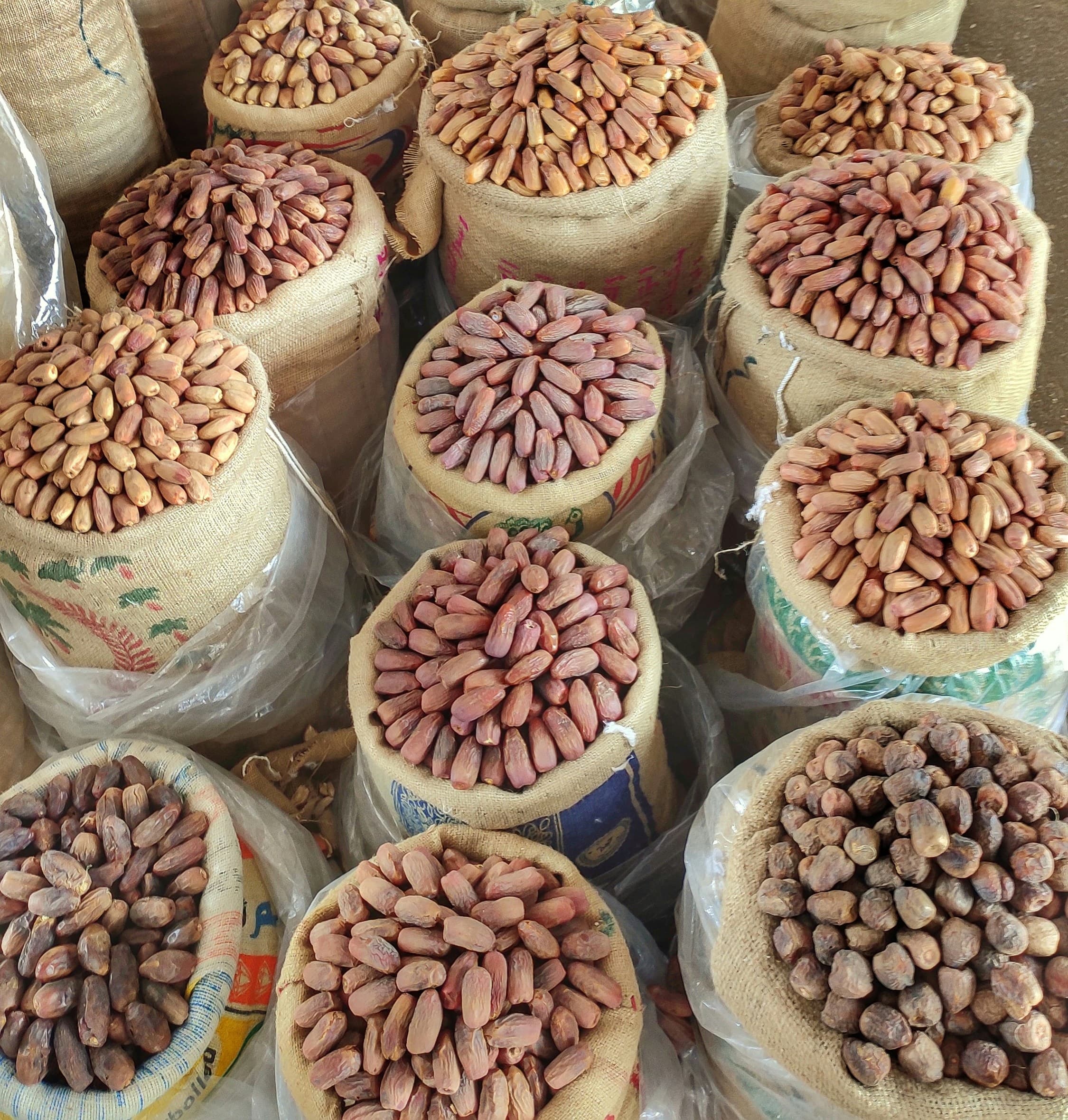
Structure the extractive chain of Amazonian nuts
 ZEG Florestal
 CEBDS
CEBDS总结
Development of a structured Amazon nut value chain that integrates forest conservation, fair extractive labor, and bioeconomic productivity.
Context
Zeg Florestal is a Brazilian company focused on decarbonization solutions and conservation efforts. Established on May 16, 2023, it operates under the Zero Emission Goal initiative, which aims to support companies in their journey toward Net Zero emissions.
The initiative takes place in Roraima, where local regulations allow the conversion of up to 50% of land into rural properties. The company faces the challenge of conserving standing forests while enabling economic opportunities for local extractive communities. To address this, the company developed a strategy to structure a sustainable Amazon nut supply chain that supports forest conservation, strengthens local livelihoods, and fosters a bioeconomic model aligned with long-term decarbonization goals.
Location of the initiative: Brazil
Solution
The company implemented a forest conservation and Amazon nut value chain initiative at Vale Verde Farm. The approach integrates:
Formation of a collectors’ association to ensure fair governance and dignified extractive labor.
Construction of forest-based infrastructure for collection, lodging, and transshipment.
Partnerships with technical and research institutions to improve logistics and collection efficiency.
Use of ergonomic tools, traceability systems, and geotechnologies to enhance quality and transparency.
This structure supports responsible extraction, higher-quality production, and premium-aligned certification pathways.
Impact
Sustainability Impact
Climate
The initiative contributes to emissions reduction by maintaining standing forests and preventing land conversion (Scope 3, Category 1: Purchased Goods and Services; Category 3: Fuel- and Energy-Related Activities; and Category 15: Investments). The conservation component avoids deforestation-related emissions and enables long-term carbon storage in native forest ecosystems.
Nature
By preserving native Amazonian vegetation and supporting non-timber forest product extraction, the initiative helps maintain biodiversity, protect soil and water quality, and reduce pressures associated with land-use change.
Social
The initiative aims to mobilize approximately 50 collectors and create up to 10 direct jobs. It supports dignified labor conditions, promotes fair governance through an association model, and targets a 20% increase in collector income compared to historical averages.
Business Impact
Benefits
The structured value chain enhances product quality, enables traceability, and supports potential certification pathways (such as Fairtrade and Organic). The model strengthens supply reliability, mitigates reputational risks, and supports compliance requirements linked to forest-positive sourcing.
Costs
Costs include:
Investment in forest collection infrastructure
Training and capacity-building for collectors
Development of governance and traceability systems Costs are influenced by geographic accessibility, forest conditions, and seasonal availability of nuts. Partnering with technical institutions reduces development and operational costs over time.
Implementation
Typical Business Profile
Most relevant for companies operating in forest regions, bioeconomy value chains, or nature-based solutions; organizations working with community-based extraction; and businesses seeking to integrate conservation and income generation.
Approach
Assess the forest area and define conservation and extractive zones.
Facilitate the formation of a collectors’ association with clear governance rules.
Develop collection, lodging, and transshipment infrastructure.
Provide training on quality, safety, and traceability.
Implement ergonomic tools and geotechnology-supported collection.
Establish partnerships for technical support and logistic optimization.
Prepare for certification pathways and continuous quality improvement.
Stakeholders Involved
Project Leads: Internal sustainability and operations teams
Company Functions: Procurement, operations, community engagement
Main Providers: Technical partners supplying tools and traceability systems
Other Stakeholders: Research institutions (e.g., EMBRAPA), logistics partners, collector communities
Key Parameters to Consider
Technology maturity: mostly established tools with some emerging geotechnologies
Implementation timeline: association and infrastructure by 2026; processing beginning in 2027
Training requirements for collectors
Forest accessibility and seasonal production cycles
Certification prerequisites
Local regulatory framework for land use and community associations
Implementation and Operations Tips
Engage communities early to ensure governance legitimacy.
Provide continuous training to maintain quality and safety.
Use transparent communication to strengthen trust among collectors.
Pilot traceability tools before scaling.
Plan logistics around seasonal availability to avoid bottlenecks.