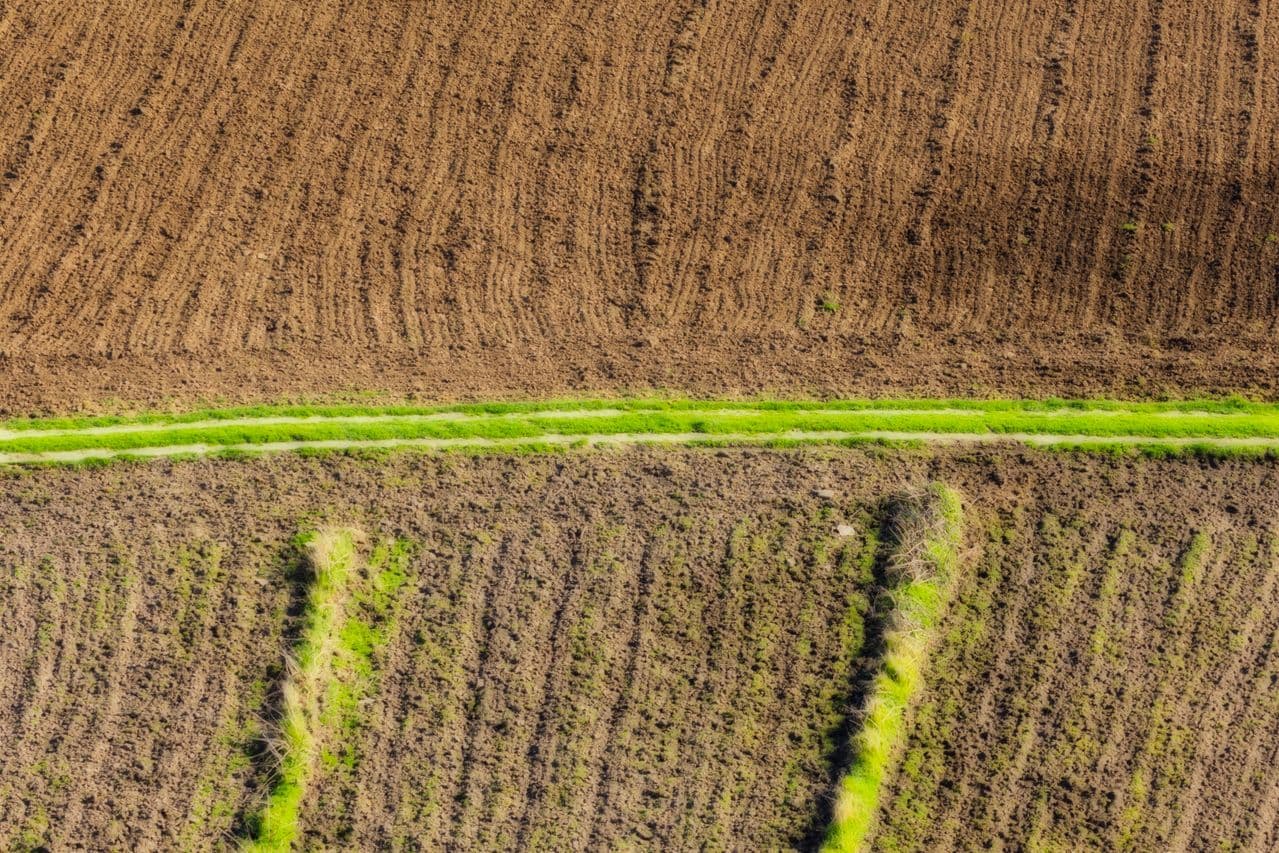
Build climate resilience through regenerative agriculture
 Anadolu Efes Biracılık ve Malt Sanayii A.Ş.
 SKD Türkiye
总结
Regenerative practices, farmer support and soil measurement are built into barley sourcing, scaling from a 12.5 ha pilot towards full regenerative supply by 2035.
Context
Anadolu Efes Biracılık ve Malt Sanayii A.Ş. is a brewing and malting company. Local sourcing plays a significant role in its value chain, with 92% of the company’s procurement sourced locally. In Türkiye, Anadolu Efes has sourced locally grown malting barley through long-standing relationships with farmers since 1982. This relationship is supported by contract-based purchasing, providing participating growers with greater market certainty and purchasing predictability. Beyond supporting local producers and regional economic value creation, this established sourcing model provides a strong foundation for building a more resilient agricultural value chain.
As climate-related pressures intensify, strengthening the resilience of this local barley supply chain is increasingly important for the long-term availability of a strategic agricultural raw material. Soil degradation and declining soil water-holding capacity, together with drought and rainfall variability, can affect the yield, quality and availability of malting barley. These pressures can therefore translate into sourcing volatility and potential implications for the continuity and resilience of barley supply. In the growing regions, conventional practices did not consistently measure or rebuild soil function, limiting visibility over the long-term productive capacity of the land underpinning barley supply.
For Anadolu Efes, soil health is therefore not only an agronomic or environmental issue, but an important consideration in managing climate-related and agricultural supply risks. The company needed a model that could measure changes in soil function and connect those outcomes to its existing grower and contractual purchasing relationships in Türkiye. Regenerative agriculture is consequently positioned as a practical climate adaptation response: one that can reduce vulnerability across the agricultural supply base, strengthen the long-term resilience of barley sourcing and support the continuity of a strategically important local raw-material supply chain.
Location of the initiative: Adıyaman, Şanlıurfa and Konya, Türkiye, expanding to six provinces in 2026
Solution
Launched in 2024 with Anatolian Grasslands, a social enterprise in Türkiye focused on holistic management and regenerative agriculture, the programme builds on more than four decades of Anadolu Efes’s agricultural know-how and long-standing relationships with local growers. Since 1982, the company has developed its own agricultural R&D capabilities and today has 17 registered barley varieties, including drought-resistant varieties. These capabilities are embedded in a local, contract-based sourcing model, providing farmers with greater market certainty while contributing to local value creation and creating a strong foundation for the transition to regenerative agriculture.
The programme adds a new layer to this established sourcing model by integrating regenerative agriculture directly into the barley supply chain. Rather than operating as a stand-alone agronomy initiative, it combines long-term grower and purchasing relationships, agricultural R&D, farmer training, field-level technical support, locally adapted regenerative practices and outcome-based measurement. Together, these elements create an integrated, sourcing-led transition model designed to strengthen the resilience of barley production and supply under changing climate conditions.
In participating fields, regenerative practices are adapted to local soil and climate conditions and supported by baseline and post-harvest measurement. Practices include reduced tillage and observation-based crop protection, alongside soil and crop management interventions designed to improve ecosystem functions. The indicators monitored include soil organic matter, soil microbiology, water-holding capacity, soil carbon, biodiversity and ecosystem vitality, enabling changes in soil function and resilience to be monitored over time. This measurement approach connects field-level ecological outcomes with the company’s existing grower and purchasing relationships rather than treating them as a separate agronomic issue.
Following the 2025 pilot across Adıyaman, Şanlıurfa and Konya, the programme is scaling from 12.5 hectares to approximately 500 hectares across six provinces in 2026, an approximately 40-fold expansion in just one year. The long-term ambition is to progressively embed regenerative agriculture across Anadolu Efes’s barley supply base in Türkiye and source all barley through regenerative methods by 2035.
The model also creates a pathway beyond barley. Barley is grown as part of a crop rotation system, with participating farmers also cultivating crops such as lentils, chickpeas, cotton and pumpkin seed. Crop rotation is an important component of the regenerative approach, helping diversify the production system and support soil health and ecosystem function. Engaging additional buyers for these rotational crops could strengthen the economic viability of the wider regenerative system, extend the model beyond a single commodity and create a pathway toward landscape-level regenerative transformation.
Figure 1: The regenerative transition model: practice change, soil measurement and grower support, with pilot results and the expansion roadmap

Impact
Sustainability Impact
Climate
The initiative addresses climate change across Anadolu Efes’s upstream agricultural value chain, where malting barley represents a key agricultural input. By integrating regenerative agriculture into its barley sourcing model, the programme aims to reduce vulnerability to the impacts of climate change, strengthen the resilience of the agricultural supply base and create the potential to reduce emissions associated with barley sourcing, contributing to Anadolu Efes’s broader Scope 3 decarbonisation efforts.
A key climate opportunity of the programme lies in its potential to increase carbon stored in agricultural soils. Through regenerative practices that support soil health, the programme creates the potential for carbon to be sequestered and retained in the soil. Field-level soil carbon is measured through comprehensive soil analyses conducted before application and after harvest, alongside other soil-health indicators. Based on the company’s measurements, pilot fields sequestered approximately 6.7 tonnes of carbon per hectare during the 2025 season.
As the programme expands across a larger share of the barley supply base, soil carbon sequestration and changes in agricultural practices create an opportunity to address emissions within Anadolu Efes’s upstream value chain and potentially contribute to reducing agricultural Scope 3 emissions under Category 1: Purchased goods and services.
Reducing vulnerability to the impacts of climate change is another important dimension of the model. Improved soil health and water-holding capacity can help reduce vulnerability to drought and rainfall variability, supporting the productive capacity of the soils on which long-term barley sourcing depends. Combined with technical support and established purchasing relationships, the model can also help reduce some of the production and transition risks faced by participating farmers. In this way, the programme creates the potential to store more carbon in agricultural soils and reduce the climate footprint of sourcing, while strengthening the resilience of a strategically important raw-material supply chain against the impacts of climate change.
According to the impact assessment of the programme partner, Anatolian Grasslands, net carbon removal of approximately 18 tCO²e per hectare was estimated after accounting for emissions associated with agricultural practices.
Nature
Comparing pre-application baselines with post-harvest measurements during the 2025 season, pilot fields recorded improvements across several soil health indicators. Results varied across measured fields, with soil organic matter increasing by 11–26%, beneficial bacteria and fungi counts by 18–23%, and water-holding capacity by 7–13%.
These outcomes are particularly relevant to the programme’s regenerative approach because they provide measurable evidence of changes in the underlying functions of agricultural soils. Improvements in soil organic matter, soil microbiology and water-holding capacity can contribute to healthier and more resilient soils, supporting the long-term productive capacity of the land on which barley production depends.
Biodiversity and ecosystem vitality indicators are tracked alongside these soil measurements, allowing performance to be assessed through changes in ecosystem function rather than through practice adoption alone. This outcome-based approach enables practices to be adapted to different soil and climatic conditions as the programme expands.
Social
Farmers are positioned not only as producers, but as partners in the transition to regenerative agriculture. Building on Anadolu Efes’s long-standing relationships with local growers and its contract-based sourcing model, the programme combines greater market certainty with financial incentives, farmer training, field-level technical support and direct engagement. This integrated support helps farmers participate in the transition while contributing to stronger local agricultural value chains.
Field observations, soil analyses, post-harvest assessments and farmer experience contribute to the programme’s implementation. Measurement results and practical learning are shared with participating farmers, connecting scientific measurement with field-level experience and strengthening knowledge and capacity around regenerative agriculture.
The programme also extends knowledge beyond participating farmers. Anadolu Efes developed a Regenerative Agriculture Guide to make practical knowledge and learnings on regenerative agriculture available to a wider community of producers. By making this resource openly accessible, the programme aims to lower knowledge barriers and support wider adoption of regenerative practices beyond its own barley supply chain.
Beyond farmers, the programme supports wider capacity building and ecosystem engagement. A circular economy ideathon brought together 30 young people from different disciplines to develop solutions to stubble burning, extending the programme’s regenerative approach and knowledge sharing to a new generation of potential agricultural and sustainability actors.
Business Impact
Benefits
The programme strengthens the long-term resilience of a strategically important agricultural raw-material supply chain by integrating regenerative agriculture directly into Anadolu Efes’s barley sourcing model. Improvements in soil health and water-holding capacity can help reduce the vulnerability of barley production to drought, rainfall variability and deteriorating soil conditions, supporting the productive capacity of the land on which long-term barley sourcing depends. In this way, the programme links measurable environmental outcomes with agricultural supply-risk management and long-term sourcing resilience.
A key business advantage of the model is that it builds on an established sourcing infrastructure rather than creating a separate delivery channel. Anadolu Efes’s long-standing relationships with local growers, contract-based purchasing model, agricultural know-how and field-level capabilities provide an existing platform through which regenerative agriculture can be progressively integrated into commercial sourcing. Farmer training, technical support, financial incentives and outcome-based measurement further support this transition.
The programme’s expansion from 12.5 hectares in 2025 to approximately 500 hectares across six provinces in 2026, an approximately 40-fold increase in one year, demonstrates its potential to scale through this existing sourcing model. The long-term ambition to source all barley through regenerative methods by 2035 provides a pathway for moving from a field-level pilot toward broader transformation of Anadolu Efes’s barley supply base in Türkiye.
The model also has the potential to create value beyond Anadolu Efes’s own barley supply chain. Because barley forms part of a wider crop rotation, participating farmers also produce crops such as lentils, chickpeas, cotton and pumpkin seed. Engaging additional buyers for these crops could help share the opportunities and costs of the regenerative transition across multiple value chains, strengthen the economic viability of the wider crop rotation and create a pathway from single-commodity intervention toward landscape-level regenerative transformation.
Costs
The model leverages existing assets: Anadolu Efes's agricultural supply network and grower relationships, combined with Anadolu Meraları's (Anatolian Grasslands) regenerative agriculture expertise, field implementation, monitoring and training capabilities. This reduces the need to build a separate delivery infrastructure and creates efficiencies as the programme scales.
The main cost drivers include baseline and post-season soil analysis, ongoing field monitoring, farmer training and technical assistance, and the costs associated with supporting farmers through the transition. Starting with a limited pilot enabled the programme to test practices and measurement approaches before expanding across a larger sourcing area.
Investment needs are identified as a risk, alongside regional climate differences and producer reservations. Costs are partially contained by starting with pilot areas in three provinces in 2025 and a 125-decares (12.5 ha) trial harvest before scaling, so the practices were tested on a limited area first. Delivery draws on a partner organisation for technical methodology, field application, measurement and training, and on the company's existing agricultural supply network, producer relationships and research and development (R&D) capacity rather than on new infrastructure.
As the model expands, engaging additional buyers around rotation crops could also create opportunities to distribute transition costs and value creation across multiple supply chains rather than placing them on a single commodity or buyer.
Impact Beyond Sustainability And Business
Co-benefits
Field-level measurement gives farmers evidence of changes in soil function that can inform future management decisions. Training, technical support and the Regenerative Agriculture Guide extend knowledge beyond individual pilot fields and contribute to wider capacity building within the agricultural ecosystem.
The written regeneration guide and the ideathon on stubble burning extend the practices beyond the immediate supply base.
Potential side-effects
The transition involves both environmental and economic uncertainty. Soil and climate conditions vary across production regions, meaning that practices and outcomes cannot be expected to perform uniformly. This requires navigating within a very complex landscape. Farmers may also express reservations about changing established practices.
These risks are addressed through locally adapted practices, field-level measurement, continuous technical support, farmer training and transparent sharing of results. As the programme develops, strengthening mechanisms that share transition risks between farmers, Anadolu Efes and potentially other value-chain actors will be important for sustained adoption and scaling.
Implementation
Typical Business Profile
The model is particularly relevant to food and beverage companies that source defined agricultural commodities through direct or contracted relationships with farmers, especially in regions exposed to soil degradation, drought and water stress.
Its core components - commercial sourcing relationships, farmer technical assistance, locally adapted regenerative practices and outcome-based field measurement - can be applied across different commodities and geographies. Where multiple crops are produced within the same rotation, collaboration between different buyers can further extend the approach from individual commodity supply chains towards landscape-level regeneration.
Approach
Establish the baseline: Conduct field-level assessments before implementation to understand soil condition, ecosystem function and relevant production risks.
Understand the sourcing system: Map participating farmers, production regions, crop rotations and existing purchasing relationships to identify both risks and opportunities for transition.
Design locally adapted transition plans: Select regenerative practices based on soil, climate, production system and farmer context rather than applying a uniform package of practices.
Provide technical and transition support: Combine farmer training with continuous field-level advisory and implementation support.
Implement and monitor: Apply regenerative practices and track relevant ecological and production indicators throughout the season.
Measure outcomes: Reassess soil and ecosystem indicators after harvest and compare results against the established baseline.
Learn and adapt with farmers: Share results with participating farmers and use their experience alongside measurement data to refine practices and programme design.
Scale through sourcing relationships: Expand the model through existing commercial relationships while exploring collaboration with additional buyers around rotation crops, creating a pathway from single-commodity intervention towards landscape-level regeneration.
Stakeholders Involved
Project leads: The programme is operationally led by Anadolu Efes’s agricultural technical teams, in collaboration with the Corporate Communications and Sustainability teams, with Anatolian Grasslands providing technical expertise on regenerative agriculture, field implementation and measurement. At governance level, Anadolu Efes has a Sustainability Committee reporting to the Board of Directors, where broader sustainability priorities and relevant programme developments may be discussed as part of the company’s sustainability agenda.
Company functions: Agricultural sourcing and supply chain business units, sustainability, producer training and research and development (R&D) functions work within an integrated structure: sourcing provides the grower relationships through which the programme is delivered, sustainability sets the measurement framework, R&D interprets the soil results, and the training function converts them into producer guidance.
Main providers: A specialist regenerative agriculture partner organisation supplies the technical methodology, carries out the field applications and measurement processes and delivers the training content, working with the company's agricultural teams on the pilot fields also building capacity within the company; its impact reporting is the basis for the sequestration and soil indicator ranges reported here.
Other: Barley producers host the trials on their own fields and shape the programme design through their field experience and needs, and supply chain partners and agricultural specialists also participate. Feedback is gathered through producer training, supplier meetings and direct field contact, and the measured results are shared back with participants so that the practices and the scaling approach are adjusted on that basis.
Key Parameters To Consider
The programme is designed as a sourcing-led, measurement-based transition model rather than a fixed package of agricultural practices. The practices are established agronomic techniques, but their effect is measured season by season against a field-level baseline. Its effectiveness depends on adapting interventions to local soil, climate and farming conditions while maintaining consistent outcome measurement.
The programme was launched in 2024, with a first pilot production season in 2025 across three provinces, expansion to six provinces and approximately 40 times the area in 2026, and a stated target of sourcing all barley through regenerative methods by 2035.
Key prerequisites include direct purchasing relationships with growers; soil analysis and measurement capability; and technical agronomic expertise. Results depend on regional climate and soil variation, and on producer willingness and capacity to invest. Continuity is supported by the company's existing agricultural supply network, training and financial support mechanisms, and R&D capacity.
Where farmers grow multiple crops within their rotations, identifying additional buyers can create an important enabling condition for broader transformation by aligning regenerative practices with viable markets across the whole production system.
Implementation And Operations Tips
Three risks were identified at the outset: regional climate differences; producer reservations about changing practice; and the investment required. These were managed through data-based sharing of results, producer training and multi-stakeholder collaboration.
Farmer adoption depends not only on demonstrating ecological results but also on creating a viable transition pathway. Technical assistance, purchasing relationships and transparent sharing of field-level results help reduce uncertainty and build farmer confidence. Because soil health, water efficiency and carbon sequestration are measured on the producer's own field and compared before and after within the same season, the effect can be demonstrated rather than asserted.
Start with measurement, but do not treat measurement as the intervention itself. Baseline data should inform locally adapted practices, while repeated measurement should be used to understand outcomes and refine management over time.
For companies seeking to scale the model, the key opportunity is to move beyond isolated pilot fields and integrate regenerative agriculture into agricultural sourcing strategy. Mapping crop rotations and engaging other buyers can further expand the intervention from a single commodity towards a more systemic, landscape-level model.