Combine solar power and data to decarbonise manufacturing
 Saya Holding
 SKD Türkiye
总结
On-site solar generation is combined with an artificial intelligence layer that manages process and carbon data on a single architecture.
Context
Submitted through the COP31 Sustainable Transformation Awards · SKD Türkiye (WBCSD Global Network Partner)
The company is a pharmaceutical manufacturer within a holding group, with more than 1,000 employees.
In pharmaceutical production, process stability, operational efficiency and resource use are decisive for both the cost structure and the environmental footprint. The sector is exposed to transition risk through carbon costs, regulation and volatility in energy prices, and to physical risk through uncertainty in energy supply and raw material sourcing.
The company chose to address energy and production infrastructure through a single programme, run under the name Green Transformation 360°, rather than as separate efficiency projects, and to advance that transformation on a basis validated against science-based targets.
The reasoning behind the single-programme approach is that the levers interact. Solar generation changes the carbon intensity of supply; efficiency work changes how much is drawn; process management change when and how energy is consumed; and scrap reduction changes how much primary raw material has to be bought in the first place. Managed separately, each one hides the effect of the others.
The programme is integrated into short, medium and long-term investment plans and into the company's transition plan. Capital expenditure for the energy transformation has been budgeted, and energy cost and carbon pricing scenarios linked to climate risk have been modelled, which connects the transition plan to financial planning rather than leaving it as an environmental commitment.
Performance is reviewed under a governance structure set by the Sustainability Committee, which assesses indicators, risks and improvement actions on a periodic cycle.
Location of the initiative: Çerkezköy, Türkiye (Humanis Sağlık A.Ş. production site)
Solution
The programme has two layers that are designed to reinforce each other.
The first layer is renewable generation. Solar power plant investment of USD 5.3 million has been made at production sites, changing the structure of energy supply rather than only its efficiency. Diversifying the consumption profile in this way lowers the carbon intensity of supply and produces an energy management model that is more resilient to climate-related risk.
The second layer is an artificial intelligence supported optimisation model. Its purpose is to manage process and resource questions from a single data architecture instead of through separate systems, so that operational, environmental and production data sit on one platform.
That integration turns data into decisions. Reducing scrap and resource consumption in processes supports circularity and helps identify the optimal conditions for operating with lower energy consumption. Using the same data set for both operational reporting and carbon accounting improves the traceability of emissions management.
Scrap reduction is treated as a supply chain measure as much as an environmental one. Lowering the requirement for primary raw material supports circularity, resource efficiency and resilience to raw material supply disruption at the same time, and strengthens the company's position in scenarios of rising energy cost or constrained raw material supply.
The programme is being scaled across the company on the basis of outputs from pilot applications, with performance indicators, risks and improvement actions assessed periodically within the governance structure set by the Sustainability Committee.
The design is deliberately transferable. Nothing in the model depends on pharmaceutical process chemistry, so it applies to any production site that can instrument its lines and connect the resulting data to a single architecture.
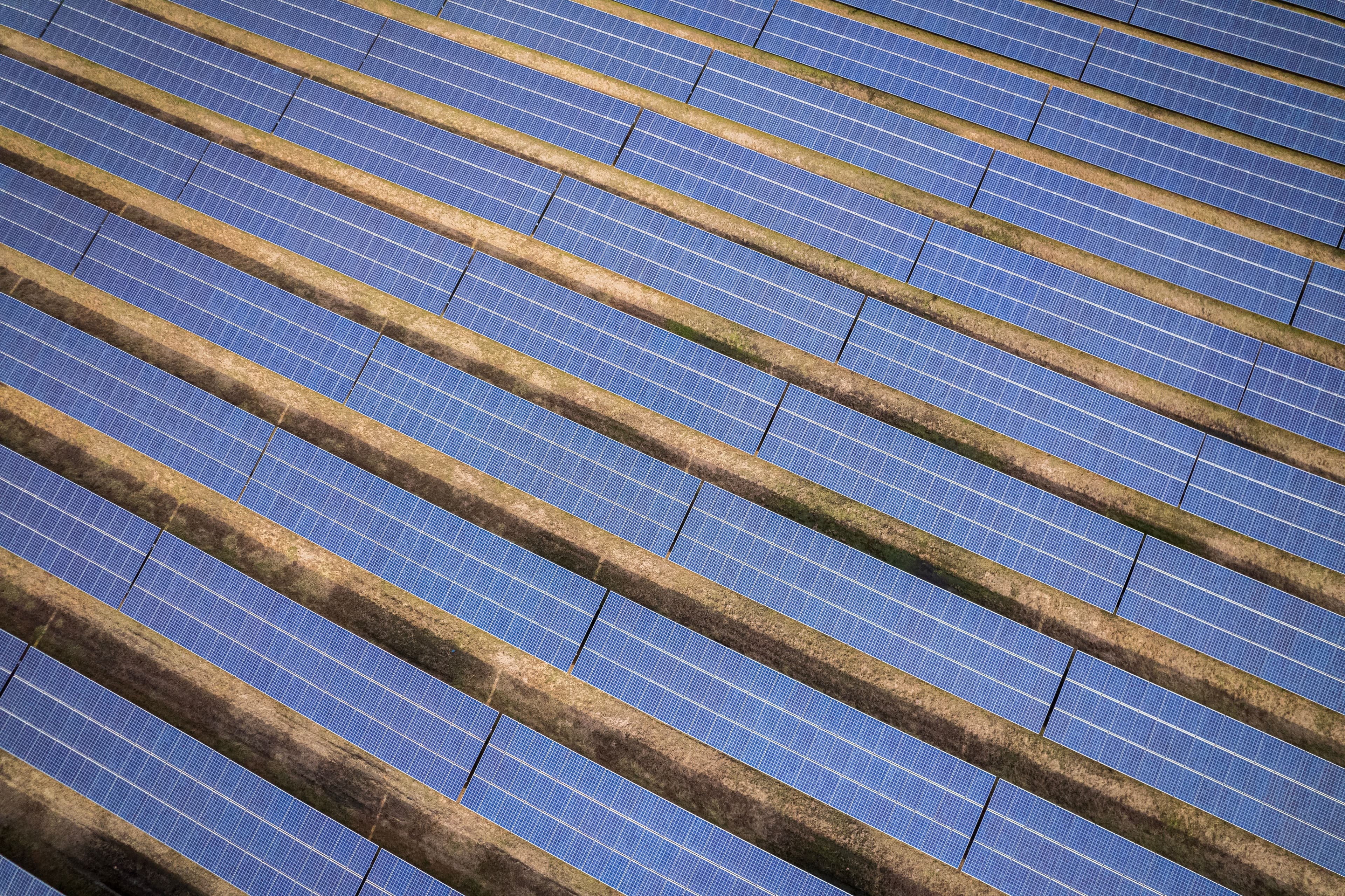
Figure 1: Artificial intelligence generated visualisation of the production site at Çerkezköy, with the rooftop and ground-mounted solar installations that supply generation equivalent to 69 per cent of annual electricity consumption

Impact
Sustainability Impact
Climate
The programme combines on-site solar generation with artificial intelligence driven operational optimisation, acting on the company's own operational emissions in two sequenced steps.
The solar phase is fully operational and delivering results. On-site solar generation reached 5.05 GWh in 2025. While the facility's total electricity demand increased by 8.3 per cent between 2023 and 2025, on-site solar generation more than doubled over the same period, rising from 2.52 GWh to 5.05 GWh. As a result, electricity drawn from the grid decreased in absolute terms despite the increase in demand. Solar generation equivalent to 69 per cent of total electricity consumption reduces dependence on purchased electricity and supports greater resilience to energy price movements and carbon pricing scenarios modelled as part of the transition plan. This was reported as significant progress towards the established target.
The artificial intelligence optimisation phase is currently under development. Once fully commissioned, it will bring process and resource data onto a single architecture, targeting a 35 per cent reduction in unplanned downtime, a 30 per cent cut in maintenance costs, a 10 per cent increase in overall equipment effectiveness, and a direct reduction in Scope 1 combustion emissions and overall power use.
The broader priority behind both phases is physical resource reduction. Reducing actual electricity and material consumption lowers ongoing International Renewable Energy Certificate (I-REC) procurement and input costs, limits exposure to grid price volatility and raw material supply risk, and reduces energy and material consumed per unit of production as the programme progresses towards its 42 per cent reduction target.
The programme is being implemented in phases to support a 42 per cent reduction in Scope 1 and Scope 2 emissions from the 2023 baseline. Certified I-RECs are used in market-based Scope 2 accounting, while the artificial intelligence driven optimisation applications currently under development aim to reduce actual energy consumption and operational emissions.
Scope 3 emissions are measured and tracked across the value chain; between 2023 and 2025 they rose by approximately 7 per cent. The artificial intelligence driven optimisation layer, which is expected to act on process efficiency and material use across the value chain, has not yet been commissioned, so no view is offered yet on its effect on this trajectory.
Two further indicators are not yet reportable. Baseline year studies for emission intensity, measured in tonnes of CO2 per MWh, and for energy consumption per unit of production, measured in kWh per box, are continuing, and scientific and realistic performance targets will be set once those measurements are complete. The company treats building a reliable data infrastructure as a success criterion in its own right, not only the results achieved.
Emissions management is conducted under the GHG Protocol across Scope 1, Scope 2 and Scope 3, and the reduction pathway is aligned with and validated against science-based targets. The programme also contributes to the national 2053 net zero objective.
Nature
Scrap reduction lowers the requirement for primary raw material, which reduces extraction and processing demand upstream of the site rather than managing waste after it has been created.
The scrap rate, together with energy and emission intensity indicators, will be monitored regularly once baseline year measurements are complete, so the circularity result is currently a designed feature of the model rather than a reported figure.
Renewable generation on site also reduces the local air quality burden associated with drawing the same volume of electricity from a carbon-intensive grid.
Social
Employees participate in decision-making through the Sustainability Committee and its working groups, and provide feedback through surveys, occupational health and safety notifications and team meetings.
The artificial intelligence supported optimisation model aims to enable more stable and predictable production processes by optimising process parameters through data-driven insights and reducing the need for routine manual operator intervention. In this context, the programme targets a 25 per cent reduction in manual operator interventions required during process operations, supporting greater process consistency and standardisation while strengthening operators’ data-driven decision-making and process management capabilities. This is a target set under the programme and not yet a reported result.
Capability development, digital transformation and the retention of corporate knowledge are treated as long-term value created for the workforce, since operating a data-driven production model requires different skills from a conventional maintenance and production routine.
Local communities are informed through sustainability reports and stakeholder communication, and environmental feedback is used to shape the contribution the site makes to low-carbon production and local quality of life.
Business Impact
Benefits
The realised benefit is reduced exposure to carbon and energy-related risks. Carbon risk exposure has fallen, while renewable generation has reduced exposure to purchased electricity and energy price volatility.
Solar generation equivalent to 69 per cent of total electricity consumption reduces exposure to purchased electricity and supports greater resilience to energy price movements and carbon pricing scenarios modelled as part of the transition plan.
Scrap reduction is expected to reduce primary raw material requirements, strengthening supply chain resilience against potential raw material supply disruptions.
The operational excellence targets attached to the optimisation model are a 35 per cent reduction in unplanned downtime rate and duration, a 50 per cent improvement in root cause analysis time, a 25 per cent reduction in manual operator interventions required during process operations, and a 10 per cent increase in overall equipment effectiveness (OEE). These are targets set for the model on commissioning, not results achieved to date.
Costs
The principal cost is capital. Solar plant investment of USD 5.3 million has been committed, and capital expenditure for the energy transformation is budgeted within short, medium and long-term investment plans.
The optimisation layer carries its own cost profile: technology providers for artificial intelligence, the data architecture that brings operational, environmental and production data onto one platform, and the internal capability to operate it.
Measurement itself is a cost that has to be paid before results can be claimed. Baseline year work for emission intensity and energy consumption per unit of production is still running, which means part of the investment is currently producing data rather than savings.
There is a sequencing dependency: the optimisation model delivers its stated benefits only once instrumentation and data quality are sufficient, so partial deployment produces partial benefit.
Costs are contained by budgeting the energy transformation inside existing investment planning rather than as a separate initiative, by scaling from pilot outputs instead of full deployment at once, and by using the same data set for production management, maintenance and carbon reporting rather than building separate systems for each.
Impact Beyond Sustainability And Business
Co-benefits
The same data architecture that supports emission management also improves production continuity, which means the environmental investment is defended by an operational business case rather than by a sustainability budget alone.
Long-term technology and sustainable financing partnerships developed with engineering, procurement and construction contractors, technology providers and financial institutions extend the company's access to capability beyond this programme.
Regional energy transformation benefits arise where local administrations support the solar investment through planning and permitting, since the generation capacity added serves the local grid context as well as the site.
Potential side-effects
A large part of the programme is still target rather than result. Overall equipment effectiveness, unplanned downtime, root cause analysis time and manual operator interventions are stated as expected outcomes on commissioning, and should be read as such.
The transition to an integrated data architecture increases the importance of effective controls for data quality, system continuity and cybersecurity. To manage these potential risks, the programme incorporates data validation and quality controls, access management, system continuity and backup mechanisms, as well as alternative operating methods for critical processes.
Self-generation equivalent to 69 per cent of consumption is an annual balance rather than continuous supply, so grid dependency remains for the periods when generation does not match demand.
Implementation
Typical Business Profile
The model is designed to be applicable across manufacturing sites in different sectors that operate continuous or batch production lines and have a science-based or equivalent emissions reduction commitment.
It is most relevant where several improvement levers, generation, efficiency, and material yield, are being pursued at once and are currently managed by separate teams with separate data.
Delivery engages production, maintenance, quality, sustainability and finance functions, and requires a governance body able to hold the indicators together, in this case a Sustainability Committee with a periodic review cycle.
Approach
Frame energy and production as one programme: Bring generation, efficiency, process and scrap under a single transformation plan, because managed separately each lever hides the effect of the others in the reported result.
Anchor the target externally before investing: Set the carbon reduction target on a science-based basis, in this case a 42 per cent reduction, so the investment case is measured against an external benchmark rather than an internal ambition.
Budget the transition inside financial planning: Place the capital expenditure for the energy transformation into short, medium and long-term investment plans and model energy cost and carbon pricing scenarios, so the transition plan is connected to financial decision-making.
Change the supply structure first: Invest in on-site solar generation, in this case USD 5.3 million, since altering the carbon intensity of supply produces a step change that efficiency work alone cannot deliver.
Build one data architecture, not several systems: Bring operational, environmental and production data onto a single platform so process and resource management are driven from the same data set and emissions become traceable.
Complete the baseline before setting the next targets: Run baseline year studies for emission intensity and energy consumption per unit of production, and treat a reliable data infrastructure as a success criterion in itself rather than an administrative step.
Scale from pilot outputs: Extend the model across the organisation on the basis of results from pilot applications, and assess indicators, risks and improvement actions periodically under the Sustainability Committee's governance structure.
Track operational and environmental indicators together: Monitor emission reduction, energy consumption, raw material efficiency, scrap, overall equipment effectiveness and unplanned downtime through annual emission calculations, science-based target tracking, management-level indicators and sustainability reporting.
Stakeholders Involved
Project leads: The Sustainability Committee sets the governance structure and reviews performance indicators, risks and improvement actions on a periodic cycle. The optimisation project is handled as part of that corporate framework rather than as a standalone technology initiative, so production performance, energy consumption, scrap, and process efficiency indicators are monitored in connection with sustainability targets. Continuity is secured through periodic performance reviews under the committee, energy management and efficiency monitoring systems, and climate risk scenarios integrated into corporate risk management.
Company functions: Production, maintenance, quality, sustainability and finance teams work to the same indicator set. Employees participate in decision-making through the Sustainability Committee and working groups, and provide feedback through surveys and team meetings.
Main providers: Engineering, procurement and construction contractors carry project development, technology providers supply the artificial intelligence and energy management systems, energy and renewable energy companies deliver the generation assets, and financial institutions provide sustainable financing. These parties take an active role in project design and implementation, contribute to continuous improvement through performance reviews, and are being developed into long-term technology and sustainable financing partnerships.
Other: The programme is implemented in alignment with applicable energy and climate policies, regulatory requirements and Türkiye’s 2053 net zero objective. Local administrations play a role in ensuring that the project is implemented in compliance with applicable regulations through the relevant planning and permitting processes. Local communities are informed through sustainability reports and stakeholder communication, and environmental feedback is reflected in the programme.
Key Parameters To Consider
The programme runs on a pilot-then-scale basis, and pilot outputs determine the pace of corporate rollout.
Achieved results to date are on-site solar generation of 5.05 GWh in 2025, up from 2.52 GWh in 2023, and solar output equivalent to 69 per cent of total electricity consumption. The 42 per cent reduction target for Scope 1 and Scope 2 emissions against the 2023 baseline is being pursued in phases, with certified I-RECs used in market-based Scope 2 accounting.
Targets set for the artificial intelligence optimisation model, currently under development, are a 35 per cent reduction in unplanned downtime, a 50 per cent improvement in root cause analysis time, a 25 per cent reduction in routine manual operator interventions and a 10 per cent increase in overall equipment effectiveness (OEE).
Emission intensity in tonnes of CO2 per MWh, energy consumption per box in kWh, and the scrap rate are pending completion of baseline year measurement.
Monitoring runs through annual emission calculations under the GHG Protocol, science-based target tracking, management-level indicators and corporate sustainability reporting, subject to independent third-party external assurance.
Implementation And Operations Tips
Treat baseline measurement as part of the project, not a precondition that delays it. Reporting honestly that emission intensity and energy per unit are still being baselined is more credible than publishing an unverified figure.
Separate achieved results from commissioning targets in every communication. The solar generation figures are results; the downtime, maintenance and overall equipment effectiveness figures are not yet.
Connecting the transition plan to capital budgeting and carbon price scenarios is what keeps the programme funded when energy prices move, because the case no longer rests on the sustainability budget.
Using one data set for production and carbon reporting removes the reconciliation work that usually consumes the benefit of separate monitoring systems.