Cut operator incidents with mixed reality training
 Borçelik Çelik Sanayii Ticaret A.Ş.
 SKD Türkiye
总结
Forklift operators train in mixed reality digital twins of their own site, so risky scenarios are practised safely and competence is measured against national standards.
Context
Submitted through the COP31 Sustainable Transformation Awards · SKD Türkiye (WBCSD Global Network Partner)
Borçelik Çelik Sanayii Ticaret A.Ş. processes flat steel in Türkiye's manufacturing sector and employs more than 1,000 people. Its Technical Academy has developed skilled human resources for employees, customers and partners in the education ecosystem since 2014.
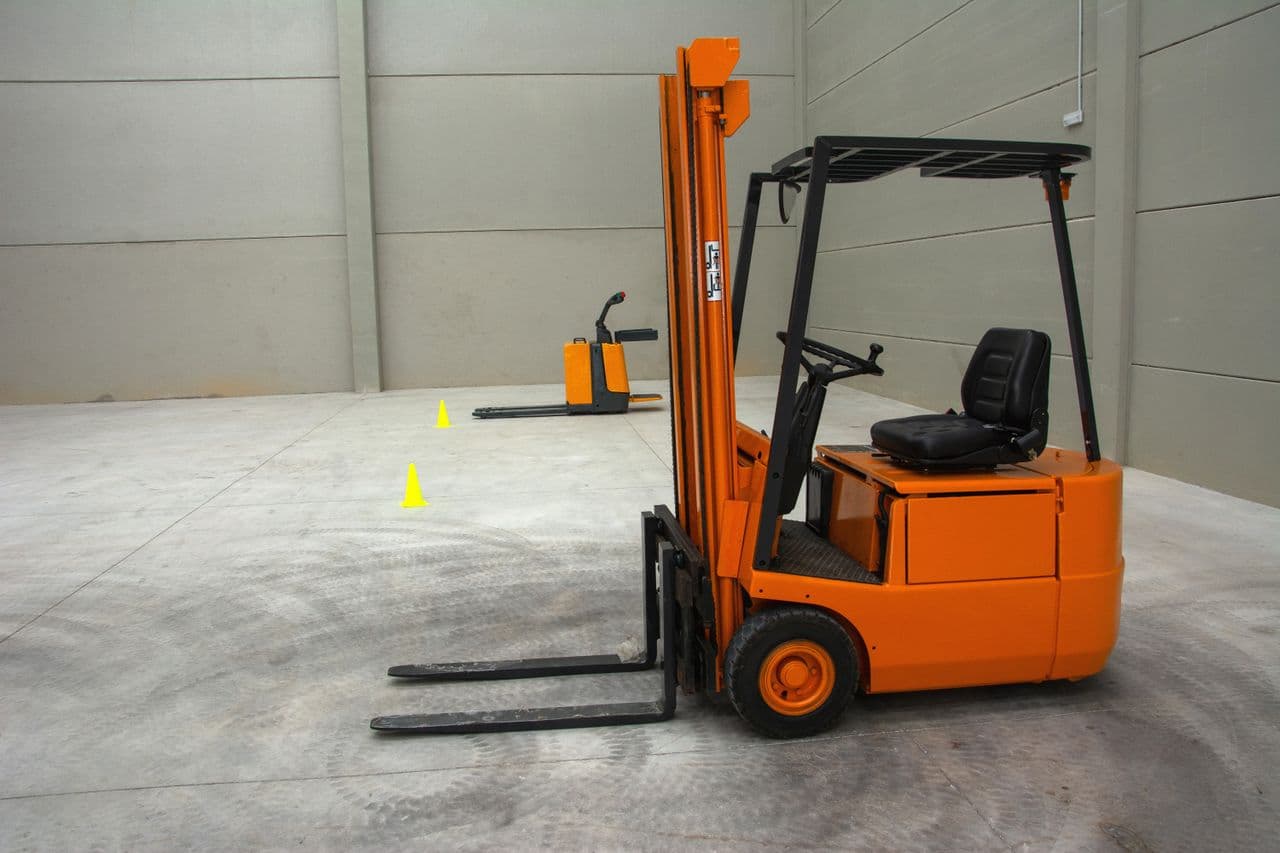
Forklift and reach truck operation is critical to logistics, warehousing and manufacturing, yet the occupation has no standard training infrastructure and no systematic competence model. In the United States, unsafe powered industrial truck operation is associated with approximately 85 fatalities and 34,900 serious injuries a year, and the Occupational Safety and Health Administration estimates that strengthened operator training requirements can reduce this risk by approximately 25 per cent. In the sector, operator training is delivered mainly through theoretical instruction and practice on the live site, which means the highest-risk scenarios are either practised where they are dangerous or not practised at all.
The company's response was to build a digital learning and competence development platform for these operators, commissioned in 2025.
Impact data have been tracked since 2025, and the effects of the initiative were monitored through the 2025-26 period across the company, the group's port operations, subcontractor firms, other sectors, vocational high school students and university collaborations.
The initiative is owned at senior management and board level as a digital transformation, occupational health and safety and competence development programme. Activities are reported regularly to the General Management and the Executive Board and are used as a data-based management instrument in decision-making. The company's disclosures include CDP reporting on climate, water and forests and ISSB and TCFD aligned reporting.
Location of the initiative: Bursa province, Türkiye, with deployment extended to the group's port operations and to vocational schools and universities in the region
Solution
The platform replaces the untestable part of operator training with a measurable one, by reproducing the site rather than describing it.
It provides digital twin factory environments, mixed reality training scenarios, artificial intelligence analysis and competence assessment modules. Operators can experience risky scenarios in a safe environment, which removes the trade-off between realistic practice and exposure to hazard.
The element that distinguishes the approach is the combination of real equipment with the virtual environment, so learning is data-based rather than observational. The system records how an operator behaves in each scenario and produces analytics from that record, which turns training from an event that was attended into a performance that was measured.
Assessment is anchored externally. The platform was developed in line with national occupational standards, using the qualification criteria defined by the Vocational Qualifications Authority (MYK) and the Turkish Accreditation Agency (TÜRKAK) as the reference, so a competence score means the same thing inside the company as it does outside it.
Remote access allows training and assessment to be run simultaneously without trainers travelling to each site, and multi-language support provides the basis for use outside Türkiye. Assessment results feed personalised development plans for each operator rather than a pass or fail record.
The platform was developed by the Technical Academy together with a start-up partner, combining the company's operational site experience with the start-up's extended reality capability, and it is adaptable to sectors beyond steel: logistics, port operations, manufacturing, heavy industry and educational institutions.
Figure 1: The examination brief and the instructor's multi-camera view of a trainee working through the pre-operation check list

Figure 2: Forklift handling rehearsed in the digital twin of the mill, in the same marked traffic lanes as the real site

Impact
Sustainability impact
Climate
The initiative is not accounted as an emissions reduction programme and no quantified reduction is reported. Its effect on emissions is an enabling one, and it runs on the same clock as the rest of the results: impact data have been tracked since 2025 and the effects were monitored through the 2025-26 period.
Those emissions sit inside the company's own boundary. Fuel burned by forklifts and reach trucks used for training is Scope 1 and the electricity used to run and charge that equipment is Scope 2, so replacing physical practice with digital twin sessions lowers energy consumption, maintenance requirements and equipment-related emissions within the company's own operational footprint rather than in a value chain category.
A second effect comes from remote access: because training and assessment are delivered simultaneously without trainers travelling to each site, the travel associated with delivering operator training falls across the same 2025-26 period.
The scale of the avoided physical training over that period is set by the population trained. Competence measurement was carried out for 75 operators, 45 at the port and 30 at the mill, and the environment was opened to approximately 150 vocational high school students and approximately 50 university students, so the hours of physical equipment use displaced accumulate across those groups rather than at a single site.
Energy and emissions savings were not separately quantified over the 2025-26 monitoring period. Baseline data on equipment operating hours, fuel and electricity consumption and travel distances were not collected, so no emissions figure is reported; these indicators are planned for the next monitoring period.
Nature
Reduced use of physical training equipment lowers the resource consumption associated with running and maintaining that equipment, including maintenance materials and the wear that shortens machine life.
Practising high-risk scenarios in a virtual environment also avoids the damage to equipment, racking and stored goods that accompanies training errors on a live site, which prevents material loss rather than managing it after the event.
Social
The safety result is the primary outcome. Before and after analysis shows a 25 per cent reduction in occupational health and safety events arising from forklift operations at the steel mill, and a 90 per cent improvement in the same indicator at the group's port operations.
Operator capability improved alongside it: performance and competence indicators rose by 35 per cent, and the time new operators need to adapt to the site fell by 30 per cent.
Competence measurement referenced to national qualifications was carried out for 75 operators in total, 45 at the port and 30 at the steel mill, and personalised development plans were created for each of them on the basis of the results.
User satisfaction surveys returned an average score of 9.8 out of 10 across four criteria: usability, realism, speed of learning and readiness for operations.
The social effect extends beyond the workforce. In collaboration with the Bursa Provincial Directorate of National Education, approximately 150 vocational high school students experienced the occupation of operator in a safe environment, and approximately 50 university students did the same through a collaboration with Bursa Technical University. This supports access of young people to technical occupations and contributes to reducing the proportion of young people not in employment, education or training, while the competence-based approach supports equal and safe access to employment for women and men operators alike.
Data are tracked regularly through occupational health and safety records, training performance reports, user satisfaction surveys, operational performance indicators and the analytics reports the system itself generates.
Business impact
Benefits
The operational case is built on avoided incidents. A 25 per cent reduction in operator-related safety events at the mill and a 90 per cent improvement at the port remove the direct and indirect costs that accompany each event, in a work category where the equipment, the load and the stored goods are all at risk.
Productivity improves at the same time: competence indicators up 35 per cent and adaptation time for new operators down 30 per cent shorten the period during which a new starter is both slower and more exposed.
Remote delivery reduces the need for trainers to travel to sites while increasing throughput, and integration with the learning management system, personnel files, training records and the accident database means competence data support the human resources lifecycle instead of sitting in a separate training log.
The platform also generates external revenue. In 2026, USD 20,000 of income was earned through a sale to a national telecommunications operator and through the EU Master XR Programme. The stated targets to 2030 are 100 sales, USD 3.5 million of product revenue and USD 500,000 of additional service revenue; these are targets rather than achieved results. Offices in Saudi Arabia and the United States support that growth.
Costs
The cost base is the corporate budget allocated to digital training investment, the development of extended reality scenarios and digital twin environments, the hardware required to run them, and the integration work connecting the platform to the learning management system, personnel files, training records and the accident database.
Developing a platform with a start-up partner rather than buying a training course means the company carries development risk and shares revenue, which is the trade-off that keeps the platform continuously updated.
Content is not a one-off cost. New extended reality modules for further high-risk areas such as slinging, crane operation and wind turbine blade transport are under development, and each addition requires scenario design, validation against occupational standards and testing with users.
Costs are offset by a sales and leasing model and by the revenue-sharing arrangement with the start-up partner, and additional resources are raised through European Union projects and international funds. Integration with existing training technologies extends the digital learning ecosystem without rebuilding it.
Impact beyond sustainability and business
Co-benefits
Vocational high schools and universities gain access to equipment experience their own facilities cannot provide, with approximately 150 vocational students and approximately 50 university students reached so far, which builds the qualified workforce the sector will need.
Alignment with the processes of the national qualification and accreditation bodies gives the assessment method a route into wider sector use, including potential extension to driver training schools.
Multi-language support and the adaptability of the model to logistics, ports, manufacturing, heavy industry and education create the conditions for transfer to other sectors and geographies.
The system links education institutions, employers and occupational health and safety units through shared data, which makes competence management measurable across organisational boundaries rather than only inside one company.
Potential side-effects
Mixed reality reproduces risky scenarios safely, but it cannot by itself confirm competence in the physical environment. This is why assessment referenced to national qualification standards remains part of the model and why the platform is positioned alongside site practice rather than as a replacement for it.
The model introduces a hardware dependency. Headsets, equipment and the software environment have to be maintained and refreshed, and a site without that support reverts to conventional training.
Commercialising an internal safety tool creates a second objective alongside the first. Reporting the platform's occupational health and safety indicators, accident data and rollout results to the relevant committees and to the Executive Board is what keeps the internal safety purpose in view alongside the sales targets.
Results of this size depend on the starting point. A 90 per cent improvement at the port and a 25 per cent reduction at the mill reflect two different baselines, so an organisation with mature operator training should expect a smaller change.
Implementation
Typical business profile
The model suits manufacturers, logistics operators, ports and heavy industry sites that run internal fleets of forklifts, reach trucks or comparable equipment and that carry the associated occupational health and safety risk.
It is most relevant for organisations with an internal training function or academy, because the platform has to be owned by a body that can define learning outcomes, validate them against occupational standards and connect the results to human resources records.
Delivery engages the training academy as lead, with human resources, information technology, corporate communications, automation, production and occupational health and safety teams sharing responsibility, and works with a technology development partner and with public qualification and accreditation bodies.
Approach
Quantify the operator risk before designing the training: Analyse occupational health and safety records, accidents and near misses by cause to establish which operator behaviours produce the events, so the scenario library is built from the site's own risk profile rather than from generic content.
Anchor the model in national occupational standards: Use the qualification criteria of the national vocational qualifications and accreditation bodies as the reference for competence definition and assessment, so scores are portable and recognised outside the company.
Build a digital twin of the actual site: Reproduce the specific factory or terminal environment rather than a generic warehouse, because the hazards operators must learn to handle are particular to the layout, the loads and the traffic of their own workplace.
Combine real equipment with the virtual environment: Keep physical controls in the loop so that muscle memory and machine behaviour transfer to the site, and so the training produces data on how the operator actually handles the equipment.
Instrument the training so it generates evidence: Use artificial intelligence analytics to convert each session into performance data and competence scores, which turns training from attendance into a measurable operator profile.
Assess every operator and issue an individual development plan: Run the referenced competence measurement across the whole operator population - here 75 operators, 45 at the port and 30 at the mill - and build a personalised plan from each result rather than a pass or fail record.
Integrate with the systems that already hold the record: Connect the platform to the learning management system, personnel files, training records and the accident database so competence data support the human resources lifecycle and safety reporting without duplicate entry.
Extend the platform beyond the fence: Open the environment to vocational high schools, universities, group companies and subcontractors, add modules for further high-risk tasks such as slinging, crane operation and blade transport, and use pilot feedback and accident data to improve the system continuously.
Stakeholders involved
Project leads: The Technical Academy leads the initiative, which is owned at senior management and board level as a strategic digital transformation, occupational health and safety and competence development programme. Project ownership and product management roles are defined, and performance, occupational health and safety indicators, accident data and rollout results are assessed regularly in the relevant committees and reported to the General Management and the Executive Board.
Company functions: Human resources, information technology, corporate communications, automation, production and occupational health and safety teams share responsibility for delivery under the academy's leadership. Those functions defined the solution requirements, while operational and safety teams identified the risk areas the scenarios had to cover.
Main providers: An extended reality start-up developed the platform jointly with the Technical Academy under a partnership and revenue-sharing model, which combines the company's site experience with the start-up's technical capability and funds continuous updating of the platform. A national telecommunications operator became an early external customer.
Other: Public bodies set the standards framework: the Ministry of National Education, the Vocational Qualifications Authority (MYK) and the Turkish Accreditation Agency (TÜRKAK) provide the occupational standard references, and the Bursa Provincial Directorate of National Education supported young people's access to vocational training. On the academic side, Bursa Technical University, Çanakkale 18 Mart University and vocational high schools contributed to learning outcomes and scenario development. Within the group, the port and logistics companies and their occupational health and safety teams took a direct role in identifying operational needs and risk areas, alongside subcontractor firms. The EU Master XR Programme supported technological diffusion. Stakeholder feedback, pilot applications, occupational health and safety reports and accident data are used to improve the system continuously. International visibility has been built through technology and industry exhibitions in Türkiye, Europe and the Gulf.
Key parameters to consider
Impact data have been tracked since 2025 and effects were monitored through the 2025-26 period across the steel mill, the group's port operations, subcontractor firms, other sectors, vocational high school students and university collaborations. Within the group, three operating companies are involved: the steel producer, the port and the logistics business.
Five indicators are used: operator-related occupational health and safety events including accidents and near misses, operator competence development scores referenced to national qualifications, operational performance and competence development rate, adaptation time for new operators, and user satisfaction.
Continuity is supported by the corporate budget, digital training investment and a sales and leasing model, with the revenue-sharing arrangement funding continuous platform updates and European Union projects and international funds providing additional resources.
Implementation and operations tips
Reference the competence model to a national standard from the beginning. Internal scoring produces internal credibility only; standards-referenced assessment is what makes the results usable by employers, schools and safety authorities.
Build the digital twin of the real site. Generic warehouse scenarios teach the machine but not the hazard, and the value of the training comes from rehearsing the specific situations that produce incidents at that location.
Treat the training data as human resources data. Integrating with the learning management system, personnel files and the accident database converts a training platform into a competence management system, which is what allows before and after analysis at all.
Open the platform to schools early. Vocational and university students trained in a safe environment become the operator pipeline, and the collaboration costs little once the scenarios already exist.