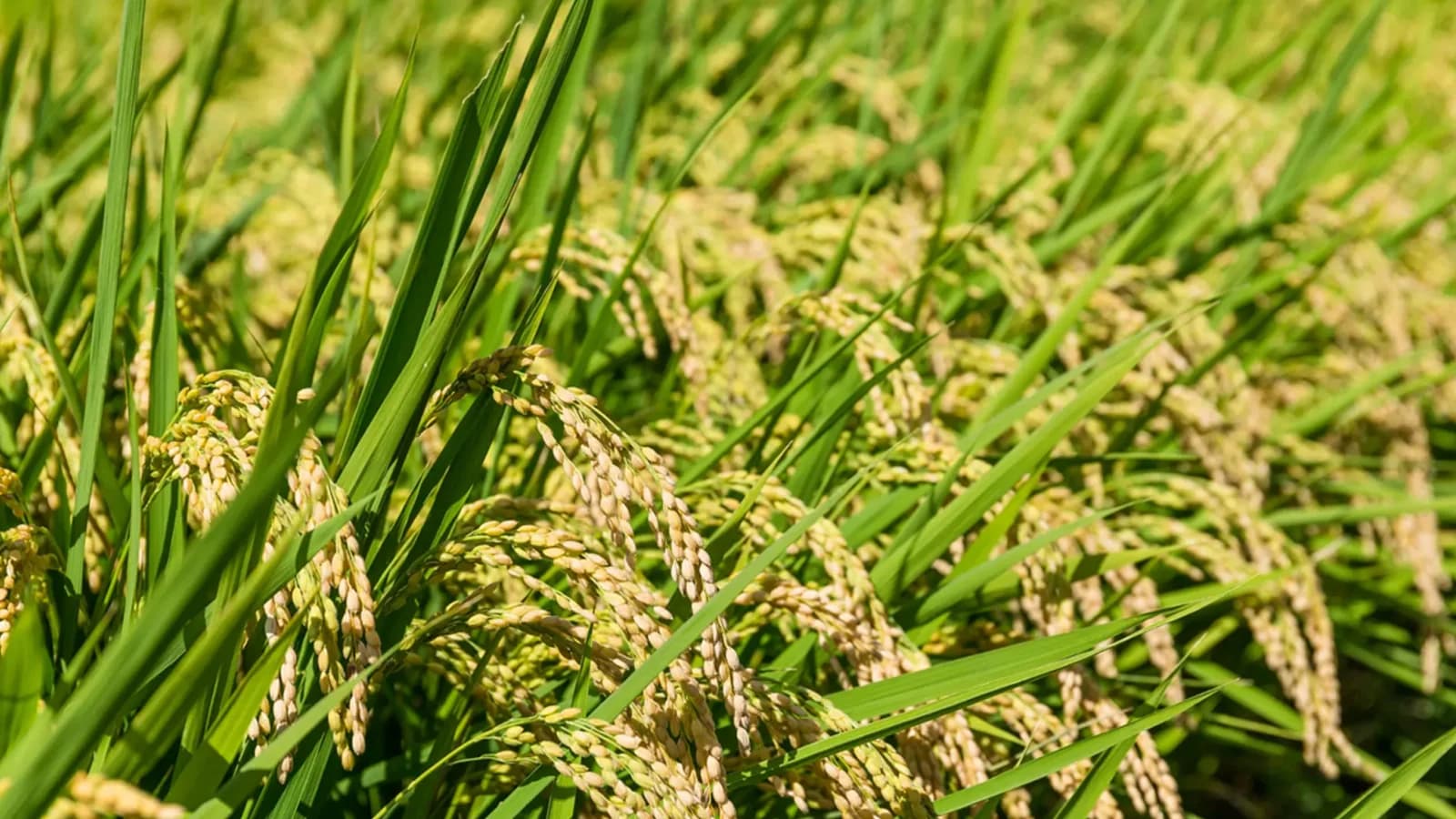
Incentivize low-emission rice in the Mekong River Delta
 SNV
SNV总结
Transforming Rice Value Chains in the Mekong River Delta (TRVC) spurs private sector investment in rice value chains, increasing sustainable production and building resilience.
Context
This case presents the TRVC program, operated by the Netherlands Development Organisation (SNV) with analytical support from Deloitte Consulting LLP, implemented through rice companies and cooperatives across Vietnam’s Mekong River Delta, and with MRV support provided by Regrow Ag.
The Mekong River Delta, located at Vietnam’s southern tip, is one of the world’s most fertile regions. It covers about 4 million hectares, with freshwater habitats ranging from floodplains, wetlands and mangrove forests, to mudflats, sea grasses, riparian vegetation, paddy land and peatlands. The landscape, often referred to as Vietnam’s “rice basket”, produces over 55% of the country’s annual rice crop and 95% of its rice exports. This production system supports around 1.5 million small-scale rice farmers and is a major factor in local culture, traditions and livelihoods. Its low-lying coastal geography puts the Mekong River Delta and its inhabitants among the world’s most vulnerable to the impacts of climate change.(1) In a region that depends on small-scale agricultural production, this can be devastating to the economy and significantly impact farmers’ livelihoods. The TRVC program addresses these challenges by incentivizing sustainable practices that reduce emissions, improve profitability, and promote social inclusion.
Location: Mekong River Delta, provinces of An Giang, Kien Giang and Dong Thap in Vietnam

Solution
The Transforming Rice Value Chains programme, funded by the Australian Government and coordinated by the Netherlands Development Organization (SNV), incentivises rice companies to work with cooperatives and farmers to adopt low-emission practices. Key elements include:
Pay-for-results scheme: Companies receive monetary prizes based on verified GHG reductions.
Farmer incentives and capacity-building: Higher prices for sustainable rice, capacity-building
Flexible practices: Farmers choose from practices like alternate wetting and drying, fertiliser reduction, residue removal, and direct seeding.
MRV system: Regrow Ag quantifies emissions using the DNDC model and remote sensing.
As the project lead, SNV directly engages rice producing companies that, in turn, lead the work of enrolling farmers – either directly or, more commonly, through cooperatives – into the program and engaging them in the adoption of improved sustainable farming practices. Based on the results achieved, rice companies receive monetary prizes at the conclusion of each growing season.
The Government of Australia funds TRVC, providing a grant totaling AUD $17 million, covering project operations and the pay-for-results scheme through 2027.
The project awards prizes to participating companies based on verified GHG reductions on-farm. Each company receives prizes proportionally from a shared pool according to the GHG reduction results monitored during each season. In the first season, the shared pool was AUD $200,000 and will increase to AUD $550,000 in the sixth and final season (2027). The increase over time aims to encourage competition and scale across participating companies. To further encourage scaling over time, the project also awards grand prizes of up to AUD $900,000– split among up to five winners and awarded at the end of the sixth season – to the companies that are most successful in reducing emissions across the six seasons (among the eight Vietnamese rice-producing companies currently part of the project). Of the AUD $200,000 awarded to rice producing companies in the first season, the participating companies shared between 15% and 95% of their monetary awards (for a total of approximately AUD $86,000) with their partner farmers and cooperatives. While prize-sharing can prove to be an additional reward and income source for the farmers, the project’s main benefits for growers derive from the reduction of input costs and the receipt of price premiums for the quality of their product.
Female farmers in the field (Credits: SNV)

Impact
Sustainability impact
Climate
Targets Scope 3 emissions, Category 1: Purchased Goods and Services
Aims to reduce 200,000 mt CO2e by 2027
MRV aligned with Verra VM0042/VM0051 and SustainCERT standards
Nature
No formal biodiversity objective, but practices reduce water use and chemical inputs
Social
40–70% profit increase for farmers in first two seasons
Premiums of VND 100–1,300/kg for sustainable rice
Social inclusion criteria: 30% women in training, disability policies, gender analysis
1719 growers over 61000 hectars in the first planting season, total of 95K hectars in the third season with the ambition to reach over 200K by 2027
Business impact
Benefits
Access to premium export and domestic markets for farmers
Strengthened farmer relationships and supply chain resilience
Enhanced brand value through Green and Low-Emission Vietnam Rice trademark launched by the Vietnam Rice Industry Association (VIETRISA).
Costs
AUD $17M grant from Government of Australia department of foreign affairs and trade (DFAT) covers operations and incentives 2023- 2027
Prize pool increases from AUD $200K to $550K over six seasons
Grand prizes of up to AUD $900K awarded to top performers
Co-benefits
Promotes gender equality and inclusion of marginalised groups
Builds capacity and trust across the rice value chain
Implementation
Typical business profile
Rice-producing companies in Vietnam
Operating in flood-prone, smallholder-dominated regions
Early to mid-stage in Net Zero/Nature Positive journey
Approach
Enroll rice companies and cooperatives
Implement sustainable practices with farmers
Monitor emissions and verify reductions
Distribute prizes and premiums
Scale adoption and prepare for carbon monetization
Stakeholders involved
Project Leads: Netherlands Development Organization (SNV), Government of Australia department of foreign affairs and trade (DFAT), eight rice producing companies (Chon Chinh Export – Import Co. Ltd; Vietnam Rice Co. Ltd; Trung An High-tech Farming JSC; Xuan Phuong Kien Giang Co. Ltd; ThaiBinh Seed Joint Stock Corporation; A An Food JSC; Angimex – Kitoku Co. Ltd; King Green Natural Foods Joint Stock Company with over 127 producer cooperatives)
Company Functions: Procurement, Sustainability, Farmer Engagement
Main Providers: Regrow Ag, Deloitte consulting LLP, VIETRISA and,
Others: Government of Vietnam’s Crop Production Department; Provincial Departments of Agriculture and Rural Development
Key parameters to consider
MRV system designed for carbon markets and insetting
Practices tailored to farmer needs and local conditions
Strong enabling policy via Vietnam’s One Million Hectares programme
Builds on successful AgResults project in Red River Delta
Implementation and operations tips
Allow flexibility in practice adoption
Share economic benefits
Use remote sensing to verify compliance
Align with national climate and rice strategies
Going further
External links
Source list