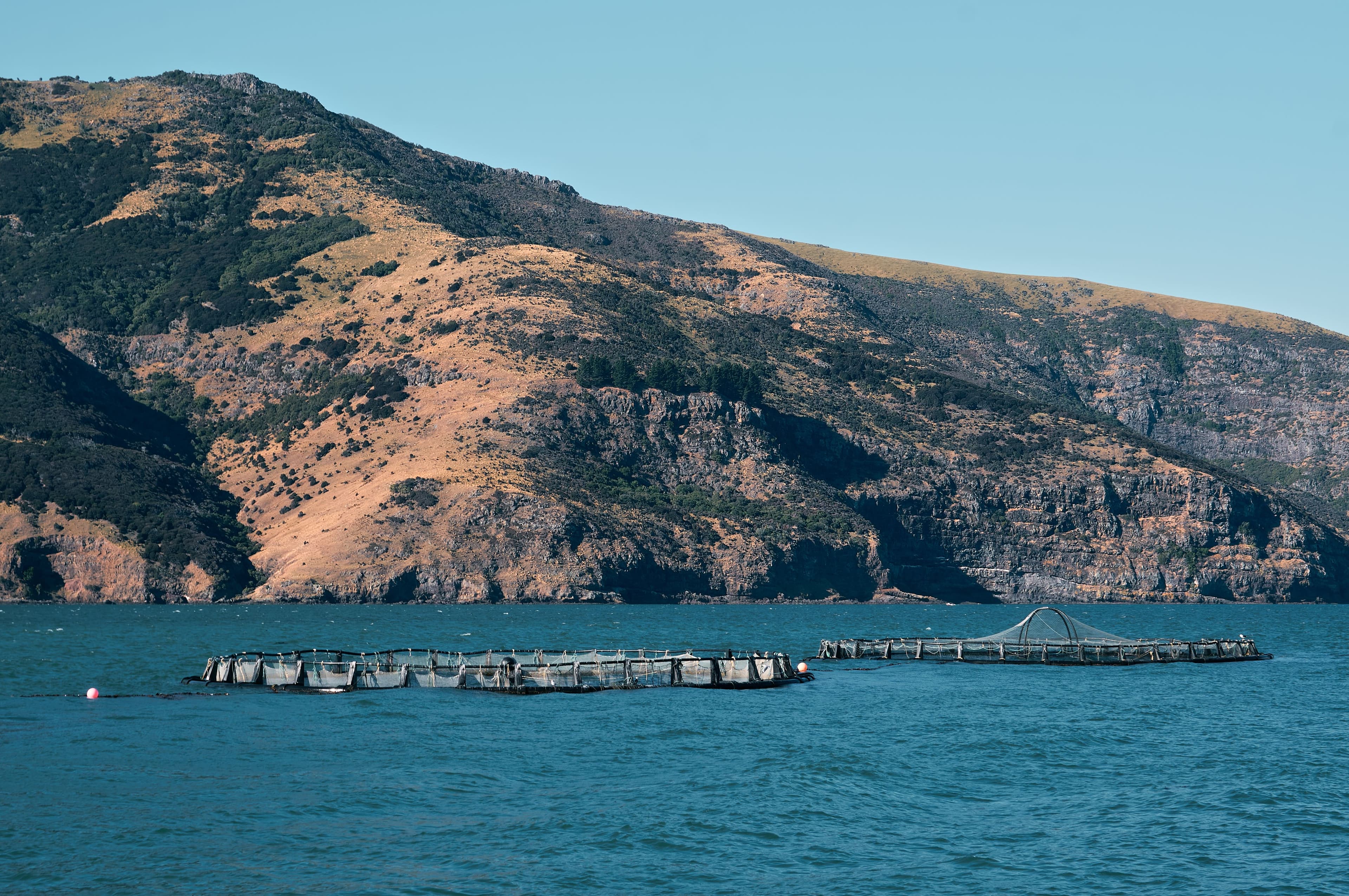
Issue a blue bond to fund marine and coastal projects
 QNB Bank A.Ş.
 SKD Türkiye
总结
A blue bond raises long-term, affordable funding for marine, coastal and water projects, extending climate finance beyond land-based activity.
Context
Submitted through the COP31 Sustainable Transformation Awards · SKD Türkiye (WBCSD Global Network Partner)
The company is a bank operating across Türkiye in the financial services sector, with more than 10,000 employees and a nationwide branch network.
Climate finance in emerging markets has developed around land-based activity. Renewable generation, buildings and industrial efficiency dominate green bond frameworks, while marine and freshwater ecosystems, and the economies that depend on them, attract comparatively little dedicated capital.
That gap matters in a country with extensive coastline and a water-dependent economy. Fisheries, aquaculture, maritime activity and coastal tourism are exposed to warming seas, pollution and biodiversity loss, and the operators in these sectors are mostly small and medium-sized enterprises without access to long-tenor investment funding.
The company's response was to create a domestic reference point for blue finance rather than to wait for the market to develop one. A first issue by a bank establishes the framework, the eligibility definitions and the reporting expectations that later issuers can follow.
The transaction is aligned with Türkiye's 2053 net zero target and with the company's own sustainability strategy, and it is embedded in the 2024 to 2030 strategic plan rather than treated as a standalone transaction (1).
Location of the initiative: Türkiye, with financed activity concentrated in coastal and water-dependent regions
Solution
The instrument is a blue bond of USD 25 million, issued in 2024 in collaboration with a multilateral development finance institution, which funded the issue in full. It carries a five-year tenor with a two-year grace period, so borrowers financed from the proceeds can be given time before repayment begins.
It was the first blue bond issued by a bank in Türkiye, and its purpose is to provide long-term and affordable financing to blue economy projects. Eligible use of proceeds covers sustainable fishing, blue tourism, protection of water resources, biodiversity and organic agriculture, which distinguishes the instrument from a conventional green bond by focusing on water and marine ecosystems rather than land-based activity.
Impact measurement follows the performance standards of the development finance institution together with blue economy principles. The baseline for each financed project is its pre-financing data, and before-and-after comparison runs through project monitoring mechanisms. Reported indicators cover the number of blue economy projects financed, the number of businesses supported in sustainable fishing and tourism, project outputs on water resource protection, positive indicators for marine ecosystems, and the share of blue economy financing in the total portfolio. Impact data is monitored across the life of the bond and reported annually.
Allocation is under way. As at 31 March 2026, USD 11 million of the USD 25 million had been committed to financed projects, made up of eight projects in total, and the borrowers drawing on them held Aquaculture Stewardship Council certification for responsible aquaculture and Global Sustainable Tourism Council certification for sustainable tourism. The remaining USD 14 million of the funding is to be committed to further projects by the end of 2026.
The framework was then embedded in the bank's own operating rules rather than left with the treasury function. Blue bond principles were added to credit policy as a formal procedure, and mandatory awareness training was launched across all branches and units on the instruction of the chief executive, so that eligibility assessment is available wherever a customer is originated.
Continuity is secured by integrating the transaction into the 2024 to 2030 strategic plan, budgeting for it and including it in performance evaluation systems, which converts a single issue into an auditable corporate standard.
Impact
Sustainability Impact
Climate
The bond does not change the company's own Scope 1 or Scope 2 emissions. Its climate relevance is in the financed portfolio, which falls under Scope 3, Category 15: Investments.
The instrument's specific contribution is to widen the scope of climate finance. Directing capital towards marine and water ecosystems addresses climate effects that land-focused green bonds leave uncovered, and supports adaptation in coastal economies exposed to warming and pollution.
The transaction is aligned with Türkiye's 2053 net zero target and forms part of the company's sustainability strategy.
Allocation to companies certified under the Global Sustainable Tourism Council standard has delivered energy-efficiency savings of 118 tCO2e per year.
Nature
The environmental purpose of the instrument is the condition of marine and freshwater ecosystems. Eligible use of proceeds covers sustainable fishing, blue tourism, protection of water resources, biodiversity and organic agriculture, with prevention of water pollution and protection of biological diversity as stated objectives.
Impact assessment applies the performance standards of the development finance institution and blue economy principles, and effects on water resources and biodiversity are monitored through project-level indicators against pre-financing baselines.
Reported nature-related indicators include project outputs on the protection of water resources and positive indicators for marine ecosystems.
Allocation data gives the first measure of that scope. By 31 March 2026, USD 11 million of the issue had financed eight projects, and every borrower behind them held certification under the responsible aquaculture or sustainable tourism standard, so the financed activity is tied to independently audited practice rather than to a category label. A further USD 14 million is scheduled for allocation by the end of 2026.
Allocation has also delivered water-efficiency savings of 321 m3 per day.
Social
The instrument connects environmental sustainability with local development in coastal regions. By supporting sustainable tourism and fishing, it protects the livelihoods of coastal communities and supports employment in economies dependent on those sectors.
The end beneficiaries are small and medium-sized enterprises operating in fisheries, tourism and related sectors, and their needs and feedback are taken into account in developing the financing model, which keeps the instrument aligned with what operators in the field actually require.
Supporting these businesses also builds their sustainability capability, since access to long-tenor funding with a grace period is what allows a small operator to make an investment that changes practice rather than only to cover working capital.
Business Impact
Benefits
The transaction secured USD 25 million of five-year funding, fully subscribed by a development finance institution, with a two-year grace period that gives the bank flexibility in how it structures onward lending.
Partnership with multilateral development banks lowers the perceived risk of a new instrument class for domestic market participants, and the first issue created a reference framework that other commercial banks can follow, which develops the market the bank operates in.
Allocation reached USD 11 million across eight projects by 31 March 2026, with USD 14 million still to be committed by the end of 2026, so the transaction is converting into lending rather than remaining a treasury position.
For investors, the issue created a new environmental, social and governance asset class in the domestic market, widening the funding base available to the bank over time.
Internally, the transaction produced durable capability rather than a one-off result. Blue bond principles entered credit policy as formal procedure, awareness training was rolled out across all branches and units, and the initiative was budgeted within the 2024 to 2030 strategic plan and built into performance evaluation, so the framework survives changes in personnel.
The instrument also pulls suppliers and small and medium-sized enterprises in the value chain towards compliance with sustainability criteria, which improves the environmental profile of the wider portfolio.
Costs
The transaction required a framework to be built from nothing. As a first issue in the domestic market, eligibility definitions, impact indicators and reporting arrangements had to be designed in coordination with the development finance institution rather than adopted from an existing local precedent.
Compliance with the institution's performance standards and blue economy principles applies to every financed project, which adds assessment work at origination and monitoring work thereafter.
Impact data is monitored throughout the life of the bond and reported annually, so measurement and disclosure are standing costs across the full five-year term.
Embedding the framework internally carried its own cost: amending credit policy as formal procedure and running mandatory awareness training across all branches and units consumed time across the whole network, not only in the sustainability and funding teams.
The eligible pipeline is a practical constraint. Blue economy projects of financeable size are less numerous than land-based green projects, so origination effort per unit of lending is higher.
Costs are contained by using the development institution's existing performance standards rather than building proprietary criteria, by embedding assessment in the standard credit process instead of creating a parallel one, and by budgeting the initiative inside the strategic plan so that resourcing is predictable.
Impact Beyond Sustainability And Business
Co-benefits
The first issue produced a first-mover effect that encourages other commercial banks to consider comparable transactions, which develops a domestic blue finance market rather than a single product.
Partnership with multilateral development banks acts as a trust mechanism for local banks and lowers risk perception around an unfamiliar instrument class, which is a benefit that accrues to the market as a whole.
Suppliers and small and medium-sized enterprises in the value chain are encouraged towards compliance with sustainability criteria, extending the effect beyond the directly financed borrower.
Over the next five to ten years the expectation is that this pilot develops into a substantially larger blue bond market, with Türkiye positioned as a regional centre for blue finance.
Potential side-effects
A first issue in an immature market carries pipeline risk. If eligible blue economy projects of sufficient scale are scarce, proceeds are slow to allocate, which weakens the impact case even when the instrument is well designed.
Concentrating financing in fisheries, coastal tourism and maritime activity concentrates exposure in sectors that are seasonal and climate-sensitive, so the environmental objective has to be balanced against portfolio diversification.
Reliance on a single development institution as sole funder limits the size of the issue and makes replication dependent on that relationship, which is a constraint other issuers should plan around.
Implementation
Typical Business Profile
The model suits commercial banks in coastal or water-dependent economies that have an existing relationship with a multilateral development institution and a customer base of small and medium-sized enterprises in fisheries, aquaculture, maritime services or tourism.
It is most relevant in markets where no blue finance precedent exists, because the value of a first issue lies as much in establishing the framework, the eligibility definitions and the reporting expectations as in the capital raised.
Delivery engages structured funding, corporate banking, risk management and sustainability functions, working with the development institution on allocation criteria and impact tracking, and requires the branch network to be brought into the eligibility process through training.
Approach
Identify the financing gap in the local economy: Map the water-dependent sectors that green bond frameworks exclude, such as fisheries, aquaculture, maritime activity and coastal tourism, and confirm that the operators in them lack access to long-tenor investment funding.
Partner with a multilateral development institution as anchor funder: Negotiate a fully subscribed issue so that the first transaction does not depend on an untested investor market, and use the partnership to lower risk perception for the domestic market.
Define the eligible blue economy scope explicitly: Set out the financeable categories, being sustainable fishing, blue tourism, protection of water resources, biodiversity and organic agriculture, so that eligibility is testable rather than thematic.
Structure the tenor around borrower cash flow: Issue with a five-year tenor and a two-year grace period so that onward lending can fund investments that take time to generate returns, which is the condition small coastal operators actually face.
Adopt external standards for impact assessment: Apply the development institution's performance standards together with blue economy principles, and take each project's pre-financing data as the baseline for before-and-after comparison.
Fix the indicator set before allocation: Track the number of blue economy projects financed, businesses supported in sustainable fishing and tourism, project outputs on water resource protection, marine ecosystem indicators and the share of blue financing in the total portfolio, and report annually across the life of the bond.
Write the principles into credit policy as formal procedure: Amend the credit policy so that blue bond eligibility is assessed within the standard lending process rather than as a special case handled centrally.
Train the whole network and budget the framework into the strategic plan: Run mandatory awareness training across all branches and units, and integrate the initiative into the 2024 to 2030 strategic plan with dedicated budget and performance evaluation, so that it becomes an auditable corporate standard rather than a personal initiative.
Stakeholders Involved
Project leads: Senior management owns the transaction, and it is run in integration with the company's sustainability strategy. The Sustainability Committee, co-chaired by the general manager, manages the process end to end. Continuity was secured by integrating the initiative into the 2024 to 2030 strategic plan, budgeting it and including it in performance evaluation systems, and mandatory awareness training across all branches and units was launched on the instruction of the chief executive.
Company functions: Structured funding, corporate banking, risk management and sustainability departments work in coordination with the development institution to set fund allocation criteria and carry out impact tracking. Blue bond principles were added to credit policy as formal procedure, which places eligibility assessment inside the standard credit process across all branches and units.
Main providers: A multilateral development finance institution funded the issue in full and provided the performance standards and technical expertise on which impact assessment is based. A second international development bank contributed technical expertise and standard setting in the wider partnership, and both institutions led the definition of standards for the instrument.
Other: Small and medium-sized enterprises in fisheries, tourism and related sectors are the end beneficiaries and sit at the centre of the process, with their needs and feedback taken into account in developing the financing model. Coastal communities benefit through the protection of livelihoods and employment.
Key Parameters To Consider
The instrument is USD 25 million with a five-year tenor and a two-year grace period, fully funded by a single development finance institution, and impact data is reported annually across that term.
Eligibility is defined by category rather than by a mandatory certification test: sustainable fishing, blue tourism, protection of water resources, biodiversity and organic agriculture, with the development institution's performance standards and blue economy principles applied to each project.
As at 31 March 2026, USD 11 million of the issue had been allocated to eight projects with certified borrowers, and USD 14 million remained to be allocated by the end of 2026.
Baselines are set from each project's pre-financing data, so measurement depends on that data being captured before funds are committed.
Institutional durability comes from three mechanisms: blue bond principles written into credit policy as formal procedure, mandatory awareness training across all branches and units, and integration into the 2024 to 2030 strategic plan with budget and performance evaluation.
The expected trajectory is that the pilot develops into a larger market over the next five to ten years, with replication dependent on partnerships with development banks acting as a trust mechanism for other local issuers.
Implementation And Operations Tips
Treat the first issue as framework building rather than as fundraising. The lasting value of a first blue bond is the eligibility definitions, the indicator set and the reporting expectations it establishes for the market.
Match the tenor to the borrower, not to the treasury. A grace period is what allows a small coastal operator to finance an investment rather than only working capital, and without it the proceeds tend to fund the borrowers who least need concessional terms.
Adopt an external standard rather than writing one. Using a development institution's performance standards and blue economy principles removes the argument about credibility and shortens the design cycle considerably.
Put eligibility assessment into the standard credit process. Amending credit policy and training the whole branch network is what allows origination to happen where customers are, instead of bottlenecking in a central sustainability team.
Budget the framework inside the strategic plan. Integrating the initiative into the plan with dedicated budget and performance evaluation is what turns a transaction into a corporate standard that survives changes in personnel.