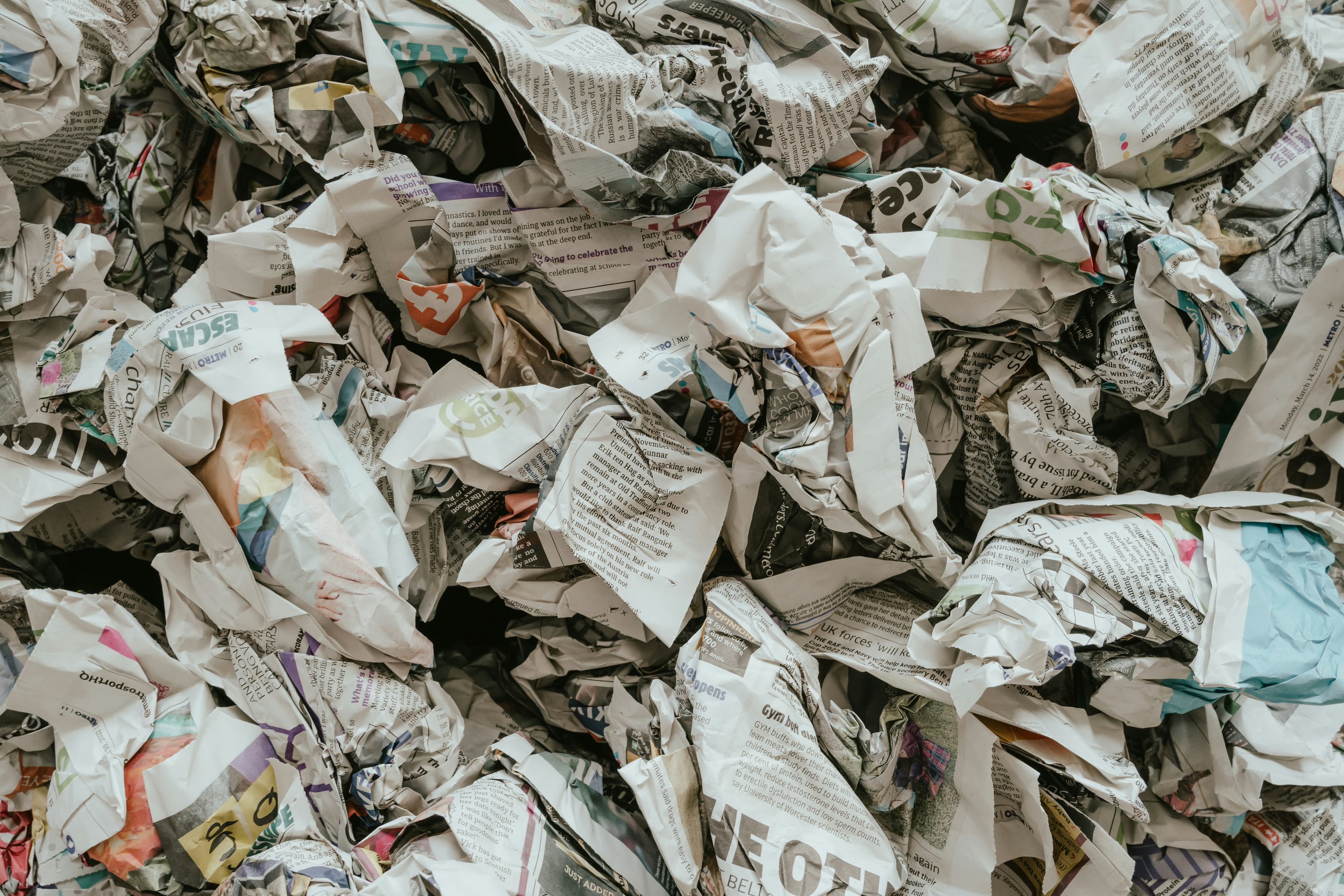
Use recycled paper waste for packaging
 RD Saúde
 CEBDS
CEBDS总结
Recycled pharmacy paper waste is transformed into cardboard packaging for exclusive-brand products through coordinated reverse-logistics and manufacturing partnerships.
Context
RD Saúde sought to reduce waste discharged into the environment and strengthen its circularity practices. The company identified the opportunity to reuse paper waste generated in its operations, primarily boxes and medication leaflets disposed of by customers at pharmacies. Integrating this waste into packaging for exclusive-brand products aligned with the company’s broader circular economy strategy.
Location of the initiative: State of São Paulo, Brazil
Solution
RD Saúde connected its Conscious Disposal Program to the packaging production process for its exclusive brands. Paper waste collected at Raia and Drogasil pharmacies—including medication boxes and leaflets—was redirected for recycling. Through partnerships with a reverse-logistics provider supporting medication disposal and a recycled-cardboard manufacturer, the company ensured that collected paper became raw material for packaging used in exclusive-brand products. Implementing this required close coordination across supply-chain partners responsible for manufacturing these items.
Impact
Sustainability Impact
Climate
The initiative primarily targets Scope 3 emissions, particularly Category 12: End-of-Life Treatment of Sold Products and Category 1: Purchased Goods and Services. By replacing virgin cardboard with recycled material, the initiative reduces emissions related to raw-material extraction, processing, and manufacturing. The reuse of 14 tons of paper waste in 2024 represents avoided emissions associated with traditional disposal and new material production.
Nature
Reusing paper waste reduces demand for virgin pulp, helping avoid deforestation pressures and lowering the ecological footprint associated with paper production. The initiative also reduces landfill volumes, minimizing impacts on soil, water, and surrounding ecosystems.
Social
The program increases community engagement by encouraging proper disposal of medication packaging at pharmacies. It also contributes to safer waste-management practices and raises public awareness of circularity and responsible consumption.
Business Impact
Benefits
Using recycled cardboard reduces reliance on virgin materials and can lower packaging-procurement costs over time. The model strengthens supply-chain resilience by diversifying material sources and supports brand positioning around sustainability. It also enhances regulatory compliance around waste management and extends the value of existing reverse-logistics infrastructure.
Costs
Costs may include adjustments to logistics flows, material-sorting processes, and quality control for recycled material. Partner alignment also requires additional coordination. Investment levels depend on waste-collection volumes and recycling capacity. Costs can be minimized by leveraging established partners, optimizing transportation routes, and scaling gradually to increase efficiency.
Implementation
Typical Business Profile
Most relevant for companies with:
Large retail or pharmacy networks
High volumes of consumer-generated paper waste
Partnerships with external manufacturers for private-label products
Existing reverse-logistics programs or interest in circular packaging solutions
Approach
Identify waste streams suitable for recycling into packaging
Integrate waste-collection points into existing pharmacy locations
Partner with reverse-logistics providers to transport and consolidate collected paper waste
Collaborate with recycled-cardboard manufacturers to convert waste into packaging material
Align with exclusive-brand manufacturers to incorporate recycled cardboard into production
Implement quality-control processes across the supply chain
Scale gradually to additional product lines and regions
Stakeholders Involved
Project leads: Sustainability and operations teams
Company functions: Supply chain, procurement, exclusive-brand management, logistics
Main providers: Reverse-logistics partner responsible for medication packaging; recycled-cardboard manufacturer
Other stakeholders: Exclusive-brand manufacturing partners; customers contributing disposed packaging
Key Parameters to Consider
Maturity: Recycling of paper waste is well-established but adapting it to branded packaging requires coordination
Timeline: Implementation depends on waste-volume assessment and alignment with manufacturing cycles.
Lifetime: Ongoing program with potential for long-term expansion
Technical requirements: Ability to segregate clean paper waste; sufficient recycling capacity; packaging-quality validation
Regulations: Must comply with local waste-management and reverse-logistics policies
Geographical relevance: Most effective where consistent waste volumes and recycling partners are available.
Implementation and Operations Tips
Establish clear roles and responsibilities among partners to avoid delays in material flow
Monitor paper quality and contamination levels at collection points to maintain packaging quality
Use phased rollout to test supply-chain capacity and refine processes
Engage customers through clear communication to encourage proper paper disposal and increase participation