Prioritize Nature Risks Across Mobility Assets
 Motiva
Summary
A nature-risk assessment combines geospatial and operational data to prioritize mobility assets and integrate biodiversity into risk management and disclosure.
Context
Motiva Infraestrutura de Mobilidade S.A. operates transportation and mobility infrastructure in Brazil. Its geographically distributed assets interact with sensitive biomes and areas, including biodiversity priority areas, protected areas, Indigenous lands and water resources. (1)
The company needed a consistent approach to understand and integrate nature-related dependencies, impacts, risks and opportunities (DIROs) into its strategy, risk management and disclosure preparation. The diversity of its asset portfolio, data limitations, and interactions between nature-related and operational risks made a consistent assessment approach a priority.
Location of the initiative: Brazil, across the company's mobility infrastructure asset portfolio.
Solution
The company applied the Taskforce on Nature-related Financial Disclosures (TNFD) LEAP (Locate, Evaluate, Assess, Prepare) approach to identify and assess how its mobility infrastructure assets depend on and affect nature. The assessment combined geospatial screening with business-unit operational data to examine interactions with biodiversity priority areas, protected areas, Indigenous lands and water resources. ENCORE, a natural-capital dependency and impact screening tool, supported the initial assessment. Specialized technical advisers and cross-functional teams calibrated global datasets using local asset knowledge.
In 2025, the company disclosed its first LEAP assessment results in its Sustainability Report and completed a portfolio-level assessment for its Highways platform. This provided a broader view of nature-related dependencies, impacts, risks, and opportunities. Risks identified included extreme weather, assessed as having a severe impact and a very likely probability, and wildlife-vehicle collisions, assessed as having a major impact and a very likely probability. (1)
In 2026, the company began expanding the assessment to asset-level analysis across its Highways and Railways platforms.
Impact
Sustainability Impact
Climate
This initiative did not assess climate impact. It focused on nature-related dependencies, impacts, risks and opportunities. Climate risks were assessed through a separate company process.
Nature
In 2025, the Locate stage mapped company's highway concessions across five Brazilian states and four biomes: the Atlantic Forest, Cerrado, Pantanal and Pampa. The assessment considered conservation units and Indigenous lands as sensitive areas. (1)
The Evaluate stage identified dependencies on water, drainage, soil stability and biodiversity, and impacts related to vegetation suppression, habitat fragmentation, wildlife-vehicle collisions, waste disposal and accidental soil and water pollution. The company reports response measures include fauna crossings, drainage projects with active communication of KPIs in the 2025 Sustainability Report (1). The company is refining the assessment and has not yet publicly disclosed the number or percentage of assets prioritized or quantified nature outcomes resulting from the assessment.
Separate Native-Vegetation Restoration Initiative
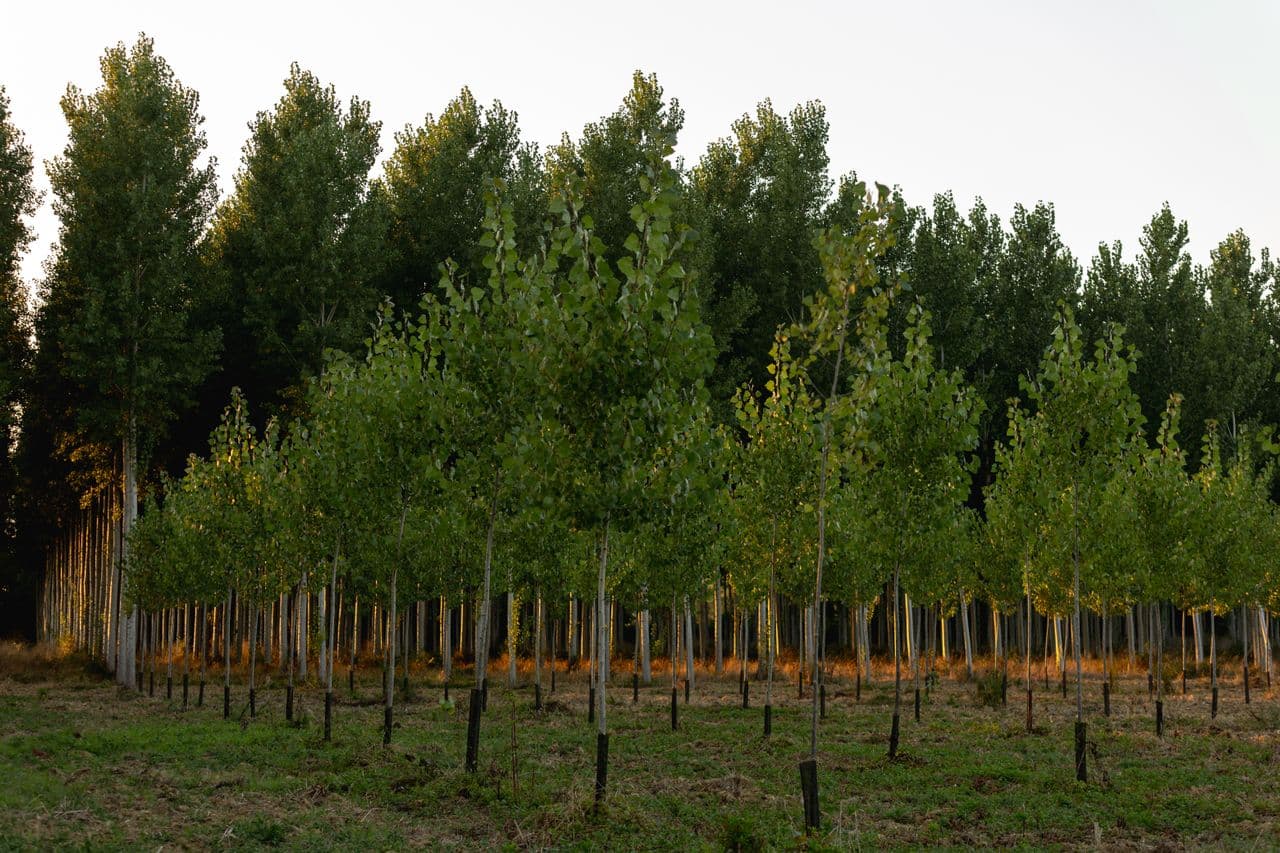
Separately from the LEAP assessment, the company initiated the restoration of 16 hectares at Fazenda Campinho in Bananal, São Paulo State, within the Atlantic Forest biome. Work began in 2026 on areas previously occupied mainly by Brachiaria pasture and, in some areas, secondary shrub vegetation. The project is in the vegetation-establishment phase. (1)
Restoration activities include soil preparation, control of invasive vegetation and leaf-cutting ants, fertilization, and planting native Atlantic Forest species from different ecological groups. Monitoring currently covers seedling development, mortality, competing vegetation, leaf-cutting ants, and natural regeneration. Additional enrichment planting is planned. The restoration work is carried out under the Florestas do Futuro Program, coordinated by the SOS Mata Atlântica Foundation, with specialized technical support for implementation, monitoring, and verification. (1)
Social
No separate social outcome was quantified as part of this initiative.
Business Impact
Benefits
The work connects nature-related dependencies, impacts, risks and opportunities to investment decisions and corporate governance. The company's strong collaboration across sustainability, environment, operations, risk, strategy and finance teams, combined with early involvement of C-suite leaders, helped translate technical assessment results into business-relevant financial metrics. Identified risks can affect capital expenditure, operating expenditure, net present value and operational continuity. The company incorporates the findings through financial metrics, including net present value and total shareholder return, value-at-risk simulations, risk appetite and regulatory conditions. Nature indicators are integrated into the budget cycle, and access to sustainable finance instruments. (1)
Costs
The initiative requires internal staff time, mapping and operational data, technical expertise and assessment support. Nature-related risks may increase capital and operating expenditure, while environmental costs are internalized into operating expenditure. Cost and effort depend on portfolio scale, data availability, assessment depth, and the design of measures such as drainage, fauna crossings, fire monitoring, restoration and offsets. Integrating indicators into the normal budget cycle helps compare these costs with financial risk, regulatory requirements, and operational continuity.
Implementation
Typical Business Profile
This approach is most relevant to transportation, mobility and other infrastructure operators with geographically distributed assets. It can support sustainability, environment, enterprise risk management, operations, procurement and strategy teams in companies beginning or expanding nature-related assessments. It is particularly applicable where assets intersect sensitive ecosystems, biodiversity priority areas, protected areas, Indigenous lands or important water resources, and where companies are preparing to integrate findings into decision-making and TNFD-aligned disclosure.
Approach
Define the business decision and scope. Link the assessment to risk management, resilience, disclosure readiness and existing nature commitments. Define the assets, geography, assessment boundary, decision owner and expected outputs.
Locate assets and nature interfaces. Georeference the asset portfolio and screen proximity or interaction with biodiversity priority areas, protected areas, Indigenous lands and water resources. Record dataset dates and limitations.
Evaluate dependencies and impacts. Compile operational dependencies on water, drainage, soil stability and biodiversity, and impact data such as vegetation suppression, fauna roadkill, landfill waste and accidental pollution. Define indicators and evidence owners.
Validate with business units. Use operational data and local asset knowledge to test and correct portfolio-level screening. Document corrections and retain an audit trail for expert judgement.
Assess risks and opportunities. Translate dependencies and impacts into physical, regulatory, financial, operational and reputational risks. Apply consistent criteria to prioritize issues and identify opportunities.
Prepare, prioritize and integrate. Assign actions, owners, budgets, indicators and timelines. Use financial and risk criteria to prioritize measures and integrate approved priorities into governance, risk and budgeting processes.
Stakeholders Involved
Project lead: sustainability and environmental management functions coordinated the assessment and disclosure work, acting as the bridge between technical analysis and business decision-making.
Company functions: operations teams supplied asset-level knowledge and data; procurement contributed where dependencies or supplier engagement were relevant; finance helped connect risk findings to financial metrics and budgeting; risk and strategy functions supported integration into decision-making.
Senior leadership: early involvement of C-suite leaders helped align the assessment with capital allocation, operational continuity, risk appetite and disclosure priorities.
Main providers: specialized technical advisers supported geospatial analysis, methodology adaptation and interpretation.
Other stakeholders: business units reviewed screening results and helped calibrate them against local operating conditions.
Together, these stakeholders combined technical analysis, local operational knowledge and financial decision-making to validate results, prioritize actions and embed nature-related findings into governance, budgeting and resilience planning.
Key Parameters To Consider
Assessment maturity: begin with portfolio screening, then increase resolution as data and internal capacity improve.
Data quality: validate global datasets against local asset and operational information.
Portfolio diversity: adapt methods across roads, rail and other mobility infrastructure where relevant.
Governance: define how findings enter risk registers, investment decisions and disclosure processes.
Geographic sensitivity: account for local ecological and social context when interpreting screening results.
Data refresh: define how often datasets and asset assessments will be updated.