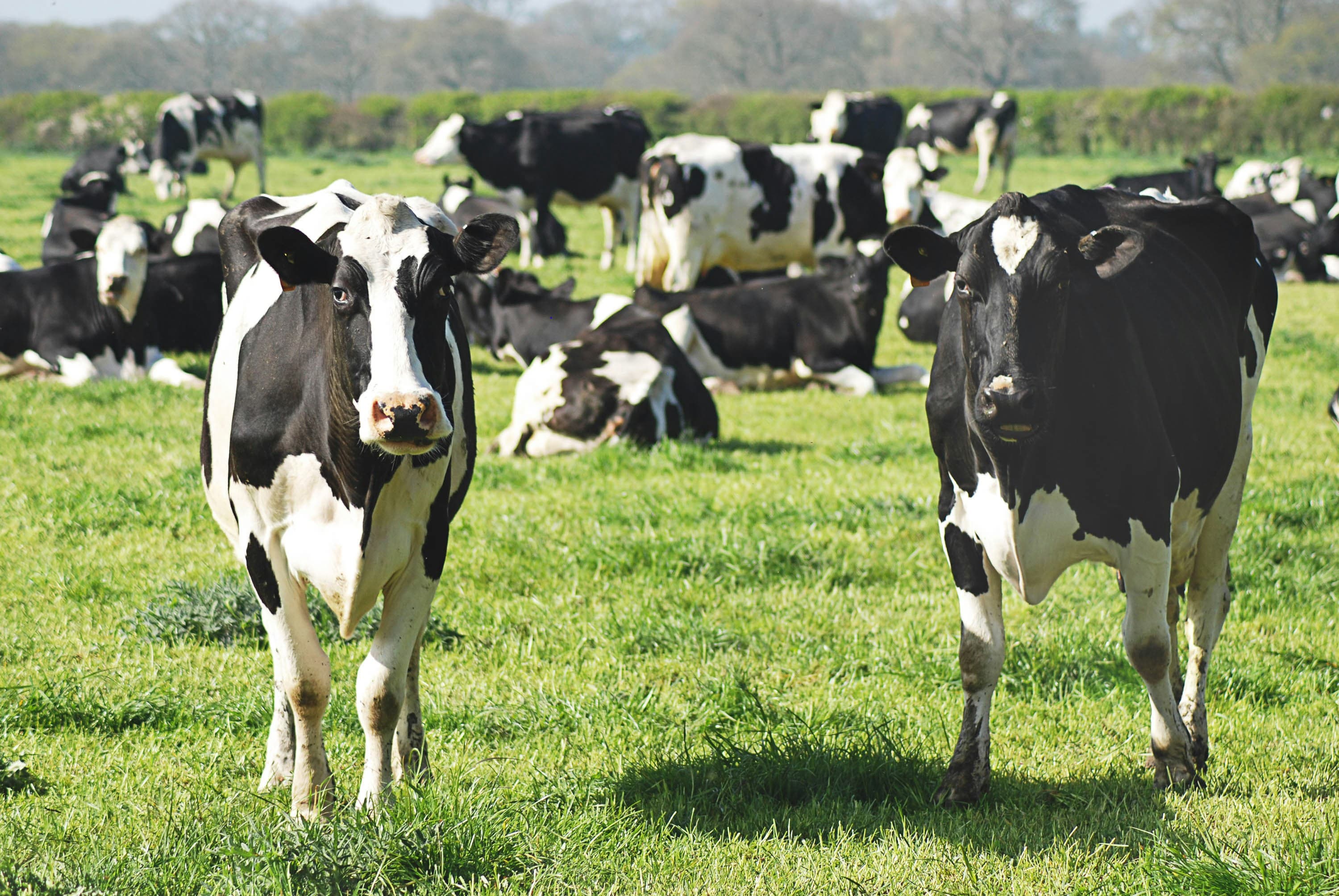
Strengthen beef traceability to prevent deforestation
 Carrefour
 CEBDS
CEBDSSummary
Implemented full traceability and satellite monitoring of beef suppliers to mitigate deforestation, manage climate risk, and improve socio-environmental compliance.
Context
Livestock farming is a primary driver of deforestation in the Amazon and Cerrado, resulting in significant GHG emissions and biodiversity loss. To manage climate and supply-chain risks, the company prioritized supplier traceability as a core strategy. The goal was to prevent sourcing from areas associated with illegal deforestation and improve transparency across all biomes in which suppliers operate.
Location of the initiative: Brazil
Solution
The company implemented a comprehensive traceability and monitoring system for beef suppliers, focused on preventing deforestation and mitigating climate risk. The initiative included:
Satellite monitoring of 100% of active supplier meatpacking plants
Monitoring of direct supplying farms across all biomes
Integration of additional tools for socio-environmental risk analysis, including Alerta Mapbiomas
Establishment of governance structures and supplier protocols to support continuous compliance and improvement
This system created full visibility over direct farm origins, enabling the company to identify, address, and mitigate deforestation-related risks in its supply chain.
Impact
Sustainability Impact
Climate
The initiative targets Scope 3, Category 1 (Purchased Goods and Services) and Category 15 (Investments) by reducing deforestation-related emissions associated with livestock production. Expected climate impact includes reduced GHG emissions from avoided deforestation through enhanced monitoring, early risk detection, and supplier compliance protocols.
Nature
By identifying deforestation risks and blocking non-compliant suppliers, the initiative helps prevent forest loss across key Brazilian biomes, contributing to biodiversity conservation, preservation of native vegetation, and reduced habitat fragmentation.
Social
The initiative improves supplier accountability and contributes to more transparent livestock supply chains. It also strengthens partnerships with regional stakeholders, supporting sustainable livestock production practices.
Business Impact
Benefits
Reduced supply chain and reputational risk
Improved compliance with socio-environmental standards
Strengthened stakeholder trust through transparent data disclosure
More resilient sourcing from verified farms
Costs
Costs include investment in satellite monitoring systems, development of automated interfaces with meatpacking plants, and governance structures. Dependencies include:
Availability and quality of satellite data
Supplier willingness to comply with protocols Cost efficiencies are achieved by centralizing monitoring, automating data transmission, and prioritizing risk-based analysis.
Implementation
Typical Business Profile
Most relevant for:
Retailers sourcing beef or other deforestation-risk commodities
Companies with large agricultural supply chains
Organizations operating in regions with high land-use change risks
Businesses early–mid maturity on deforestation, traceability, and nature-positive goals
Approach
Establish governance: Create a Forest Committee with external experts and senior leaders to guide the agenda, update the Beef Purchasing Policy, and define targets.
Implement supplier protocols: Develop socio-environmental criteria for meatpacking plants and require adherence via updated purchasing policy.
Integrate automated data flows: Build an interface with meatpacking plants to receive direct farm origin information for each meat batch.
Conduct satellite monitoring: Monitor 100% of active meatpacking plants and all direct supplying farms using satellite imagery and double-check verification.
Apply compliance measures: Block non-compliant suppliers, implement corrective actions, and update monitoring protocols as risks evolve.
Expand coverage across biomes: Extend monitoring beyond the Amazon, becoming the first retailer to monitor farms in the Cerrado and expand to other biomes.
Incorporate additional tools: Integrate Mapbiomas Alert to reduce analysis time gaps and improve accuracy.
Publish transparency data: Share monitoring results publicly to engage stakeholders and civil society.
Stakeholders Involved
Project Leads: Sustainability and responsible sourcing teams
Company Functions: Procurement, operations, compliance, IT
Main Providers: Meatpacking plants supplying beef batches
Others: External experts in the Forest Committee; civil society platforms such as Mapbiomas; regional government partners
Key Parameters to Consider
Initiative maturity: Established monitoring technologies; evolving protocols
Timeline: Multi-year implementation with continuous enhancement
Lifetime: Long-term initiative embedded into supply chain management
Technical prerequisites: Access to satellite imagery; automated data systems; supplier cooperation
Regulatory context: Regional environmental governance, state-level programs supporting sustainable livestock
Geographic specificities: Different deforestation pressures across biomes
Implementation and Operations Tips
Establish strong governance early to drive cross-functional alignment.
Automate data flows wherever possible to reduce manual workload and increase accuracy.
Engage suppliers proactively to build understanding of socio-environmental requirements.
Use multiple independent tools (e.g., Mapbiomas Alert) to double-check satellite data.
Publish transparent data to strengthen trust and maintain accountability.
Continuously adapt protocols to evolving deforestation dynamics across biomes.