Turn industrial campuses into biodiversity-positive sites
 Siemens Sanayi ve Ticaret A.Ş.
 SKD Türkiye
Summary
Two industrial campuses are managed as habitats, with native planting, water-efficient landscaping, permeable surfaces and fauna protection written into maintenance contracts.
Context
Submitted through the COP31 Sustainable Transformation Awards · SKD Türkiye (WBCSD Global Network Partner)
Siemens Sanayi ve Ticaret A.Ş. is the Turkish organisation of an industrial technology group, operating manufacturing and office campuses in an intensely urbanised and industrialised corridor around the Sea of Marmara.
Campus grounds in that setting are normally managed for two things only: operational safety and appearance. Irrigation is set for the lawn, pesticides are chosen for the fastest result, planting follows landscaping convention rather than local ecology, and the site's contribution to the surrounding ecosystem is neither measured nor discussed. Under urbanisation and industrial pressure, sites managed that way become ecological gaps in the landscape.
Work began in 2017, when the real estate management function launched the Kartal campus renewal to plan the site around sustainability, make working and social areas more efficient, and support work-life balance. What started as a single-site project became a standing practice and was scaled to the Gebze campus through Phase 1 and Phase 2 developments.
The objective is to manage industrial and office grounds as living ecosystems rather than as operational locations, treating water and energy efficiency, ergonomics, local flora and fauna and soil protection as one set of decisions. None of the measures is required by law.
The baseline for the practice is the 2017 Kartal transformation; the baseline for systematic biodiversity measurement is the 2024-2025 assessment period.
Location of the initiative: Kartal, Istanbul and Gebze, Kocaeli, Türkiye
Solution
The approach converts landscape maintenance into habitat management, and it does so across two campuses with different climates and soils, which is what gives the model its transferability.
Planting is selected for the site rather than for the catalogue. Endemic and climate-adapted trees and shrubs, xeriscaping and low-water species reduce irrigation demand, and species are labelled in both Turkish and Latin so that the grounds function as a reference for the people who work in them.
Water is handled as a landscape design question. Timed drip and sprinkler irrigation replaces open watering, permeable surfaces and erosion control measures keep rainfall on site instead of routing it into drains, and rainwater is used for irrigation where it is collected.
Fauna protection is explicit rather than incidental. Bird nesting boxes and shelters for cats and dogs are installed, film is applied to glass facades to prevent bird collisions, pesticide applications that would repel or harm birds are avoided, and artificial ponding provides water sources.
The two campuses carry different profiles. At Kartal, the grounds outside the buildings cover 45,000 m2 of landscape area, of which 9,358 m2 is planted green area supporting around 300 trees from some 60 species and 1,500 shrubs from 25 species, on a campus that also runs on 100 per cent green electricity. At Gebze, 28,000 m2 of irrigated landscape sits alongside areas deliberately left to natural habitat, including undisturbed zones for migrating storks, with 20 tree species and 15 shrub species recorded.
Measurement is what distinguishes the model from good landscaping. The group's biodiversity assessment tool, environmental protection, health management and safety records, site observations, maintenance supplier meetings and the water, biodiversity and waste indicators of the Global Reporting Initiative used in the sustainability report together provide the evidence base.
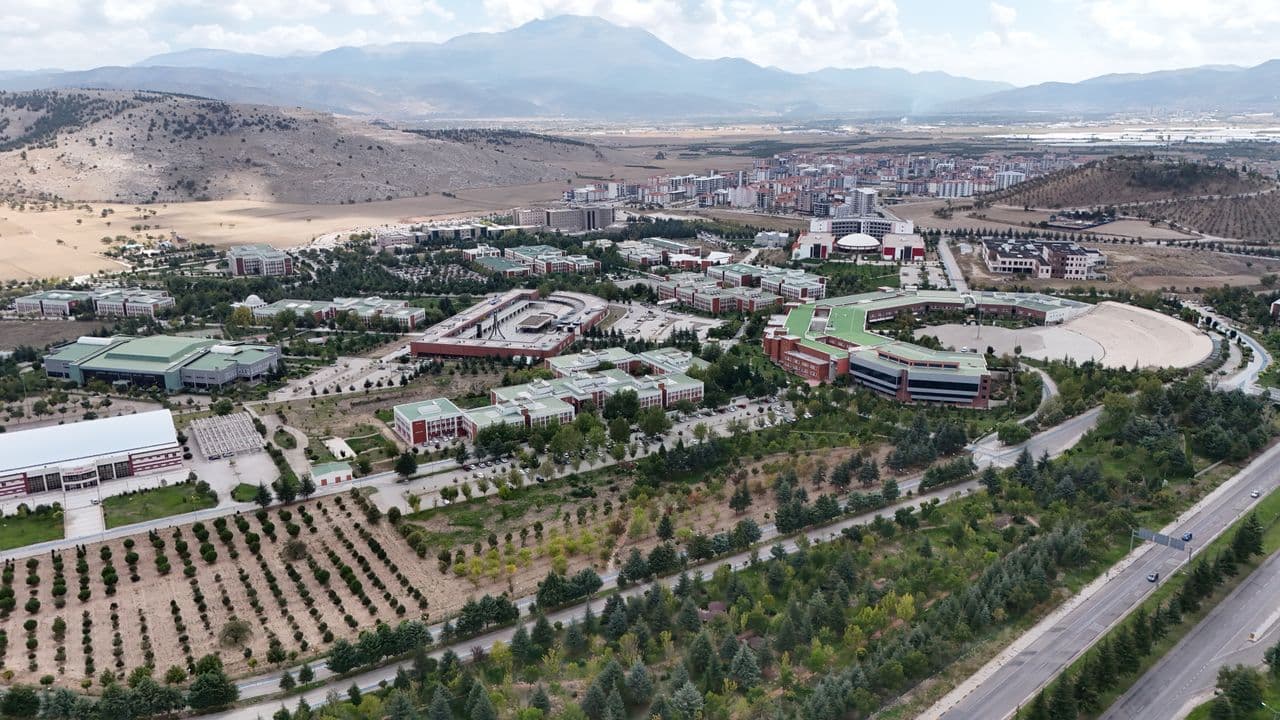
Figure 1: Fauna measures on the campuses: bird nesting boxes, shelters and habitat areas maintained as part of routine landscape management.

Figure 2: Landscape and plant diversity on the campuses, including mature trees, mixed planting and the shaded outdoor areas used by employees.

Impact
Sustainability impact
Climate
The initiative is a nature intervention rather than an emissions reduction measure, but it carries two climate connections that are reported, both anchored to the same measurement cycle as the biodiversity work.
The Kartal campus operates on 100 per cent green electricity, which addresses Scope 2 emissions from purchased electricity. The practice dates from the 2017 campus transformation and the systematic measurement baseline is the 2024-2025 assessment period, and carbon and energy effects associated with the campuses are tracked with the emissions data reported corporately under the Greenhouse Gas Protocol approach.
The second connection is adaptation rather than mitigation. Permeable surfaces, erosion control, climate-adapted planting and rainwater use increase the resilience of the campuses to heavier rainfall and to drought, which is the physical climate risk the sites are actually exposed to. Under global company policy the assessment tool is completed at each site every year, action plans are set from the results, and those actions are to be completed by 2030, so the adaptation measures run to a fixed delivery horizon rather than an open one.
Nature
Biodiversity is measured, not assumed. The group's biodiversity assessment tool is completed at each site every year under global company policy, results are converted into action plans, and the actions are tracked to completion by 2030.
At Kartal, the landscape area outside the buildings covers 45,000 m2, which includes hard surfaces, roads and outdoor social areas; 9,358 m2 of that is planted green area, supporting around 300 trees from some 60 species and 1,500 shrubs from 25 species, with timed drip and sprinkler irrigation, xeriscaping, bird nesting boxes, shelters for cats and dogs, and the avoidance of pesticide applications that would repel or harm birds.
At Gebze, 28,000 m2 of irrigated landscape is combined with areas left to natural habitat, rainwater use, artificial ponding, erosion control and fauna protection. The assessment tool records 20 tree species and 15 shrub species supporting habitat on that site.
The clearest measured fauna outcome is bird collision. Strikes against the Gebze building facades were a recurring event; after the application of film to the glass, recorded incidents fell to 2 cases across six years.
The assessment results also direct the next investment. Gebze scores at low impact level on the assessment tool, while at Kartal rainwater management has been identified as a development area and placed in the investment plan rather than noted and left.
Resource use across the company supports the same direction: water consumption fell from 76,856 m3 in 2024 to 73,769 m3 in 2025, 715 tonnes of waste were recovered, and the recycling rate reached 99.6 per cent (1).
Social
The campuses are workplaces before they are habitats, and the nature work is used to improve the experience of the people on them. The workplace wellbeing score in the Turkish organisation was measured at 81 against a target of 80, and a Happy Place to Work certification supports the same people-centred campus culture.
Employees have a direct route into the work. Feedback can be submitted through the real estate management help desk, and biodiversity day communications, tree labelling in Turkish and Latin, clean-up events and a rota for feeding and watering the animals living on the campuses turn the grounds into something staff participate in rather than walk past.
A volunteering community and a biodiversity committee act as internal advocates on animal welfare and raise awareness across the sites.
The effect extends beyond the fences. In collaboration with a regional forestry foundation, more than 16,000 saplings have been donated in the names of employees joining the company and of those marking service anniversaries.
Business impact
Benefits
The direct saving is water. Timed drip and sprinkler irrigation, xeriscaping, low-water species and the use of collected rainwater reduce the irrigated demand that a conventional landscape specification would create, and permeable surfaces and erosion control reduce the surface repair and drainage work that follows heavy rainfall. Across the company, water consumption fell from 76,856 m3 in 2024 to 73,769 m3 in 2025, and 715 tonnes of waste were recovered at a recycling rate of 99.6 per cent.
The second benefit is supplier performance. Because irrigation, pruning, pest control, fertiliser use and daily maintenance are specified against biodiversity criteria in the technical specification and the contract, the standard is enforceable rather than aspirational, and maintenance quality is inspected against it at monthly meetings.
Fauna measures avoid recurring cost as well as harm. Anti-collision film reduced bird strikes at the Gebze facades to 2 recorded cases in six years, which removes the cleaning, glass damage and incident handling that each strike generates.
The evidence base has reporting value. Annual completion of the biodiversity assessment tool and the water, biodiversity and waste indicators of the Global Reporting Initiative provide the data required for corporate reporting without a separate data collection exercise, and the wellbeing score of 81 against a target of 80 links the grounds to the employee experience measures that senior management already tracks.
Costs
The capital cost covers irrigation automation, rainwater collection and use, permeable surfacing, erosion control works, anti-collision film for the glass facades, nesting boxes and animal shelters, and the planting itself, which at Kartal amounts to around 300 trees and 1,500 shrubs.
The recurring cost is a higher maintenance specification. Avoiding pesticides that harm birds, pruning to a habitat standard and irrigating to a timed schedule take more supplier time than conventional grounds maintenance, and the monthly facility management meetings and site observations that verify the standard consume internal time in environmental protection and real estate management.
The measurement itself is a cost. Completing the biodiversity assessment tool annually at each site, converting the results into action plans and tracking those actions to 2030 is a continuing commitment, not a one-off survey.
Gaps found by the assessment carry future cost. Rainwater management at Kartal has been identified as a development area and taken into the investment plan, so the assessment cycle generates capital requirements as well as confirming progress.
Costs are contained by embedding the work in the real estate management budget and in maintenance contracts already in place rather than funding a separate biodiversity project, and by moving proven measures between the two campuses instead of designing each site from scratch.
Impact beyond sustainability and business
Co-benefits
The two campuses form a learning loop. The bird nesting box and rainwater harvesting approach developed at Gebze was carried to Kartal, while the xeriscaping, permeable surface and awareness practices from Kartal complement the natural habitat and erosion control work at Gebze. Because the sites have different climates and soils, the combination produces knowledge that neither would generate alone.
The standard travels through the supply chain. The facility management provider has applied practices developed on these campuses at another manufacturing client's site, which spreads the approach through the provider's own operating model rather than through the company's influence.
Species labelling in Turkish and Latin, biodiversity day communications and the volunteering activities raise nature literacy among employees, an effect that is not confined to the workplace.
Sapling donations of more than 16,000 through a regional forestry foundation extend the impact to land the company does not own.
Potential side-effects
The main risk identified is replication by copying. The measures work because they were selected for the specific climate, soil, infrastructure and resident species of each site; applied unchanged elsewhere, the same specification can fail or cause harm. Each location therefore has to run its own assessment before adopting the measures.
Avoiding pesticides that repel or harm birds narrows the options for pest control and requires alternative methods and greater tolerance of some species, which has to be agreed with the maintenance provider and with the site users in advance.
Artificial ponding, feeding and watering of campus animals create dependencies. Once established they have to be maintained consistently, because interrupted provision is worse for the animals concerned than never having provided it.
The assessment result at Gebze is already at low impact level, which means further gains at that site are incremental. Sites starting from a similar position should expect the measurable improvement to be smaller than at a site being converted from conventional landscaping.
Transferable measures are not universal. Bird collision prevention on glass buildings, nesting boxes, employee awareness, non-harmful maintenance methods and feedback mechanisms move well between campuses; planting palettes and irrigation regimes do not.
Implementation
Typical business profile
The model fits organisations that own and operate industrial or office campuses with significant grounds, particularly sites in urbanised or industrial zones where the surrounding habitat is already fragmented and the campus represents one of the few remaining green areas.
It is most applicable where grounds maintenance is outsourced, because the mechanism that makes the practice permanent is the technical specification and contract clause rather than the goodwill of a site manager.
Delivery engages real estate management, environmental protection, health management and safety, location managers and supervisors, and the facility management provider, working to a monthly site meeting cycle and an annual assessment and reporting cycle.
Approach
Give campus nature an accountable owner: Place responsibility with the real estate management function so that campus planning, landscape decisions, maintenance budgets, infrastructure needs, supplier management and improvement actions are decided in one line rather than across several.
Measure before changing anything: Complete a structured biodiversity assessment at each site, recording species, habitat, green and permeable area, irrigation practice and fauna presence, and set that assessment period as the measurement baseline.
Select species for the site, not the catalogue: Use endemic and climate-adapted trees and shrubs matched to local soil and rainfall, apply xeriscaping where irrigation demand is highest, and label species in the local language and in Latin so that the planting is legible to site users.
Convert irrigation to demand-matched systems: Replace open watering with timed drip and sprinkler irrigation, collect and use rainwater, install permeable surfaces and erosion control, and leave suitable areas as undisturbed natural habitat rather than irrigating the whole site.
Protect fauna as a design requirement: Install nesting boxes and animal shelters, apply film to glass facades where bird collisions occur, avoid pesticide applications that repel or harm birds, and provide water sources such as artificial ponding.
Write nature requirements into the maintenance contract: Bind subcontractors through technical specifications and contract clauses covering irrigation, pruning, pest control, fertiliser use and daily maintenance, so that natural resource protection is an enforceable obligation rather than a preference.
Open a two-way employee channel: Take feedback through the facilities help desk, and run biodiversity day communications, species labelling, clean-up events and a feeding and watering rota so that employees contribute observations as well as effort.
Move proven measures between sites: Transfer measures that have worked at one campus to the other, adapting for climate and soil, so that each site starts from the other's experience instead of from zero.
Close the annual loop: Complete the assessment tool every year, convert the results into dated action plans with completion by 2030, verify delivery through monthly facility management and maintenance supplier meetings, and report through annual sustainability reporting.
Stakeholders involved
Project leads: Senior management in the Turkish organisation owns the global sustainability approach that the work sits within, and sustainability priorities are reviewed at that level on a regular cycle. Operational responsibility on site sits with the real estate management function, which runs campus planning, landscape decisions, maintenance budgets, infrastructure requirements, supplier management and improvement actions. Placing the work in that function is what moved it from a voluntary practice dependent on individuals to a permanent part of campus management.
Company functions: Environmental protection, health management and safety teams include biodiversity in environmental aspect assessments, which is the mechanism that gives habitat and fauna the same standing as other environmental impacts in site decision-making. Location managers and supervisors carry out irrigation, pruning and maintenance oversight together with the provider, and conduct the site observations that feed the assessment. The three functions meet the provider monthly, so findings from the field are converted into maintenance actions within the same cycle.
Main providers: A facility management provider carries out irrigation, pruning, pest control, fertilising and daily maintenance. The provider works to technical specifications and contract clauses that commit it to protecting natural resources and strengthening biodiversity, and its performance is reviewed at regular site meetings with real estate management. The relationship works in both directions: the provider has applied practices developed on these campuses at another manufacturing client's site, which spreads the standard through the provider's own operating model.
Other: A regional forestry foundation delivers the sapling donation programme, through which more than 16,000 saplings have been donated in the names of employees joining the company and marking service anniversaries. An employee volunteering community and a biodiversity committee act as internal advocates on fauna welfare and awareness. Employees submit observations and requests through the real estate management help desk, and those submissions are converted into site actions through the regular meetings between real estate management and the maintenance provider.
Key parameters to consider
The practice has run since 2017 at Kartal and was extended to Gebze through Phase 1 and Phase 2 developments; the systematic biodiversity measurement baseline is the 2024-2025 assessment period, which is more recent than the practice itself.
Five indicators are tracked: 1. the biodiversity assessment result; 2. the size of green and permeable area; 3. the number of native or climate-adapted plant species and habitats; 4. the area of water-efficient and rainwater-supported landscape; 5. fauna protection, employee awareness and campus life indicators.
Data comes from the 2024-2025 biodiversity assessments, site maintenance records, monthly facility management and maintenance supplier meetings, and annual sustainability reporting. Under global company policy the assessment tool is completed every year, action plans are set from the results, and the actions are to be completed by 2030.
The two campuses differ in climate and soil, which sets the main technical constraint: the species palette and irrigation regime are site-specific and cannot be transferred unchanged, while the fauna, awareness and contracting measures can.
The two Kartal area figures measure different things: 45,000 m2 is the total landscape area outside the buildings, including hard surfaces, roads and outdoor social areas, while 9,358 m2 is the planted green area within it.
Implementation and operations tips
Putting the work in the real estate management line is what made it permanent. As long as biodiversity sits with volunteers, it competes with day-to-day priorities; once it sits in campus planning, budgets and supplier contracts, it survives changes of personnel.
The contract is the real control. Irrigation, pruning, pest control and fertiliser decisions are taken daily by the maintenance provider's staff, so unless biodiversity requirements are written into the technical specification, the site is managed to whatever standard the provider applies elsewhere.
Measure first and accept an unflattering result. A low impact score or an identified gap, such as rainwater management at Kartal, is more useful than a favourable general statement, because it converts directly into an investment line.
Run two sites rather than one if possible. Different climates and soils generate more transferable knowledge in the same period, and each site becomes a test bed for measures the other has not tried.
Separate the transferable from the site-specific before scaling. Glass collision prevention, nesting boxes, awareness activity, non-harmful maintenance methods and feedback mechanisms travel; planting palettes and irrigation regimes must be redesigned for each location.