Eylem Kütüphanesi (şu anda sadece İngilizce olarak mevcuttur)
A collection of high impact actions and recommendations from peers
If you want to move mountains, you must start by lifting stones.
Action Type
Quick Wins
Reviewed by
Sector
Action Area
Region

Identify Nature Dependencies Through Asset Geolocation
Map restaurant locations and screen surrounding ecosystems to help translate nature-related dependencies and risks into site-specific priorities and inform nature-related reporting.
 Grupo Restaurantero Gigante
Turn employee capability into local social value
Employees trained in social sustainability form working groups that design and run community and environmental projects at each site, tracked against corporate targets.
 Esas Properties

Turn heritage sponsorship into measurable social value
Multi-year support for an archaeological excavation combines physical conservation, academic research, visitor access and a measured carbon baseline for the site.
 Saya Holding
Turn student placements into an inclusive talent pipeline
Vocational school students train four days a week inside a working hospital under shared public, private and international governance, with progress tracked digitally.
 Rönesans Holding
Transform value chains through sustainable procurement
A sustainable procurement programme embeds ESG criteria into supplier management and audit, cutting 12,600 tonnes of CO2 a year across the supply chain.
 Brisa
Brisa
Digitise energy data to make carbon accounting verifiable
Energy consumption data behind Scope 1 and Scope 2 carbon calculations is centralised, automatically validated and traced, halving manual invoice handling time.
 VakıfBank
Replace menu navigation with a single device gesture
Frequently used mobile banking transactions are launched by shaking the handset, replacing multi-step menu navigation with one personalised gesture.
VakıfBank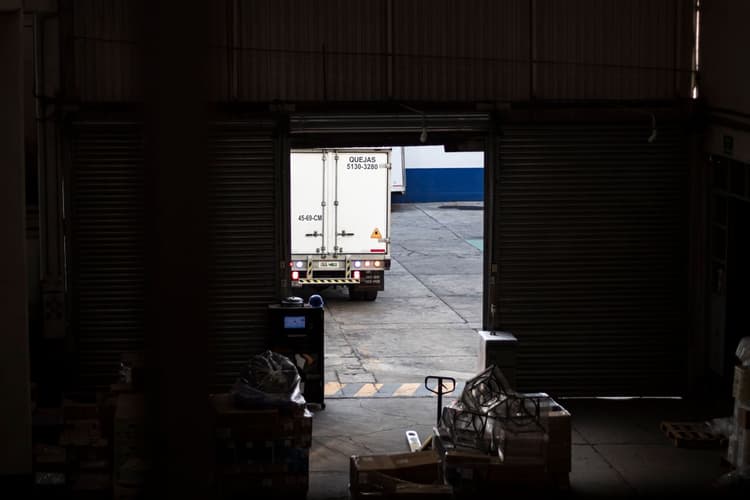
Make logistics carbon visible shipment by shipment
Each domestic shipment is given its own carbon figure, so freight decisions can be ranked by emission intensity instead of by cost and delivery time alone.
 Korozo Ambalaj
Turn barley straw into new circular value
Barley straw is transformed into a circular material through a locally rooted model that strengthens women’s cooperatives, supports earthquake recovery and sustainable production.
 Anadolu Efes Biracılık ve Malt Sanayii A.Ş.
Equip women entrepreneurs to build sustainable businesses
Women-led ventures receive training, mentoring, grant finance, media visibility and supplier network access in one pathway rather than as separate schemes.
 Alarko Holding
Turn a campus kitchen into a regional employment route
A holding group and a foundation built the region's first professional gastronomy teaching kitchen at a state university, and 82 students moved on to placements and jobs.
 IC Holding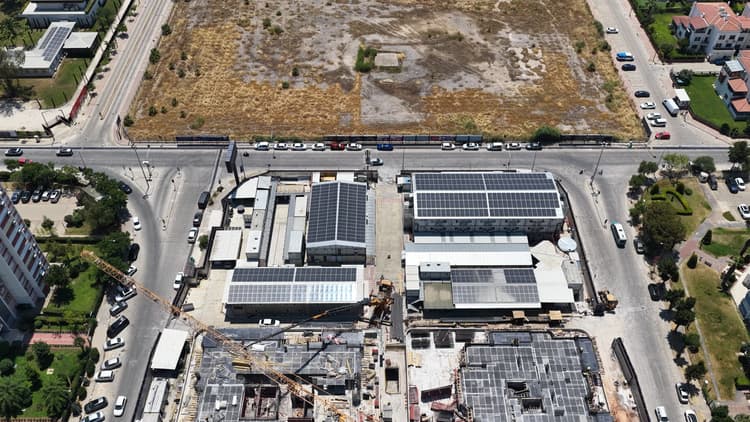
Reuse mobile solar plants across successive building sites
Solar plants installed at a construction site are dismantled when the project ends and rebuilt at the next one, so the same asset keeps displacing grid electricity.
Saya Holding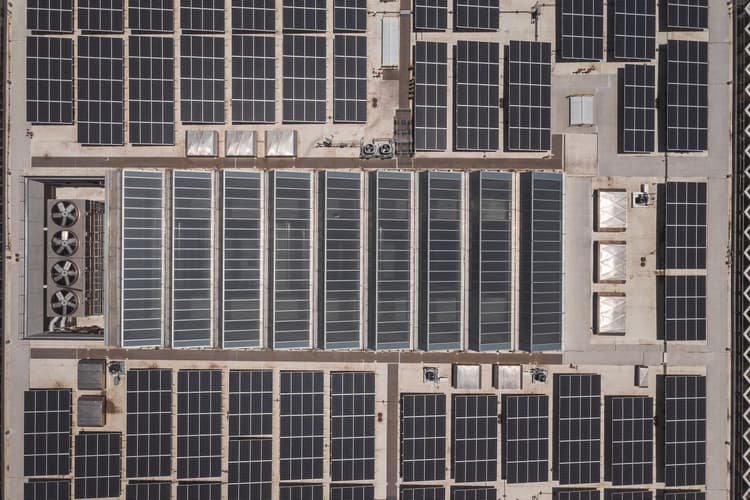
Fund rooftop solar to decarbonise retail property
Idle rooftops are converted into solar plants under an energy performance contract, meeting all common area electricity demand from renewables and lowering power costs.
Esas Properties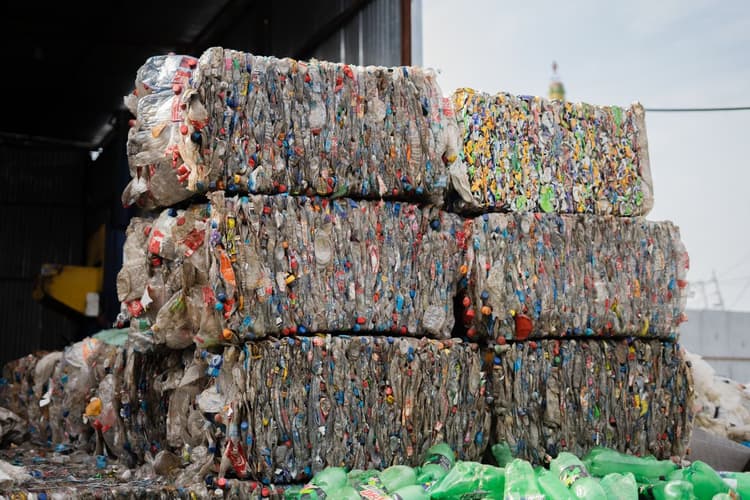
Turn post-consumer plastic waste into recyclable packaging
Household plastic waste re-enters hygiene packaging as certified recycled polyethylene, displacing virgin resin in a bag that stays recyclable as a single material.
Korozo Ambalaj
Recycle factory scrap into certified circular packaging
Polyethylene scrap from industrial production is reprocessed through a certified recycling route and used as 50% of the polymer in a recyclable mono-material PE hygiene bag.
Korozo Ambalaj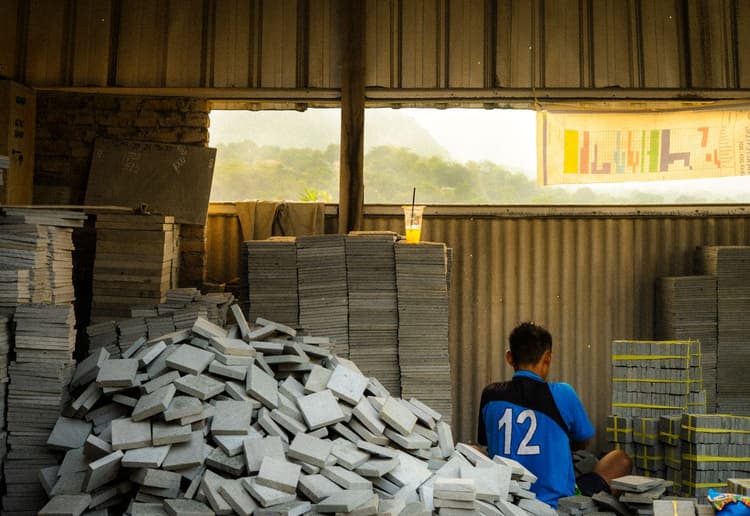
Decarbonise tile production with semi-wet granulation
Raising slip solids content before spray drying cuts the water that must be evaporated and lets waste replace critical minerals in porcelain tile bodies.
 Kaleseramik Çanakkale Kalebodur Seramik Sanayi A.Ş.
Score and coach suppliers to raise value chain maturity
Suppliers are segmented by risk, scored on environmental, social and governance maturity, then given actions, technical support and free training until the scores move.
 Kibar Holding A.Ş.
Open marketplace access to women-led micro-enterprises
Commission cuts, free logistics and structured training remove the barriers that keep women entrepreneurs and cooperatives out of digital marketplaces.
 hepsiburada
Reward sustainability performance in trade finance pricing
Businesses that pass a digital environmental, social and governance review receive lower merchant commission and cheaper early collection on guaranteed receivables.
VakıfBank
Structure a social loan to finance disaster rebuilding
A newly created public reconstruction fund reached international debt markets for the first time through a syndicated loan structured to social lending principles.
 Doğan Şirketler Grubu Holding A.Ş.
Power hotels with an off-site solar plant to cut emissions
An off-site solar plant matched to hotel demand through the national grid covers the electricity used by a resort group and turns it into a generator.
 Özaltın Otel İşletmeleri A.Ş.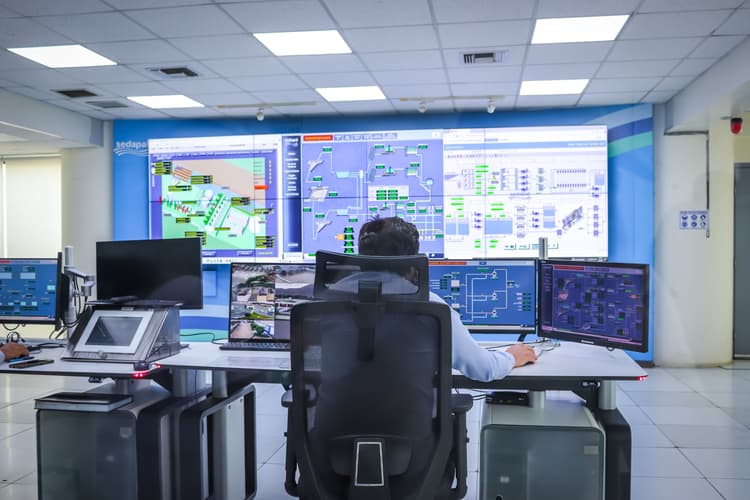
Optimise steam-to-carbon ratio to cut refinery emissions
An open-source optimisation model tunes the steam-to-carbon ratio of a refinery hydrogen unit, cutting fuel gas use and raising waste-heat steam recovery.
 SOCAR STAR Refinery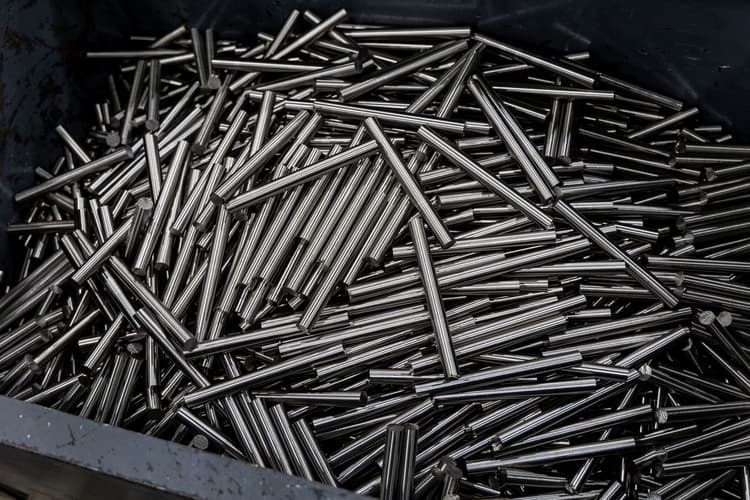
Decarbonise billet production with recycled aluminium
Billet cast from post-consumer scrap and renewable-powered primary metal cuts the product carbon footprint by about 60 per cent with no loss of mechanical strength.
 ASAŞ ALÜMİNYUM SAN. TİC. A.Ş.
Use swimming to include children with Down syndrome
Children with Down syndrome learn to swim in structured 16-week terms with specialist instructors, building water safety, confidence and social participation.
 Abdi İbrahim
Build disaster resilience into shopping centre operations
Earthquake and disaster preparedness is run as one management system covering life safety, buildings, critical operations, technology and service providers.
Esas Properties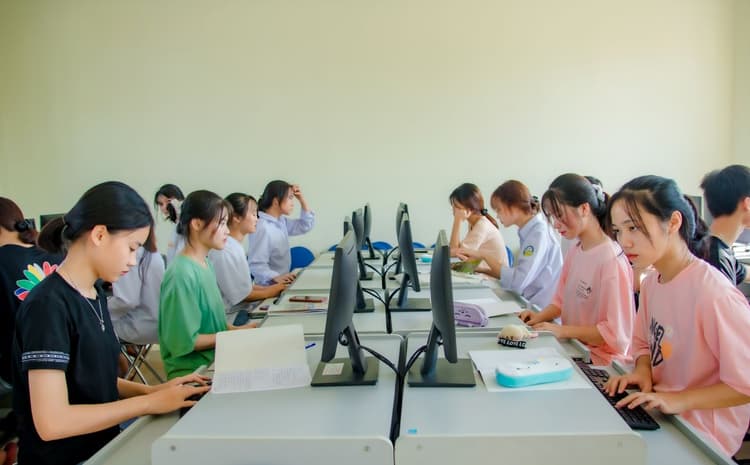
Build financial resilience among young people
Financial literacy is taught as risk management and long-term planning, in classrooms and online, so that young people can absorb economic, climate and technological shocks.
 Allianz Türkiye
Accelerate agri-tech ventures to transform food systems
An eleven-month acceleration programme paired corporate mentors with women-led agri-tech ventures, strengthening business models and opening a direct route to investment review.
 Nurol Holding A.Ş.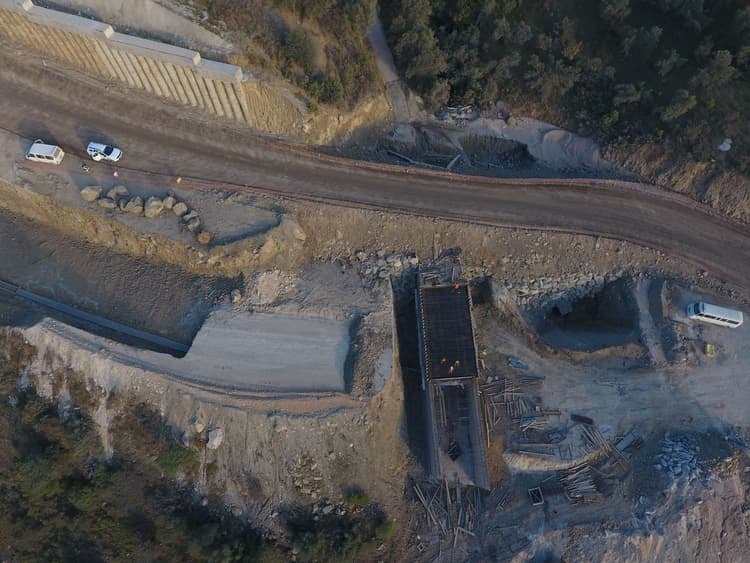
Protect new endemic species found on infrastructure sites
Two plant species new to science, found during railway biodiversity surveys, are protected in place through habitat exclusion, seed collection and long-term monitoring.
Rönesans Holding
Replace fossil plastics with compostable maize resin
A biodegradable polymer made from maize starch runs on existing plastic processing machinery, letting converters replace fossil-based resin without new equipment.
 Sunar NP Kimyevi Maddeler Plastik Ambalaj San. Tic. Ltd. Şti.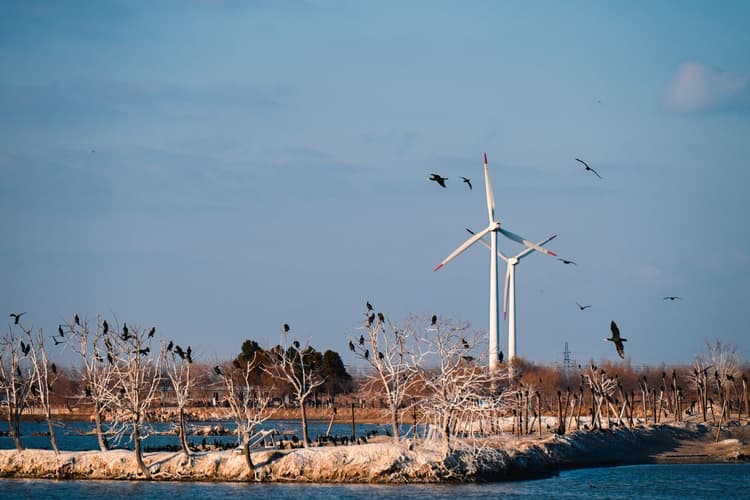
Monitor birds and bats to make wind power nature positive
Bird and bat monitoring on a migration route feeds a command-based turbine shutdown protocol, so collision risk is managed while clean generation continues.
 Fiba Yenilenebilir
Use TNFD to Integrate Nature into Business Strategy
Applied a TNFD-aligned approach to assess nature-related dependencies, impacts, risks and opportunities across 26 global assets.
 Yinson Holdings Berhad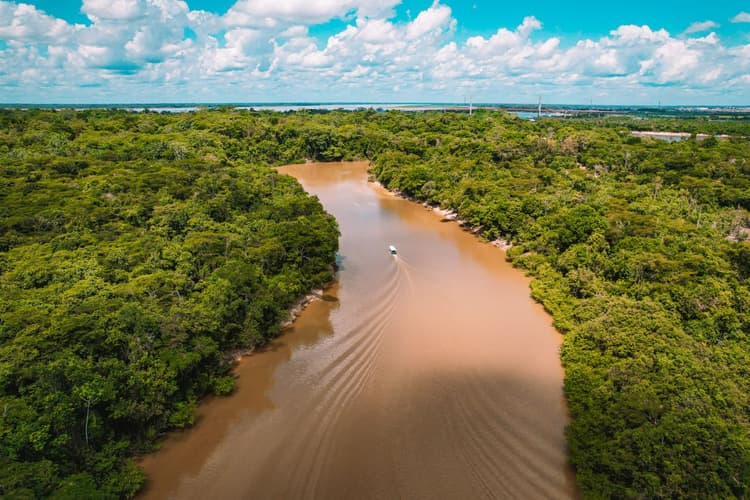
Integrate climate and nature into business strategy
An integrated strategy that embeds net-zero, nature and climate resilience into governance, investment, risk management and operations.
 AXIA Energia

Use nature data to guide regenerative action
A nature assessment combines location, footprint and value data to prioritize sites, materials, suppliers and risk actions for transition planning and regenerative action.
 Natura
Map and prioritize nature risk in a credit portfolio
A national bank piloted a structured approach to locate, assess and analyse nature-related risks across its commercial corporate portfolio, prioritising the most exposed sectors and biomes.
 CAIXA Economica Federal
Assess nature risks across agricultural supply chains
A four-phase assessment that identifies and prioritizes nature-related dependencies, impacts, risks and opportunities across agricultural supply chains.
 Olam Agri
Prioritize Nature Risks Across Mobility Assets
A nature-risk assessment combines geospatial and operational data to prioritize mobility assets and integrate biodiversity into risk management and disclosure.
 Motiva
House families near hospitals so treatment is not missed
Children who travel for cancer treatment stay free of charge with their families in a guest house near the hospitals, with schooling and psychosocial support on site.
Abdi İbrahim
Digitise greenhouses to cut water and fertiliser use
Greenhouse sensors, artificial intelligence and water recovery systems cut water, fertiliser and energy use while keeping production stable under climate stress.
 Alarko Agriculture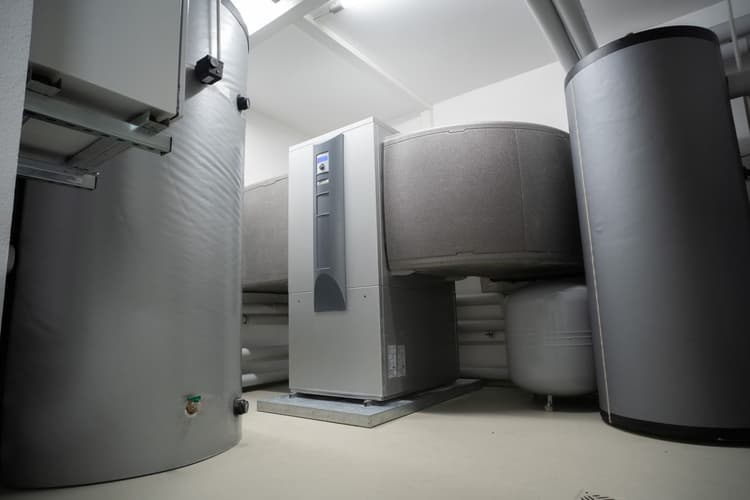
Recover waste heat to decarbonise process heating
Waste heat from ammonia refrigeration is lifted by an industrial heat pump into high-temperature process energy and reused in wort production, displacing fuel.
 Türk Tuborg Bira ve Malt Sanayi A.Ş.
Cut microfibre release at source in denim finishing
Graphene nanoplatelets are fixed into denim so the fabric sheds fewer microfibres in the wash, resists abrasion for far longer and needs washing less often.
 Çalık Denim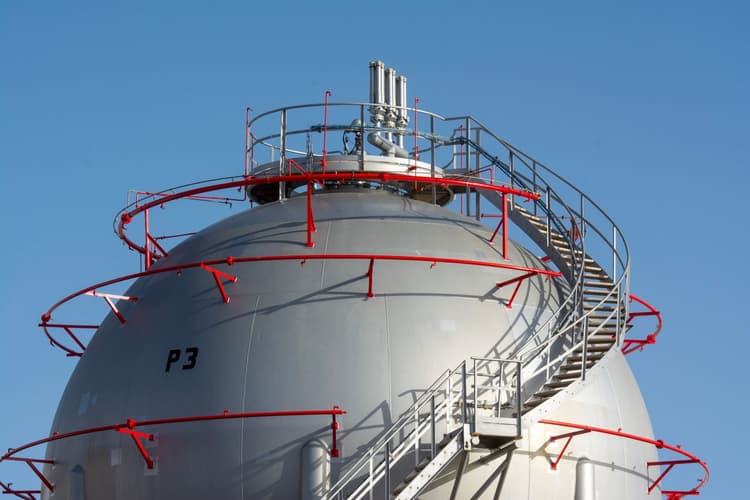
Turn organic factory waste into renewable biomethane
Organic production waste is anaerobically digested and upgraded to 99 per cent pure biomethane, replacing natural gas on food production lines.
 PepsiCo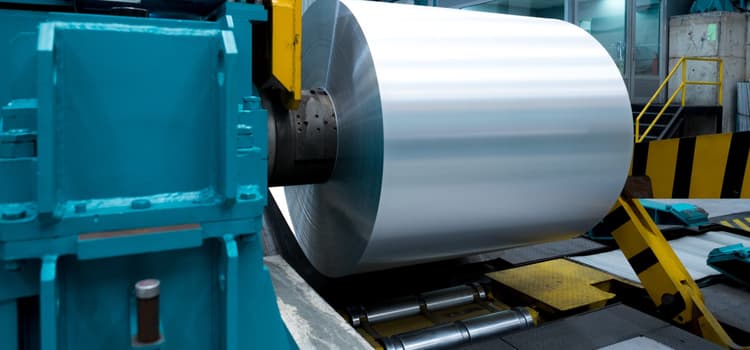
Redesign an alloy around recycled metal to cut carbon
A widely used rolled aluminium alloy was reformulated to run on more than 95 per cent recycled metal, cutting its verified cradle-to-gate footprint by around 83 per cent.
 Assan Alüminyum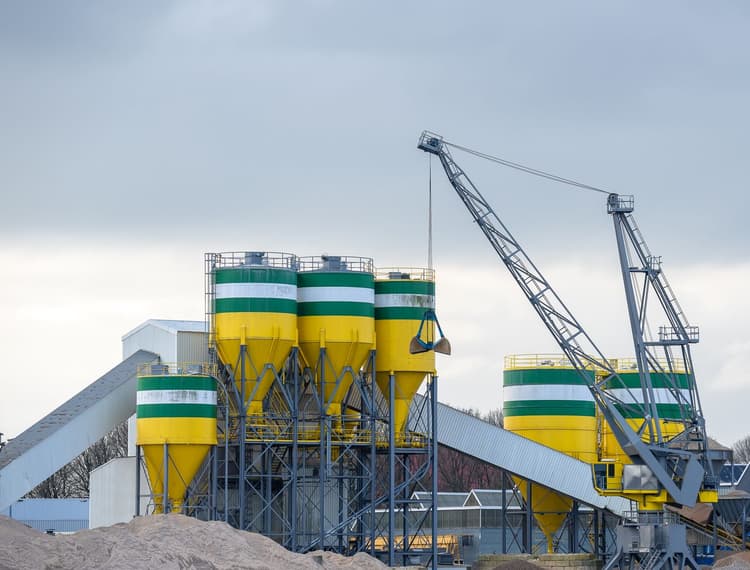
Decarbonise cement production across the value chain
A cement producer cut cementitious Scope 1 and 2 emissions intensity by 17% in four years and raised renewable energy use to 66% of the total.
 Çimsa Çimento Sanayi ve Ticaret AŞ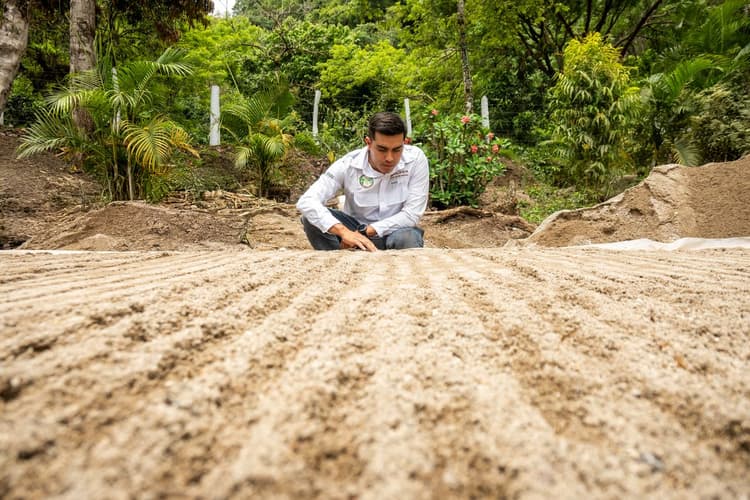
Propagate endemic plants to reverse biodiversity loss
Rare and endemic plant species are propagated in tissue culture with a university partner and returned to protected areas under the conservation authority.
 Assan Alüminyum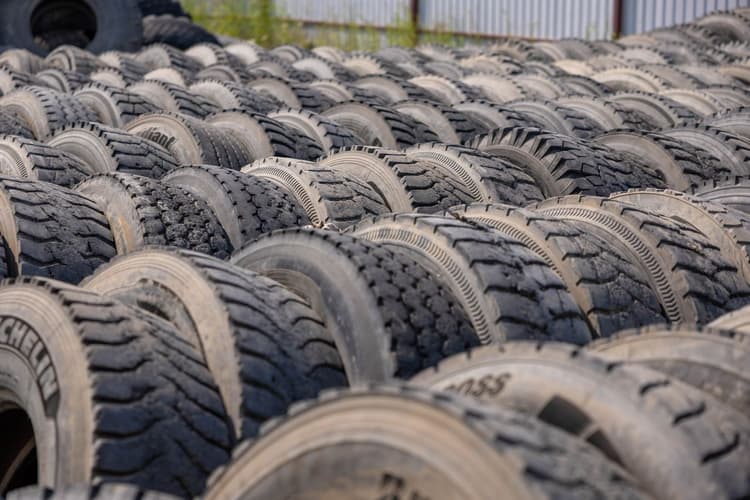
Prevent scrap at source to decarbonise tyre production
Quality losses in tyre production are prevented at source through structured problem solving, cutting carbon, water, energy and raw material use in one programme.
Brisa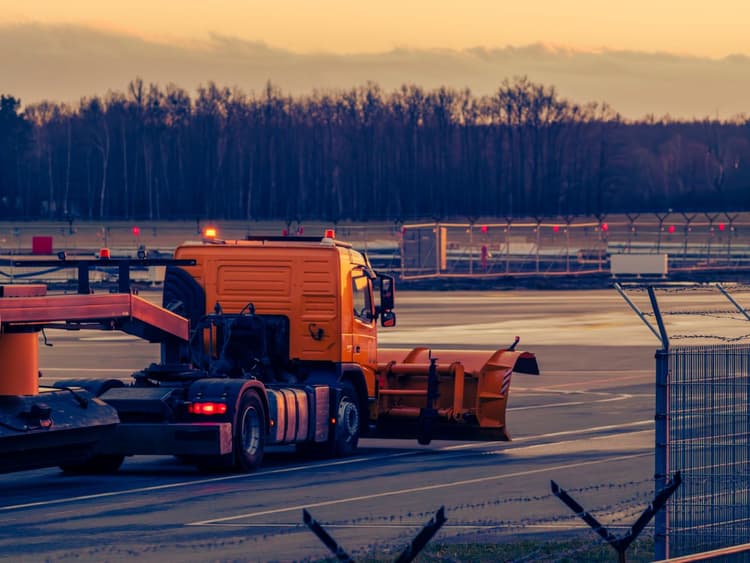
Restore infrastructure in hours with low-carbon binders
Low-carbon cements and a rapid-hardening repair concrete cut product emissions while returning damaged pavements to service in three hours instead of three days.
Çimsa Çimento Sanayi ve Ticaret AŞ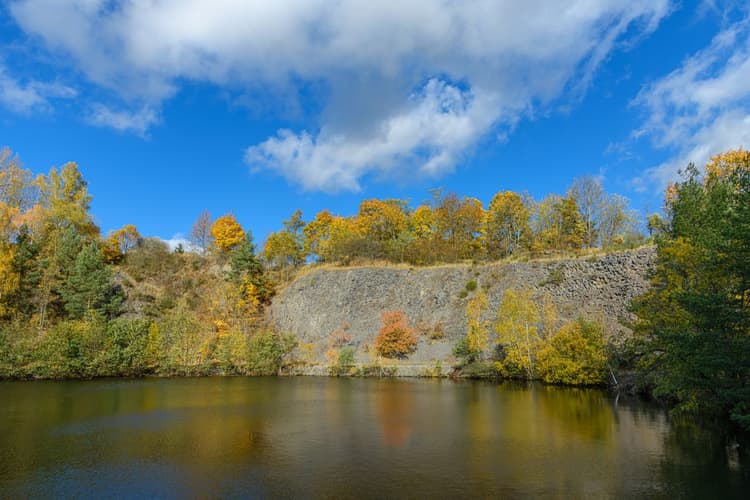
Turn quarry rehabilitation into measured nature recovery
Extraction sites are screened for ecological sensitivity, then managed under site-level biodiversity plans built on field inventories, seasonal surveys and camera traps.
Çimsa Çimento Sanayi ve Ticaret AŞ
Build credit histories for unbanked women entrepreneurs
Interest-free microcredit is combined with training, mentoring and profile building so that women with no borrowing record can enter and remain in the formal financial system.
 Aktif Bank
Recover waste thinner in collision repair operations
Used paint thinner is distilled and returned to the production cycle instead of being disposed of as hazardous waste, cutting resource use, waste and emissions.
 Borusan Oto Servis ve Ticaret A.Ş.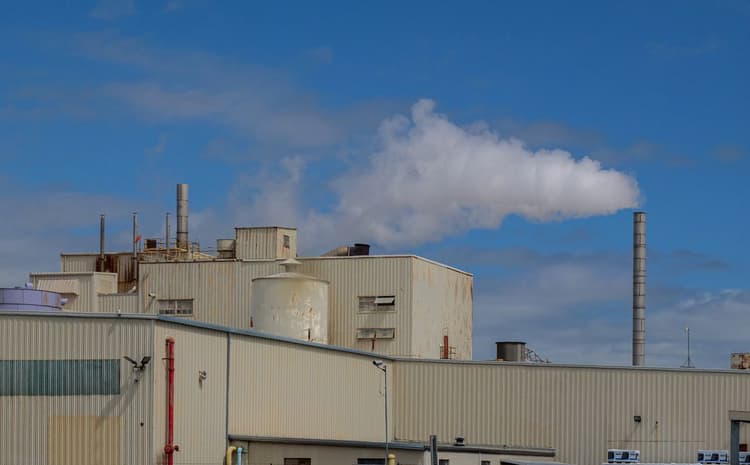
Decarbonise production, water use and logistics together
Renewable electricity, efficiency projects, circular water management and logistics optimisation cut emissions and resource use across manufacturing and the value chain.
 Ülker Bisküvi Sanayi A.Ş.
Embed climate and impact tests in every credit decision
A development bank screens every credit request for environmental, social, gender and development-goal effects, then measures the financed and avoided emissions of what it funds.
 Türkiye Kalkınma ve Yatırım Bankası
Assess transition plans to support transition journeys
A standard methodology scores corporate clients' climate transition readiness from public data, and the results feed client dialogue and sustainable finance decisions.
 ING Türkiye
Adopt start-up solutions to decarbonise group operations
An open innovation platform brings start-up solutions into industrial operations through proof-of-concept trials and venture clienting, cutting energy use and emissions.
 İnci Holding
Integrate nature into strategy and risk decisions
A nature-risk assessment that connects site and value-chain findings with enterprise risk management, sustainability strategy and reporting.
 Coca-Cola FEMSA
Integrate nature risks into enterprise risk management
Applied TNFD LEAP across 52 sites to identify and prioritize nature-related risks and integrate them into enterprise risk management and future planning.
 SCG
SCG
Turn everyday retail choices into sustainable consumption
Stores, staff, suppliers and customers are enrolled in one impact platform covering afforestation, women's cooperatives and sustainable product ranges.
 Watsons Türkiye
Resell and repair to keep luxury products in circulation
Reborn, Repair and Recycle services keep luxury goods and production waste in use, extending product life instead of replacing it with new manufacturing.
 Beymen Group
Rebuild components to keep heavy machines in circular use
Worn components are remanufactured and machine life extended, with acoustic and IoT diagnostics deciding when to repair, rebuild or reuse instead of replace.
 Borusan Makina ve Güç Sistemleri (Borusan Cat)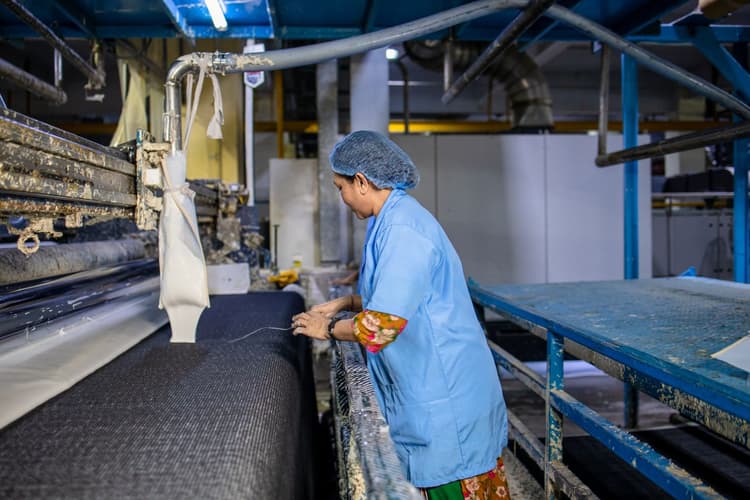
Dye denim without rinsing to eliminate process wastewater
Denim is dyed without washing boxes, so the rinse water, effluent and spent chemicals that the conventional dyeing route produces are removed at source.
 Çalık Denim
Make synthetic fabrics biodegrade to cut textile waste
Fabrics containing synthetic fibre are modified so that they break down in soil at end of life without generating toxicity, verified by independent laboratory certification.
Çalık Denim
Remap downgraded fabric digitally to avoid re-production
Fabric downgraded to second quality is digitally remapped and recut as first quality, so the same metreage returns to the order without being produced again.
 Çalık Denim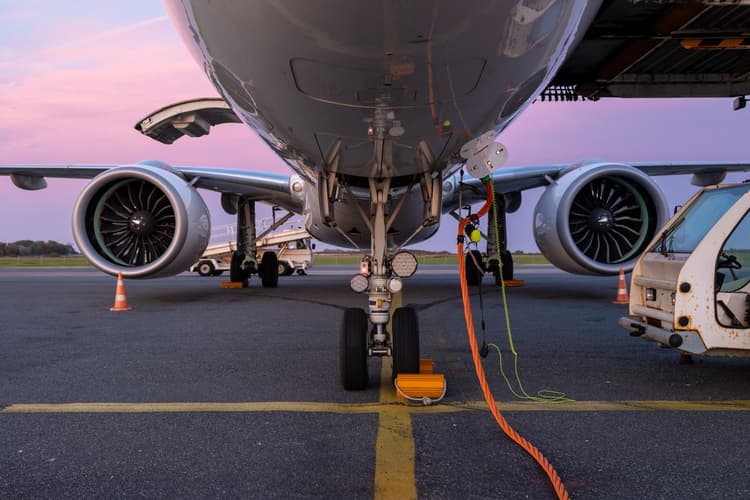
Turn ticket sales into demand for sustainable aviation fuel
A voluntary option in the booking flow lets passengers fund certified sustainable aviation fuel, converting individual choices into traceable demand for lower-carbon flying.
 Turkish Airlines
Recycle blended textile waste into circular raw material
Post-consumer and post-industrial polyester-cotton textile waste is recycled back into fibre and PET at industrial scale, replacing virgin raw material.
 RE&UP Recycling Technologies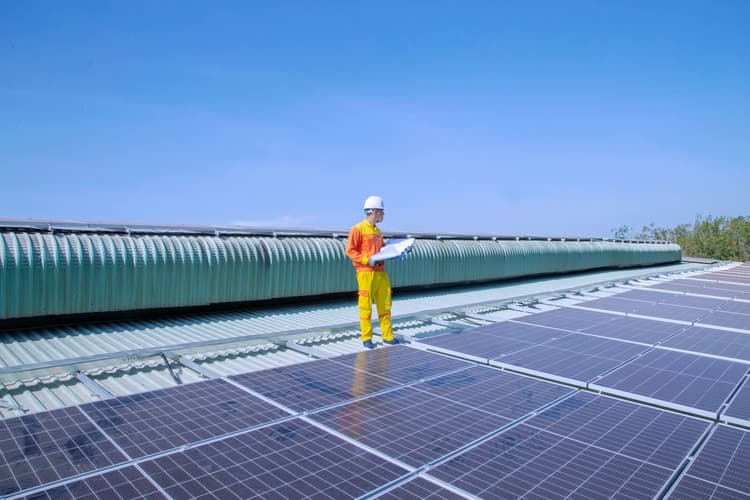
Pair domestic panel manufacturing with utility-scale solar
A 130 MWm solar plant is matched to an integrated manufacturing site through renewable energy certificates, which brings market-based Scope 2 emissions to zero.
 Smart Güneş Teknolojileri
Combine finance and diagnostics to decarbonise SMEs
A bank paired multilateral climate finance with on-site digital and sustainability maturity assessments, giving 100 manufacturing SMEs costed twin transformation roadmaps.
 Türkiye İş Bankası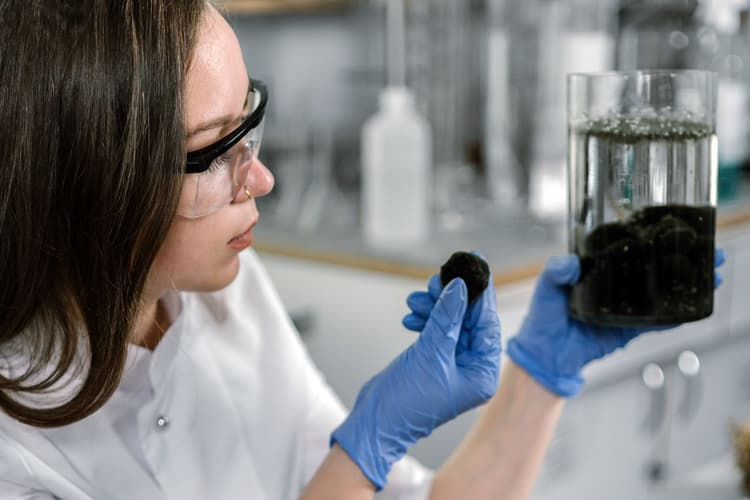
Recover carbon black from polyurethane production waste
Polyurethane scrap is pyrolysed into carbon black, formulated into black paint and returned to moulded parts at colour and abrasion performance close to standard.
 Pimsa Otomotiv A.Ş.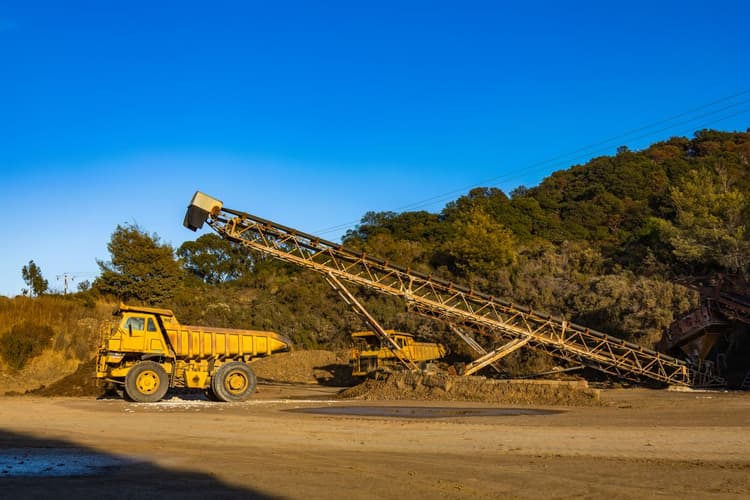
Retrofit diesel haul trucks into battery electric machines
Diesel rock trucks nearing the end of their working life are rebuilt as battery electric machines, removing haulage fuel use without buying replacement vehicles.
 Nuh Çimento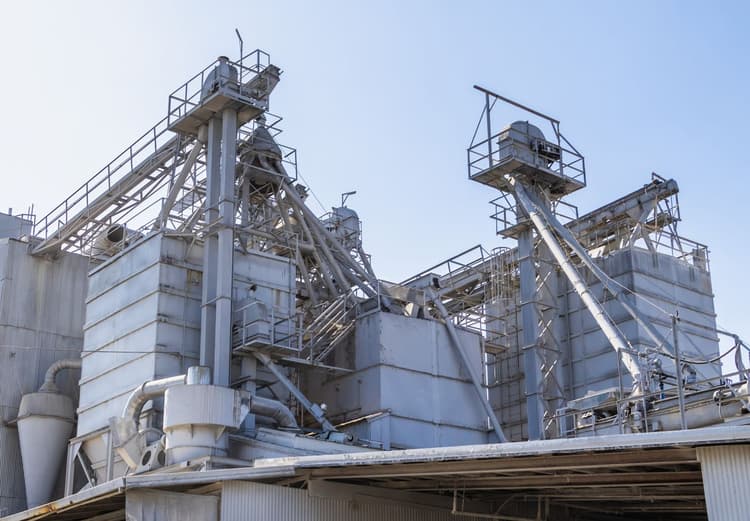
Replace imported air cannons with an in-house shock system
Clinker build-up on kiln lines is cleared by an in-house multiple air-shock system that replaces imported air cannons, cutting compressed air consumption and electricity use.
Nuh Çimento
Decarbonise the supply chain through supplier capability
Suppliers and logistics providers are segmented, assessed, audited and trained to measure and cut emissions, while intermodal rail replaces road on key freight corridors.
 Ford Otosan
Reuse vehicle batteries in second-life energy storage
Repurposing end-of-life and scrap vehicle batteries into scalable storage that supports grid resilience, load shifting, vehicle charging and a circular value chain.
Ford Otosan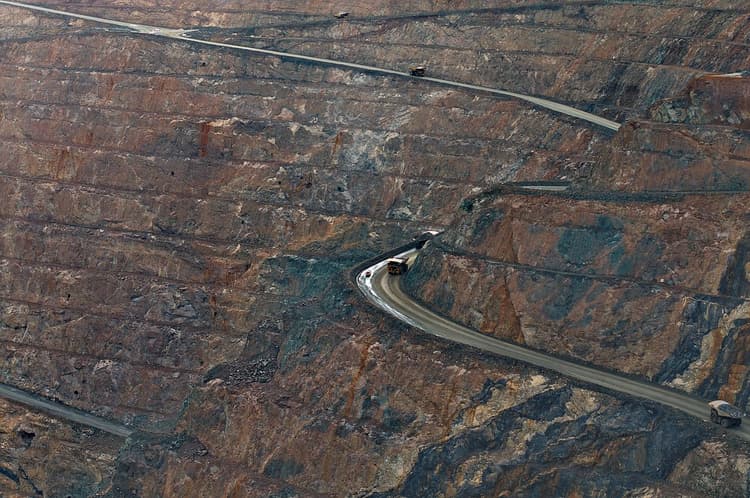
Recover critical minerals from mine waste
Pyrite from copper mining is processed as a secondary raw material into metals, acid, steam and power, using approximately 500,000 tonnes a year in place of primary ore.
 Eti Bakır A.Ş.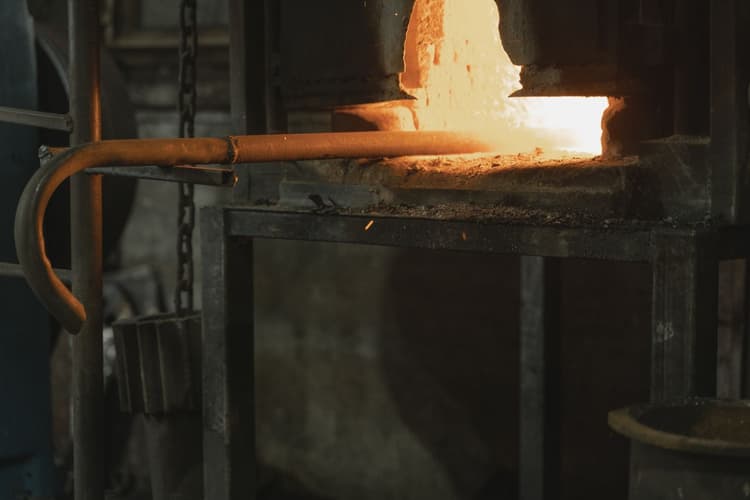
Recover graphite forging oil to close a production loop
Used graphite-based hot forging oil is collected, settled, filtered and returned to the process, reducing consumption per valve by 57% and preventing hazardous waste at source.
 Borusan Supsan Otomotiv Parçaları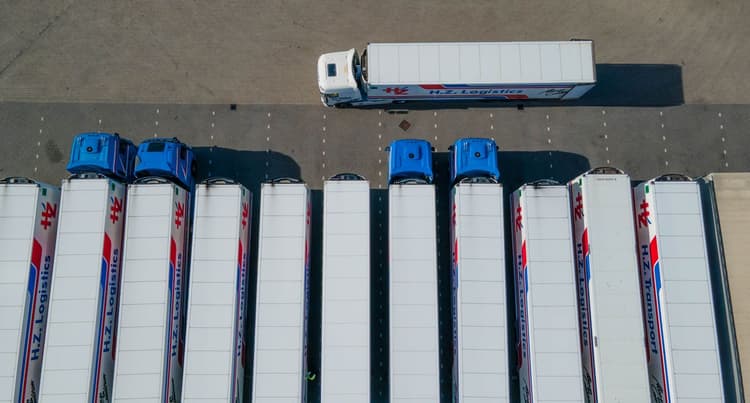
Convert fleet vehicles to LPG to cut transport emissions
A corporate vehicle fleet is converted from diesel and petrol to LPG, cutting fuel consumption, running costs and emissions at a low cost per vehicle.
 Aygaz A.Ş.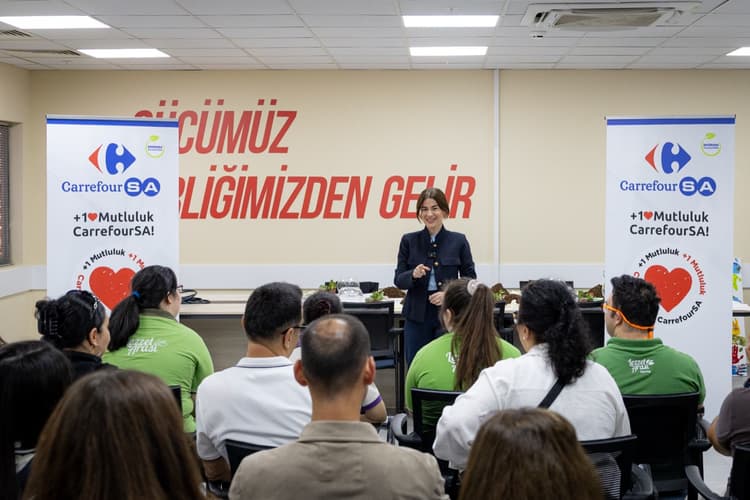
Build inclusive employment with dedicated job coaching
Employees with Down syndrome are placed in restaurant roles and supported by counsellor job coaches, buddy colleagues, families and managers trained before they arrive.
 CarrefourSA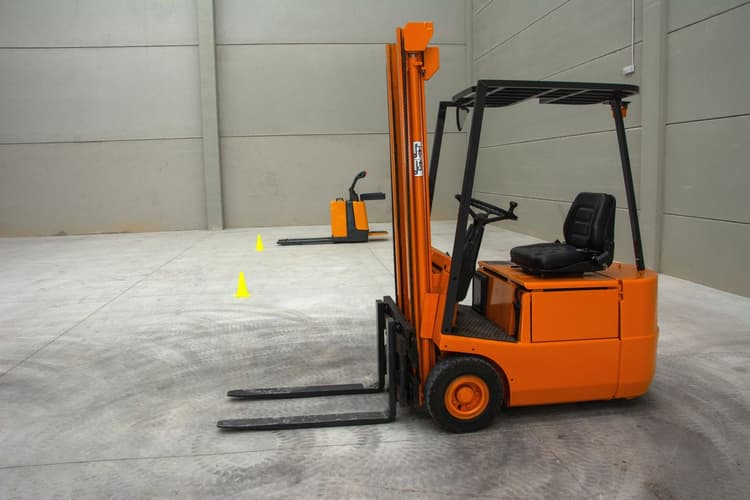
Cut operator incidents with mixed reality training
Forklift operators train in mixed reality digital twins of their own site, so risky scenarios are practised safely and competence is measured against national standards.
 Borçelik Çelik Sanayii Ticaret A.Ş.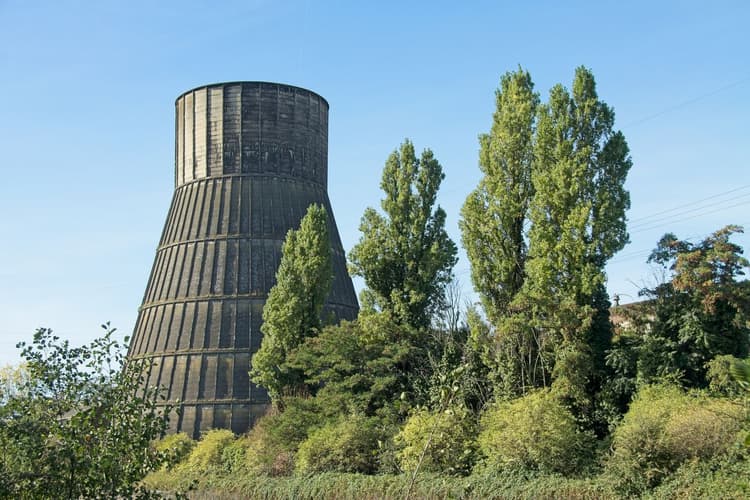
Cut cooling tower water use with groundwater heat exchange
Already-abstracted groundwater is used through heat exchangers to lower cooling tower heat load, cutting evaporation, demineralised water demand and biocide dosing.
Borçelik Çelik Sanayii Ticaret A.Ş.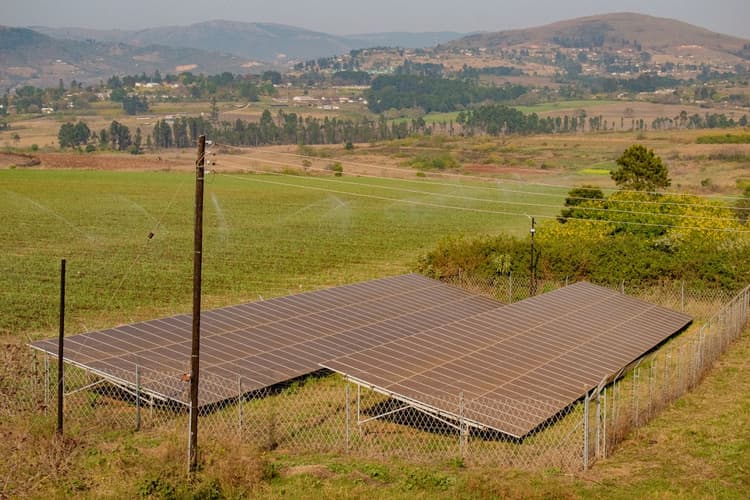
Take refrigeration off-grid with device-level solar
A refrigerator with an integrated solar panel, battery and control unit runs without a grid connection, cutting use-phase emissions and food spoilage for unserved households.
 Arçelik A.Ş.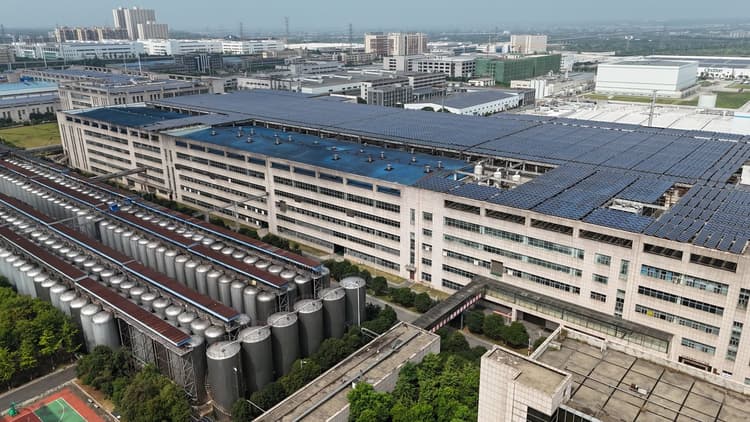
Build climate resilience at an industrial campus
A manufacturing campus retrofitted with efficient buildings, on-site solar, water reuse and zero waste, managed as one programme rather than as separate projects.
 Siemens Sanayi ve Ticaret A.Ş.
Drive Supplier Decarbonization from Strategy to Action
Engage experts to help resource-constrained suppliers identify priority improvements, upgrade equipment and processes, measure reductions, and build skills through training.
 acer
acer

Switch packaging material to decarbonise a product range
A standing cross-functional mechanism reviews every pack in a medicine portfolio, then removes, thins or substitutes material wherever quality and regulatory limits allow.
Abdi İbrahim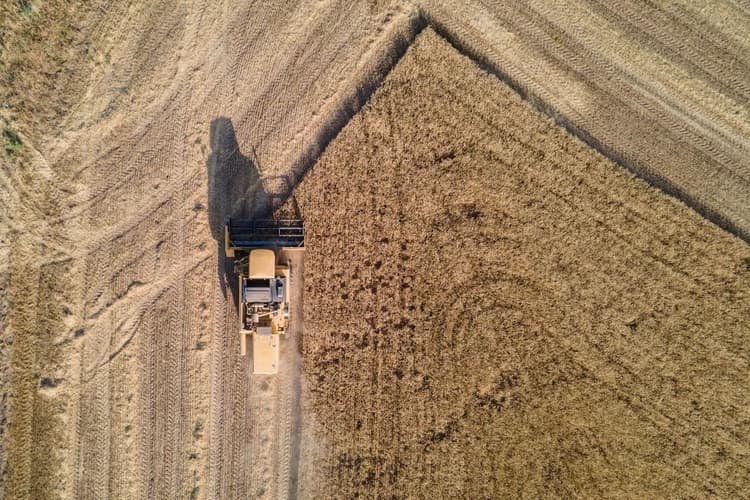
Scale regenerative agriculture across sourcing regions
Wheat, hazelnut and cocoa growers adopt regenerative practices with satellite, sensor and agronomy support, raising yields and soil moisture while cutting input emissions.
 Ülker Bisküvi San. A.Ş.
Convert a fertiliser by-product into circular soil inputs
Phosphogypsum from phosphoric acid production is granulated with biogas compost and off-specification nitrate to make soil improvers instead of being stockpiled.
 Toros Tarım Sanayi ve Ticaret A.Ş.
Shift denim material choices to cut product carbon
An apparel product range defined by preferred materials rather than by design theme grew to 30 per cent of revenue and cut the carbon carried in the products themselves.
 Mavi
Mavi
Digitise medicine leaflets to cut paper and emissions
Printed patient information leaflets are removed from medicine boxes and delivered through a QR code instead, cutting paper consumption and the emissions attached to it.
Abdi İbrahim
Turn olive stone waste into effervescent tubes
Waste olive stones become a bio-based raw material that replaces part of the fossil-based plastic in effervescent tube packaging, cutting the carbon footprint per tube.
Abdi İbrahim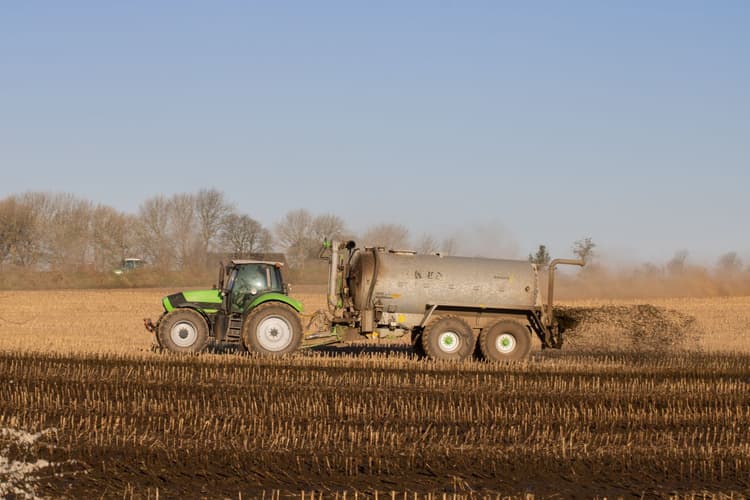
Turn organic waste into renewable energy and fertiliser
A circular farm-to-table model turns manure and organic waste into renewable energy and organic fertiliser, returning nutrients to soil while cutting emissions.
 Sütaş
Sütaş
Map Nature Risks to Guide Supply Chain Action
Apply a location-based nature assessment to identify upstream exposure, test supplier assumptions and prioritize procurement and risk actions despite data gaps.
 Segura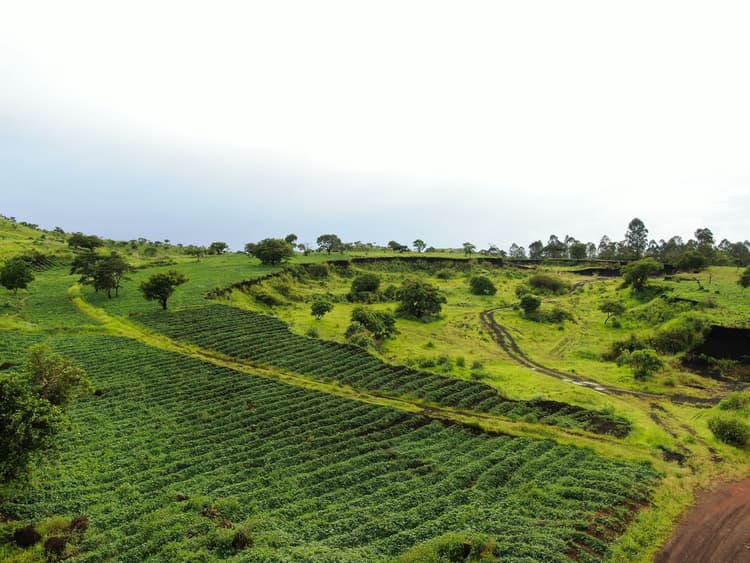
Embed biodiversity in agricultural supply chains
A food manufacturer assessed nature risk across 13 production facilities and 76 suppliers, then scaled regenerative agriculture, agroforestry and deforestation-free sourcing.
Ülker Bisküvi San. A.Ş.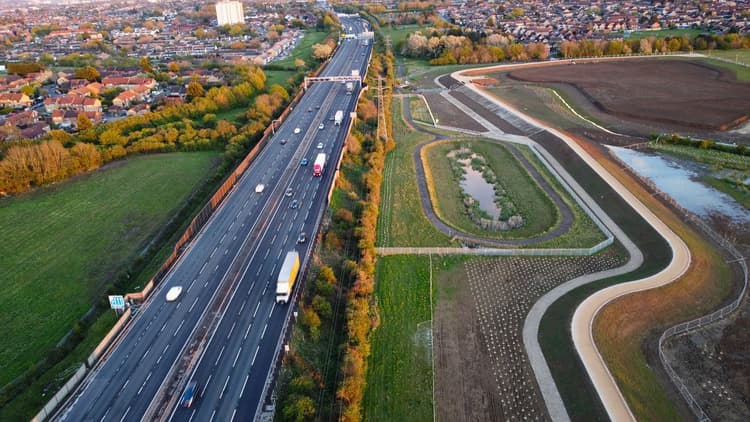
Integrate biodiversity into motorway construction
A contractor integrated biodiversity management into the design and construction of a 112 km motorway, reducing the habitat area affected from 962.2 ha to 268 ha.
 ENKA İnşaat ve Sanayi A.Ş.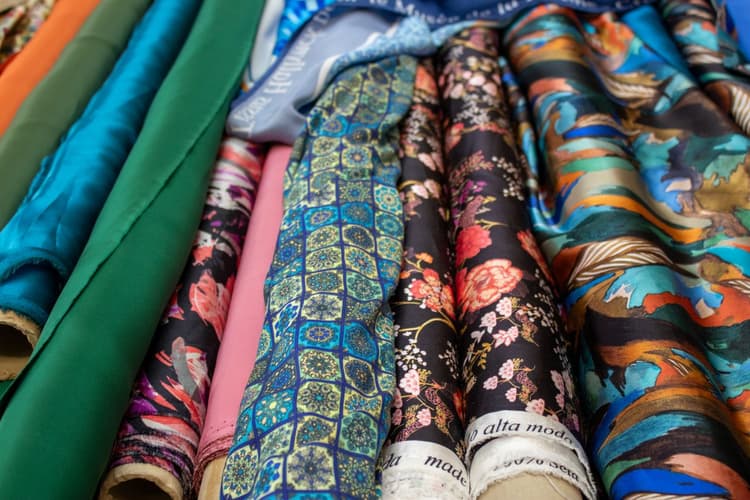
Set a certified-content threshold for circular fashion
A component-level threshold defines when a product counts as sustainable, turning a portfolio target into a purchasing requirement that suppliers must meet.
Beymen Group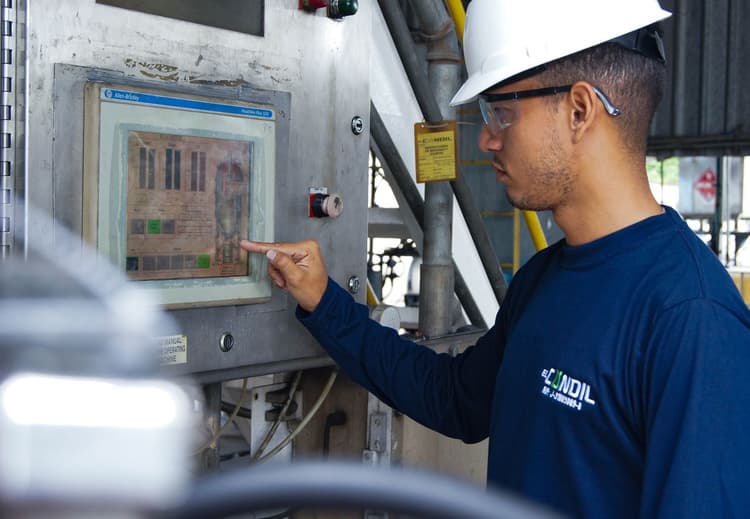
Use AI to Drive Low-Carbon Semiconductor Manufacturing
ASEH developed an AI-powered environmental management system and an employee green lifestyle app to reduce the company's greenhouse gas (GHG) emissions and environmental impact.
 ASEH
ASEH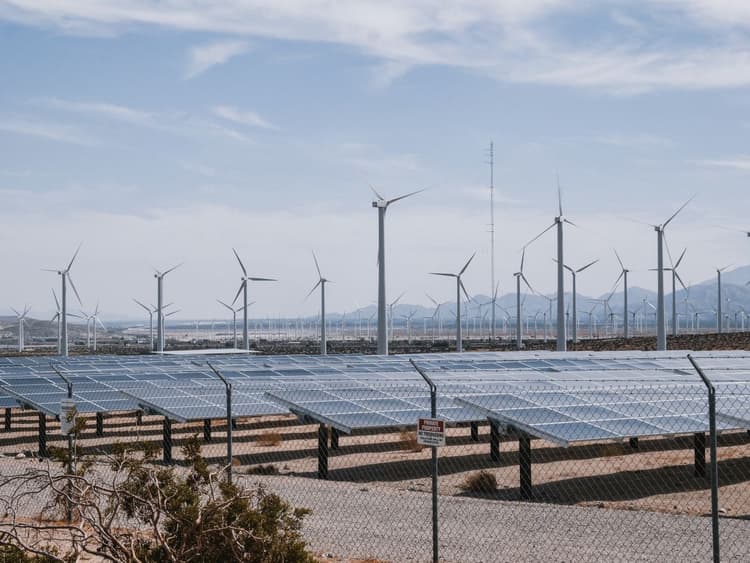
Relocate turbines to optimise renewable output on site
Five 1.5 MW Sinovel turbines were relocated within the Uşak site's 102 MW extension, adding about 20,000 MWh of annual generation without retiring any turbine.
 Aydem Holding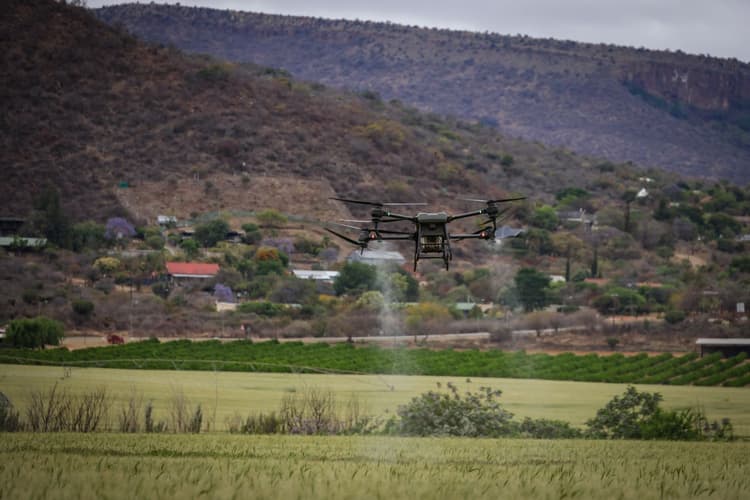
Restore burnt forest with drone seeding and local labour
Seeds coated in clay by local women are dispersed by drone over land burnt in a wildfire, with stakeholders triggering each sowing request through a digital link.
ASAŞ ALÜMİNYUM SAN. TİC. A.Ş.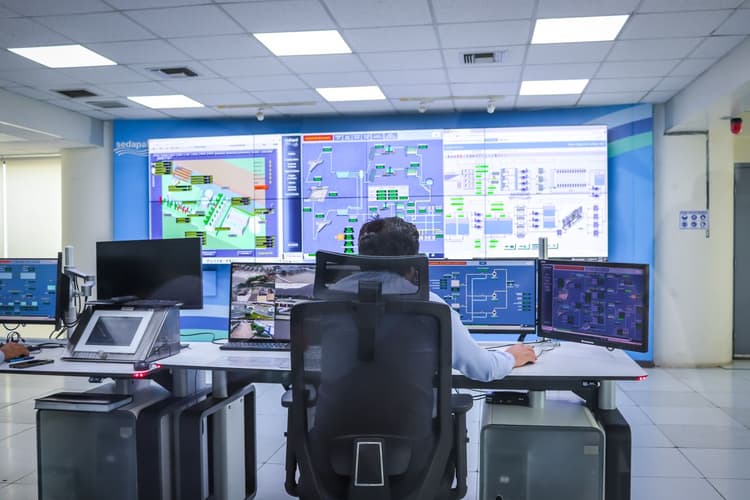
Cut grid losses to decarbonise electricity distribution
Technical and commercial losses on a distribution network were held far below the sector average, so the electricity never had to be generated and its emissions never occurred.
Aydem Holding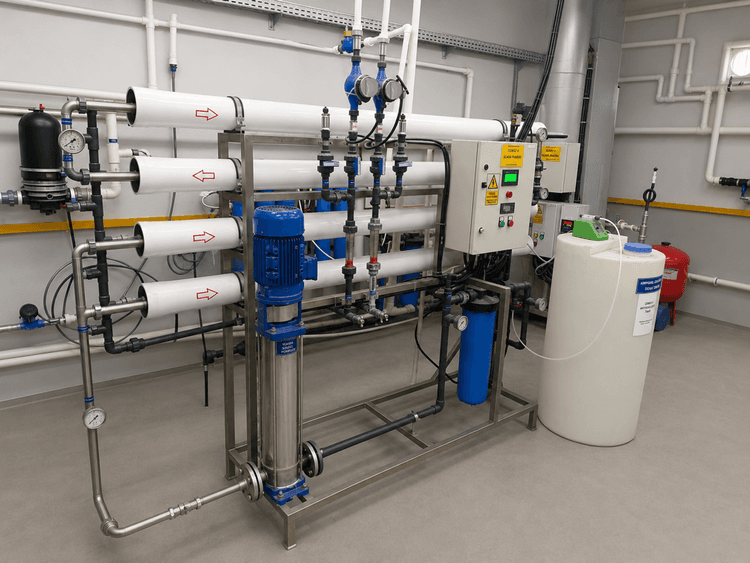
Cut scrap at source to save copper, water and energy
A mechanical redesign of the wire line prevents surface defects before they form and a reverse osmosis loop recycles process water, cutting scrap, energy and water use.
 Elsan
Elsan
Optimise blister layouts to cut packaging carbon
An artificial intelligence algorithm redesigns blister and carton layouts so the same medicine is packed in less aluminium, PVC and carton, and ships on fewer pallets.
Abdi İbrahim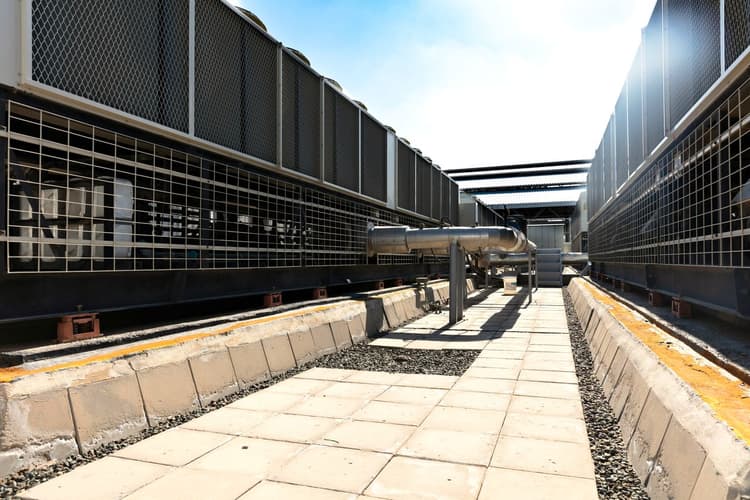
Phasing Out F-Gases to Decarbonize Cooling Systems
Strategy to eliminate fugitive emissions by digitizing maintenance tracking and modernizing cooling infrastructure using zero-GWP natural refrigerants.
 Iberostar

Embed sustainability in motorway design and finance
A build-operate-transfer motorway links environmental and social targets to financing and embeds climate resilience and biodiversity requirements into design and procurement.
 Antalya Alanya Otoyolu İnşaat Yatırım ve İşletme A.Ş.
Cut freshwater use and wastewater in textile dyeing
A modified warp yarn dyeing process removed the fresh water feed from wash steps, reducing annual water withdrawal by 92% and wastewater by 99% with no new equipment.
 BOSSA Ticaret ve Sanayi İşletmeleri T.A.Ş.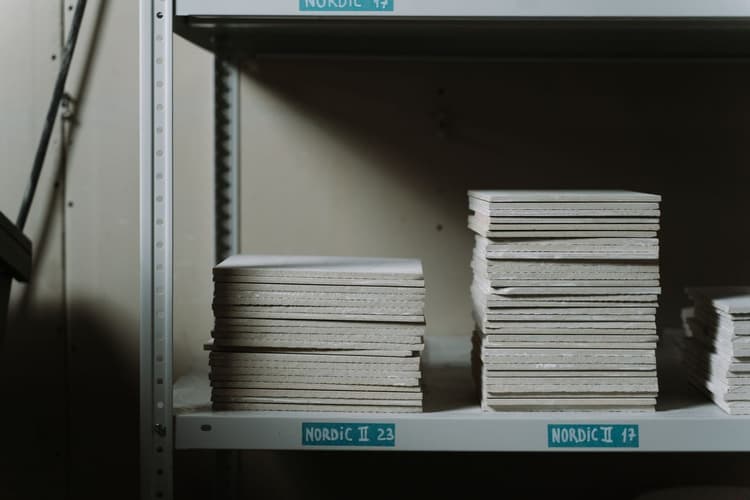
Turn tile factory waste into circular raw material
Dust, unfired and fired scrap and treatment plant filter cake are characterised and returned to tile body recipes, removing the need for newly quarried raw material.
Kaleseramik Çanakkale Kalebodur Seramik Sanayi A.Ş.
Replace grid field visits with remote fault detection
Grid faults are located and cleared remotely using supervisory control, satellite telemetry and portable test devices, removing field driving and the fuel burned to reach sites.
 Gdz Elektrik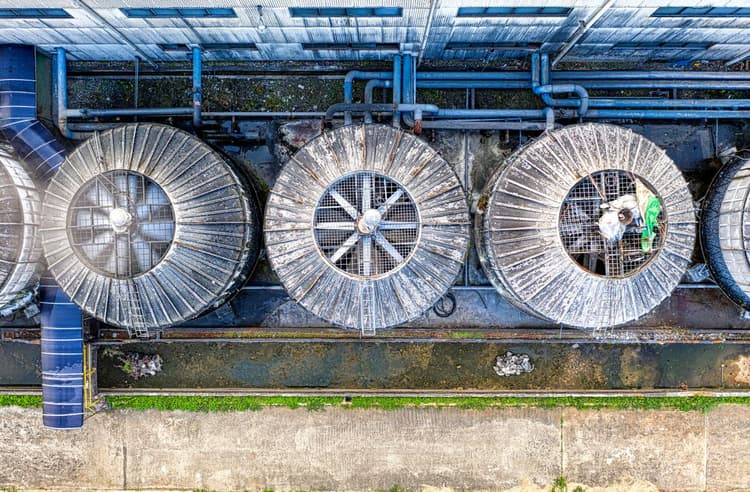
Cut water and embodied carbon when building power plants
Turbine efficiency, dry cooling, wastewater recovery and slag-for-cement substitution combine in one delivery model that cuts water use and embodied carbon on a plant build.
ENKA İnşaat ve Sanayi A.Ş.
Convert street lighting into a public health campaign
Public lighting poles and monthly electricity bills are turned into a breast cancer early-detection campaign built on existing assets rather than new investment.
 Uludağ Enerji
Turn urban wastewater into a circular industrial supply
Advanced treatment turns municipal wastewater into verified reclaimed process water, replacing mains fresh water in vehicle manufacturing in a basin facing rising water stress.
Ford Otosan
Convert used PET bottles into circular polyester polyol
Post-consumer PET bottles are depolymerised into polyester polyol, replacing part of the fossil raw material in rigid polyurethane systems without a performance concession.
 Kimpur
Turn canteen surplus and waste pallets into social value
Idle workshop pallets are rebuilt into animal shelters and canteen food surplus is delivered on a fixed route, turning one-off volunteering into a continuous model.
 Borusan Otomotiv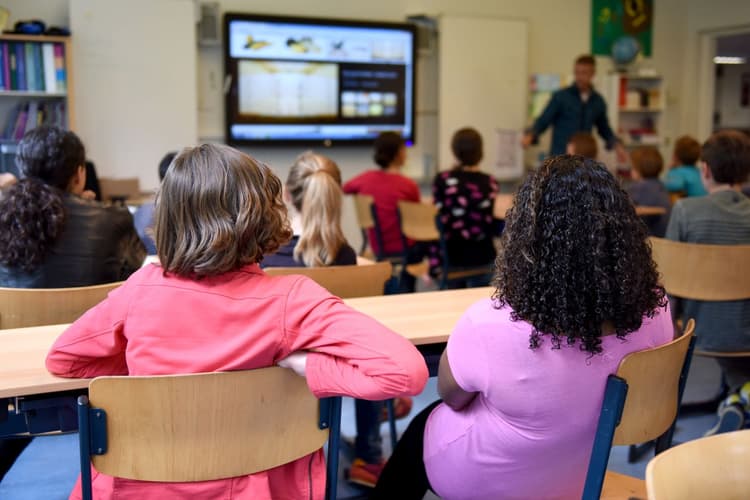
Embed energy literacy in primary school learning
Primary school children learn energy saving and electrical safety through virtual reality, shadow theatre and age-specific materials delivered inside their classrooms.
Uludağ Enerji
Support new mothers to protect career continuity
Maternity support is extended beyond statutory leave into 24/7 specialist counselling, funded childcare and structured follow-up, so caring duties do not interrupt careers.
Siemens Sanayi ve Ticaret A.Ş.
Back women-led tech ventures from idea to scale-up
Women founders of technology ventures receive bootcamps, vertical training, one-to-one mentoring and investor access, with support continuing after graduation.
 ÜNLÜ & Co
Map biodiversity risk onto the grid to protect wildlife
Protected areas, migration routes, habitats and network assets are integrated on one map, so biodiversity risks shape investment and maintenance decisions.
 Enerjisa Enerji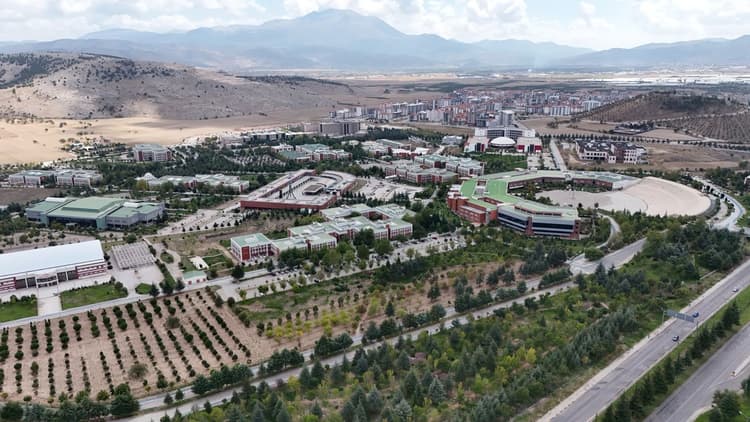
Turn industrial campuses into biodiversity-positive sites
Two industrial campuses are managed as habitats, with native planting, water-efficient landscaping, permeable surfaces and fauna protection written into maintenance contracts.
Siemens Sanayi ve Ticaret A.Ş.
Put farmer and community welfare at the core of sourcing
Cocoa and hazelnut sourcing programmes pair farmer training with child labour monitoring, mobile health services, clean water and school infrastructure.
Ülker Bisküvi San. A.Ş.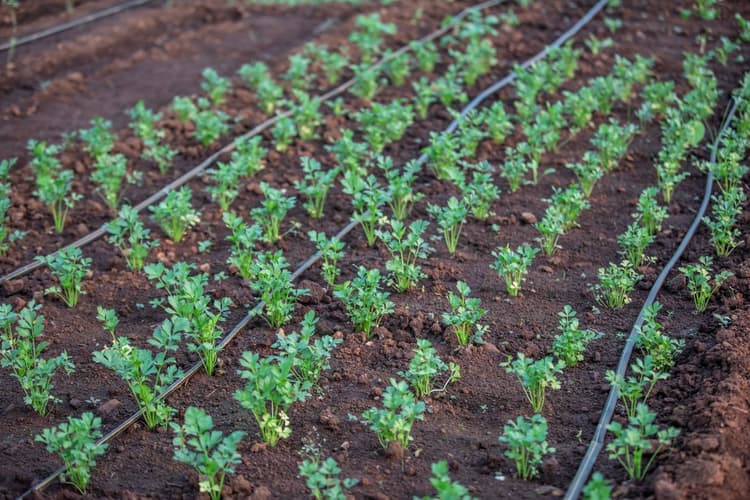
Restore water to nature across plants and farmland
A food and beverage producer combined plant water recovery with drip irrigation on supplier farms, reporting 1.8 billion litres saved and 50% less field water use.
PepsiCo
Resell imperfect food instead of discarding it as waste
Food that is still safe but has lost sales potential through appearance, packaging damage or short remaining shelf life is returned to the shelf instead of becoming waste.
CarrefourSA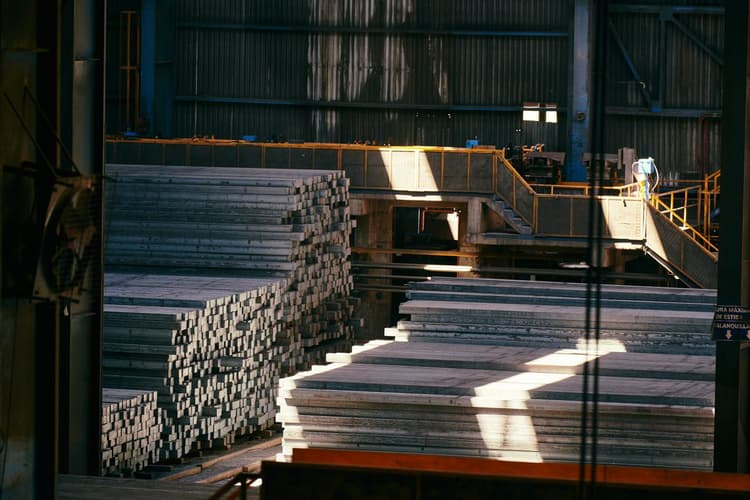
Digitise quality control to cut rework and scrap
Real-time machine vision identifies surface nonconformities earlier on flat steel lines, cutting off-specification tonnage on the pickling line by 94.7% against the 2024 baseline.
Borçelik Çelik Sanayii Ticaret A.Ş.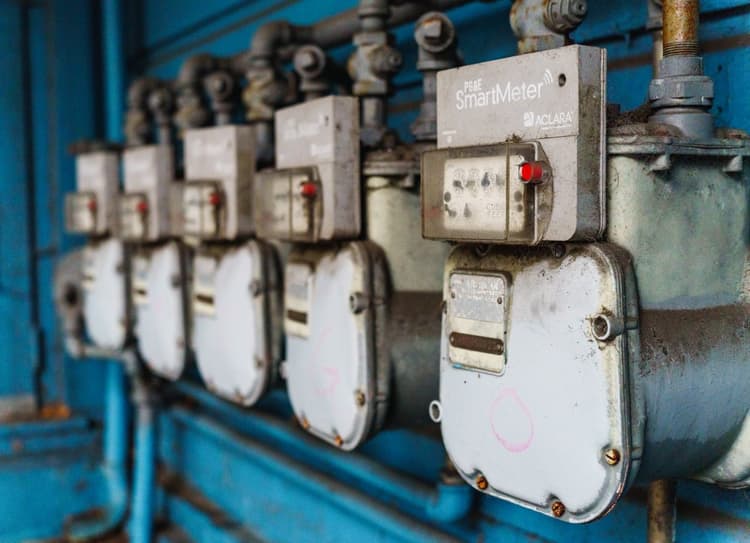
Embed energy data in production planning to cut emissions
Production and energy data are modelled together so that planners can see which machine and parameter combination produces a given item with the least electricity.
 Kordsa Teknik Tekstil AŞ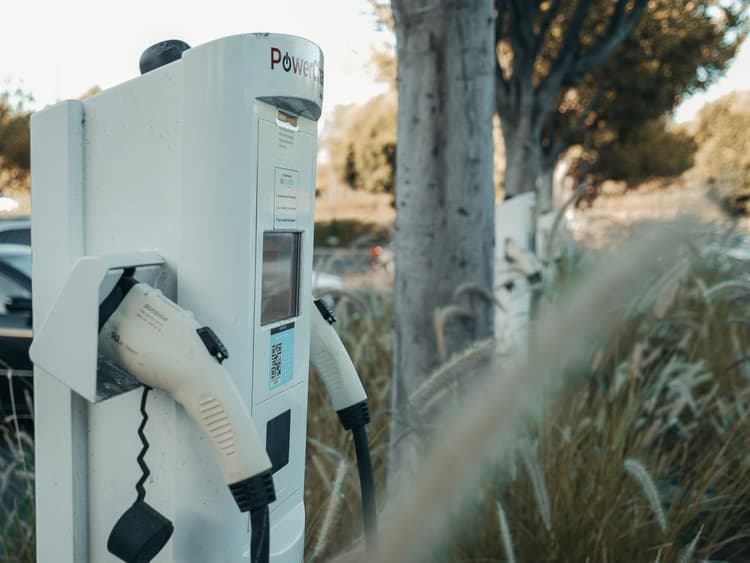
Cut electric vehicle charger downtime with AI triage
An AI assistant triages charger faults from protocol alerts and routes them to an engineer in about a minute, cutting resolution from days to hours.
Siemens Sanayi ve Ticaret A.Ş.
Decarbonize Multi-Site Industrial Operations
Transitioned two manufacturing sites to 100% renewable electricity, introducing standardized environmental management to cut Scope 2 emissions and improve resource efficiency
 Nidec
Nidec
Turn Carbon Data into a Strategic Business Asset
An AI-powered platform digitizes carbon management workflows, transforming GHG data from a compliance requirement into a strategic decision-making asset.
 ASUS
ASUS
Incentivize Supplier Product Carbon Footprint Disclosure
Tricon launched a supplier incentive program to increase Product Carbon Footprint (PCF) disclosures across its value chain.
 Tricon
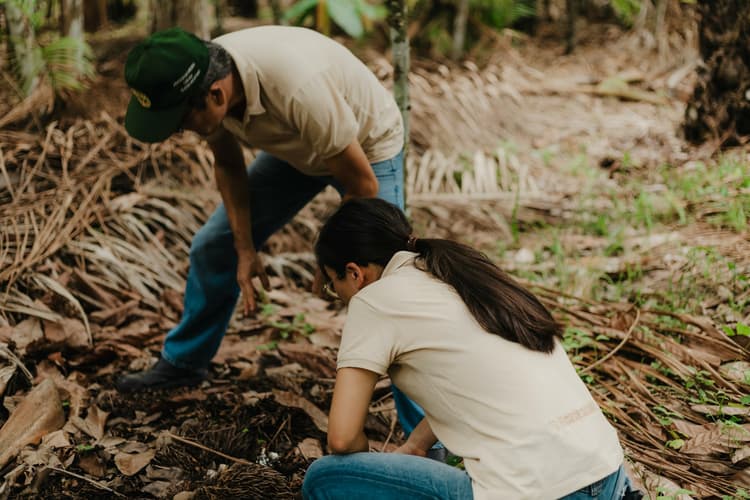
Strengthen sociobiodiversity economies in protected areas
Promote the sustainable management of biodiversity in protected areas and foster the socioeconomic development of traditional communities.
 Vale
Vale
Capture and Reuse Hydrogen to Reduce Gas Consumption
Capturing hydrogen byproducts from existing processes and using it as dual fuel in a thermal fluid heater to reduce natural gas use and emissions.
 Eternis Fine Chemicals
Reduce Carbon Footprints of Aroma Ingredients
Fragrance & Flavor companies can reduce their Scope 3 GHG emissions by choosing to purchase large-volume aroma ingredients with a product carbon footprint reduced by 10–15%
 BASF
BASF
Decarbonize Mint Supply Chains through Climate-Smart Farming
Developing a climate-smart mint supply chain integrating regenerative farming, traceability, and energy-efficient distillation to reduce Scope 1 and Scope 3 emissions.
 Norex Flavours Private Limited
Apply AI To Accelerate Decarbonization
Action guide on using AI to streamline sustainability workflows, support emissions decisions, and scale credible decarbonization across value chains.
 Accenture
Advanced flood resilience through AI forecasting
AI-powered global flood forecasting provides free riverine warnings up to 7 days in advance, including data-scarce regions, boosting climate resilience.
 Google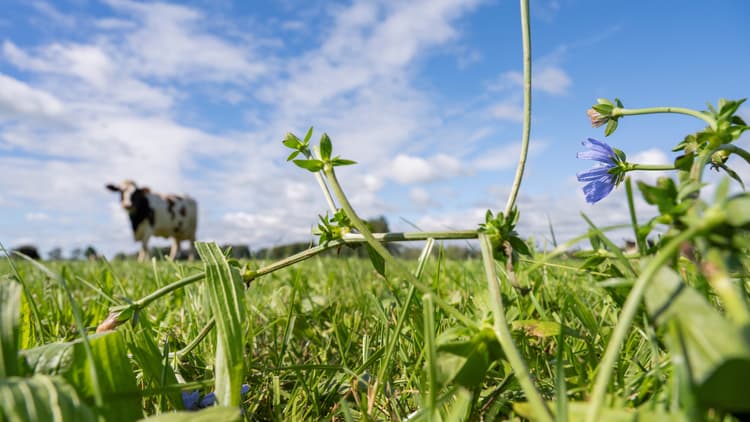
Incentivize sustainable dairy through outcome-based payments
Rewards farmers for progress in climate, nature, animal welfare, and grazing, accelerating sustainable dairy production
 FrieslandCampina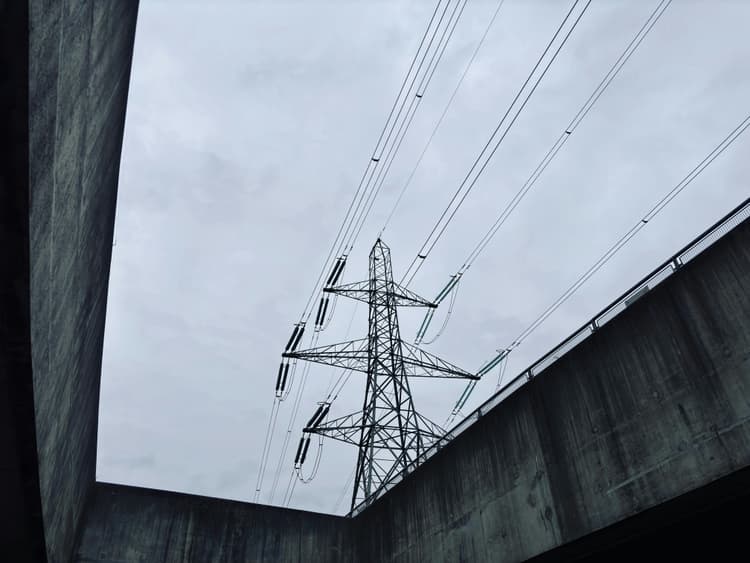
Cut emissions with 3D-printed concrete foundations
Deploy 3D-printed concrete foundations for substations, an innovative step in sustainable infrastructure to reduce carbon emissions and project lead times.
 National Grid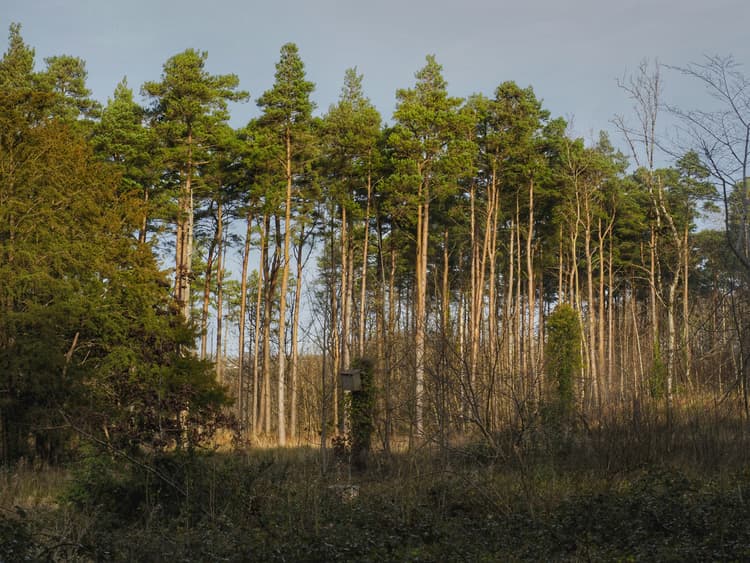
Strengthen forest conservation through financial inclusion
Long-term partnership combining conservation, financial access, and entrepreneurship to support forest protection and inclusive economic development in an Amazonian community.
 Banco Bradesco S.A.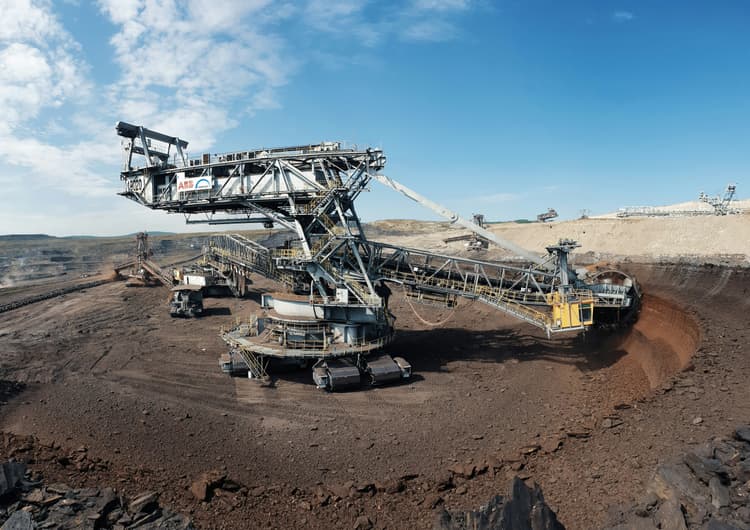
Embed responsible mining in the Amazon
Large-scale mining project combining low-impact design, electrified transport, water-efficient processing, real-time monitoring, and ecosystem restoration for climate and local benefits.
Vale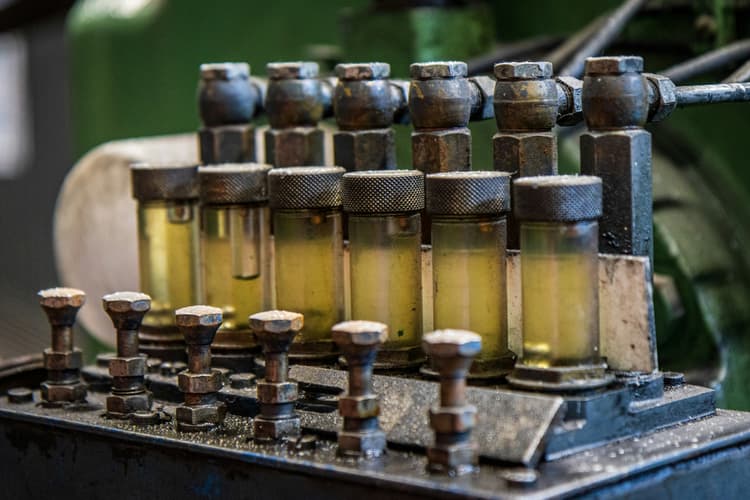
Recover base oil through lubricating oil re-refining
Reverse logistics and re-refining system recovers base oil from used lubricating oil, reducing emissions, hazardous waste, and dependence on first-refined base oil.
 Lwart
Lwart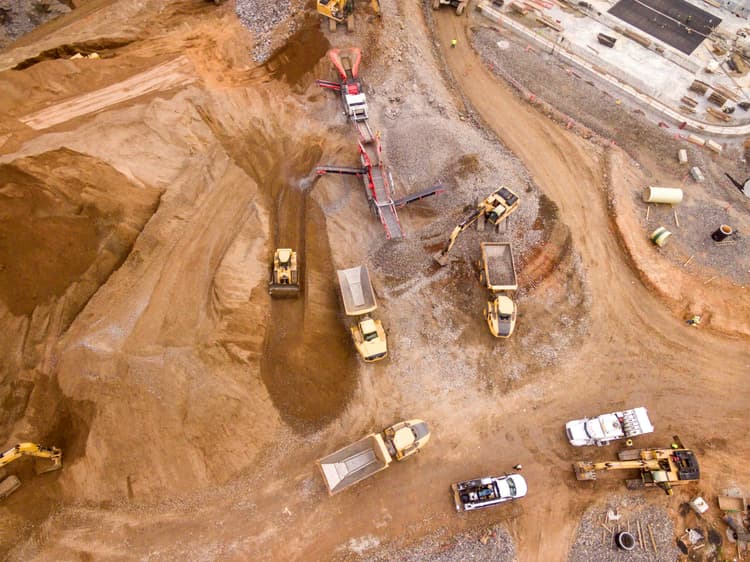
Advance circular mining and waste reuse across operations
Reusing mining waste and turning it into value through innovation and circular economy practices, creating sustainable products, optimizing resources, and reducing environmental impact.
Vale
Engage suppliers to cut Scope 3 emissions
Supplier engagement program combining diagnostics, training, and free consulting to enable carbon-intensive suppliers to measure emissions and commit to climate targets.
 Vivo
Vivo
Establish green equity designation for listed companies
Stock exchange designation recognizing listed companies with majority green revenues, investments, and low fossil fuel exposure, increasing transparency and comparability for investors.
 Brasil Bolsa Balcao
Enable forest conservation using blockchain-based assets
Voluntary forest conservation by acquiring blockchain-based digital assets tied to preserved native forest areas with continuous satellite monitoring.
 Banco Cooperativo Sicoob S.A
Enable Supplier Action Through Decarbonization Networks
A structured supplier engagement program that mobilizes key suppliers through collaboration, peer exchange, and recognized climate leadership.
 Bayer
Bayer
Cut emissions through dual-carbon strategy
Implemented a dual-carbon strategy combining renewable energy, process optimization, and supply chain measures to reduce emissions and drive low-carbon transition
 BTR
BTR
Develop climate adaptation guide for suppliers
Supplier-focused climate adaptation guide that translates climate risk concepts into practical tools and actions for the textile value chain.
 Lojas Renner S.A.
Use recycled paper waste for packaging
Recycled pharmacy paper waste is transformed into cardboard packaging for exclusive-brand products through coordinated reverse-logistics and manufacturing partnerships.
 RD Saúde
Advance traceability for sustainable cattle supply chain
A traceability and technical support model combining animal tracking, environmental regularization, and productivity assistance to promote a sustainable cattle supply chain.
 JBS
JBS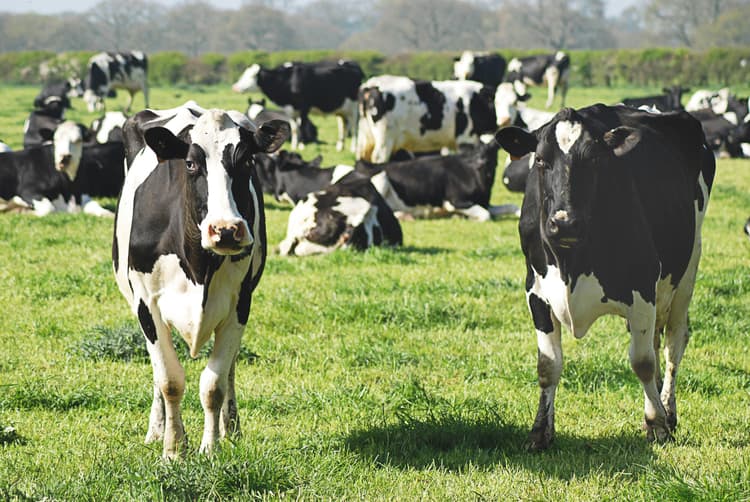
Strengthen beef traceability to prevent deforestation
Implemented full traceability and satellite monitoring of beef suppliers to mitigate deforestation, manage climate risk, and improve socio-environmental compliance.
 Carrefour
Strengthen climate adaptation systems
Climate projections and a vulnerability index improved internal risk management while a multisectoral platform strengthened municipal climate resilience.
 Companhia Brasileira de Alumínio
Adapt to flood risks with nature-based solutions
Nature-based Solution to flood risks: Improved land management at a catchment-scale through leaky dams, ponds, hedgerows, woodland creation, peatland restoration and grassland management.
 United Utilities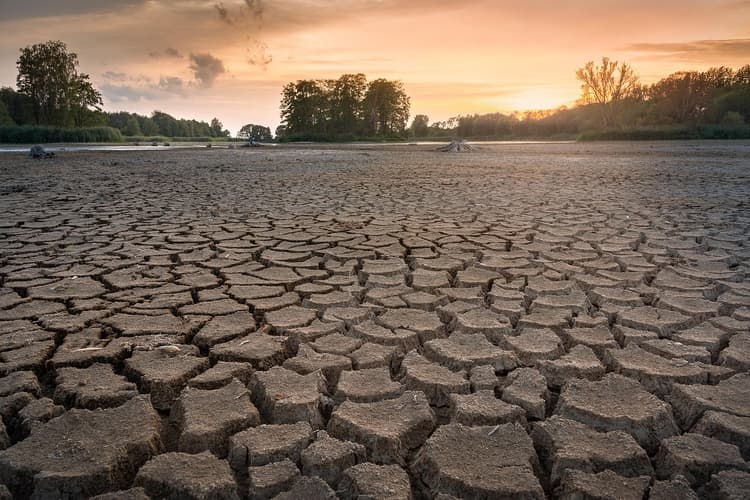
Adapt to drought risks with nature-based solutions
Nature-based Solution: Improved land management through the replacement of invasive plants with native species to reduce the impact of droughts and enhance operational resilience.
Iberostar 
Decarbonize operations with renewable electricity via PPAs
Fully transitioned operations in three regions to be powered by renewable electricity with long-term PPAs, delivering absolute emissions reduction.
 Signify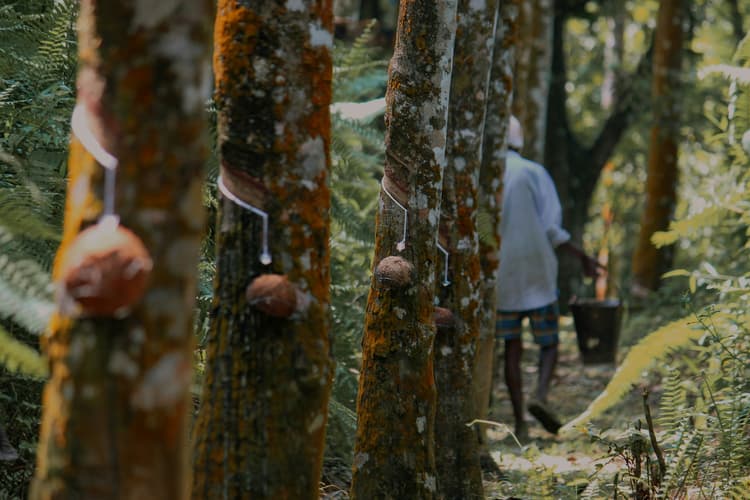
Restore biodiversity through rubber cultivation
Long-term restoration initiative integrating sustainable rubber cultivation with biodiversity protection, community partnerships, and scientific research.
 Michelin
Connect habitat fragments to restore landscapes
Create ecological corridors by restoring priority areas to improve habitat connectivity and reduce biodiversity loss.
 Suzano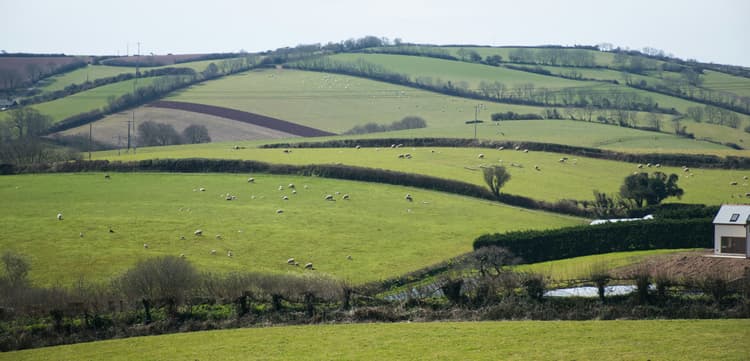
Match supply and demand to regenerate landscapes
Landscape Enterprise Networks (LENs) structures annual trades financing regenerative practices, enhancing landscape resilience and productivity in Europe
 Landscape Enterprise Networks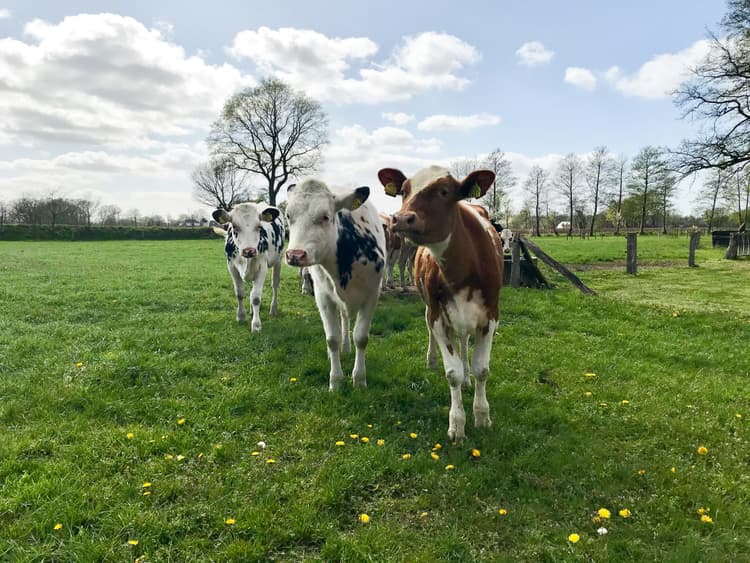
Reward regenerative dairy through biodiversity monitoring
Using a biodiversity monitor and reward system to incentivise regenerative dairy practices.
FrieslandCampina
Boost Cocoa Yields through Family Incentives
Providing cash incentives to cocoa-farming families for pruning, schooling, and agroforestry to improve income and resilience.
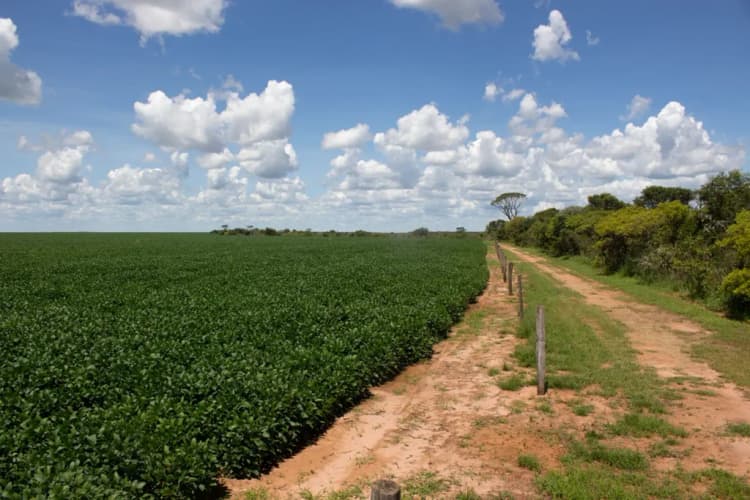
Accelerate DCF soy production in the Brazilian Cerrado
The Farmer First Clusters (FFC) initiative supports Brazilian soy farmers in adopting deforestation- and conversion-free practices, enhancing sustainability and productivity
 WBCSD
WBCSD
Incentivize low-emission rice in the Mekong River Delta
Transforming Rice Value Chains in the Mekong River Delta (TRVC) spurs private sector investment in rice value chains, increasing sustainable production and building resilience.
 SNV
SNV
Support Indian farmers transition to direct-seeded rice
DirectAcres supports farmers in India to switch from transplanted paddy rice to mechanized dry direct seeded rice (DSR), improving economic outcomes and reducing environmental impacts.
Bayer
Protect water sources to enhance local supply
Watershed protection initiative that restores water sources, improves water quality, and strengthens water availability for local communities through land restoration and farmer incentives.
 Philip Morris International
Advance low-carbon regenerative agriculture
Regenerative agriculture strategy improving soil health, biodiversity, and climate resilience through monitored low-carbon farming practices.
 Amaggi
Structure the extractive chain of Amazonian nuts
Development of a structured Amazon nut value chain that integrates forest conservation, fair extractive labor, and bioeconomic productivity.
 ZEG Florestal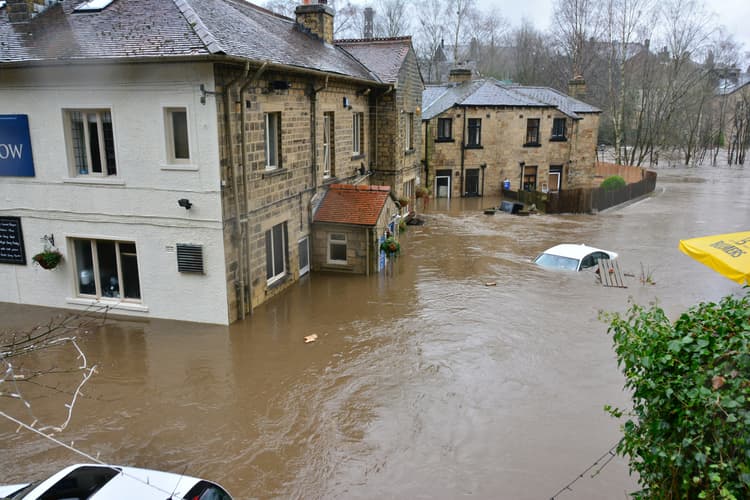
Boost flood resilience with modular water-saving barriers
Protect communities from floods while repurposing water for irrigation and drinking, turning risk into opportunity.
 WAVESAVE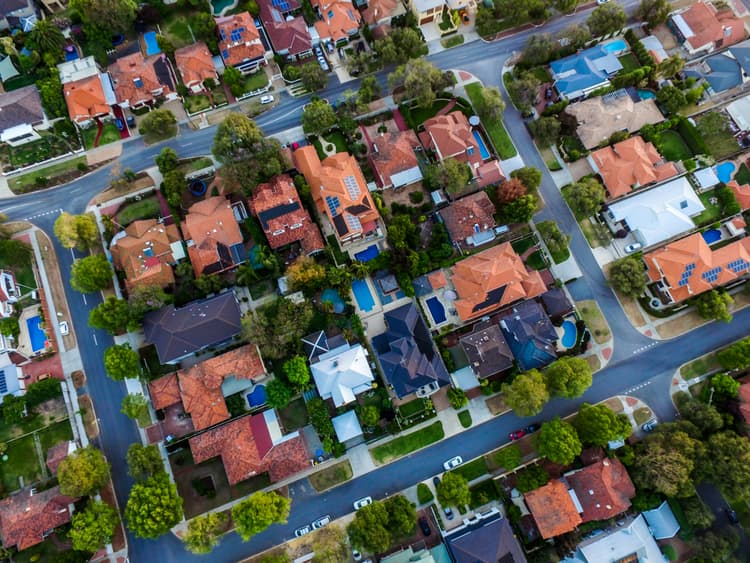
Advance climate-resilient homes to cut emissions
Low-carbon housing solutions replace carbon-intensive materials with energy-efficient, alternative building technologies that significantly cut CO₂ emissions and reduce air pollution.
 Build Up Nepal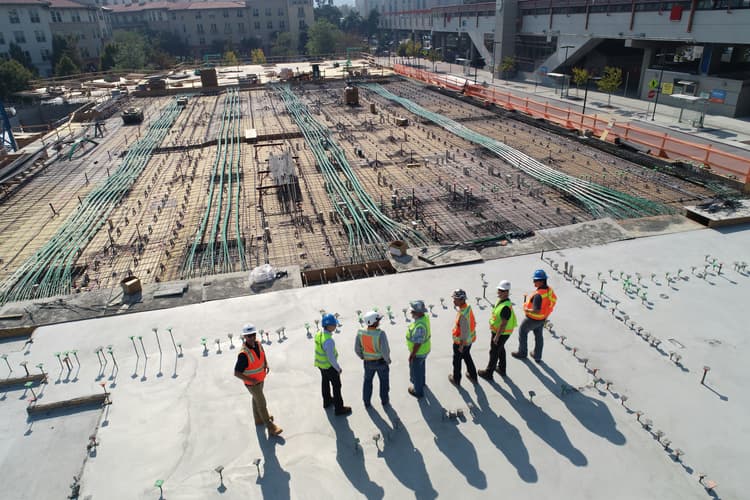
Sequester CO2 with biochar-enhanced concrete
Biochar locks carbon in concrete, reducing emissions and reusing organic waste to create net-zero, circular, and high-performance building materials.
 Holcim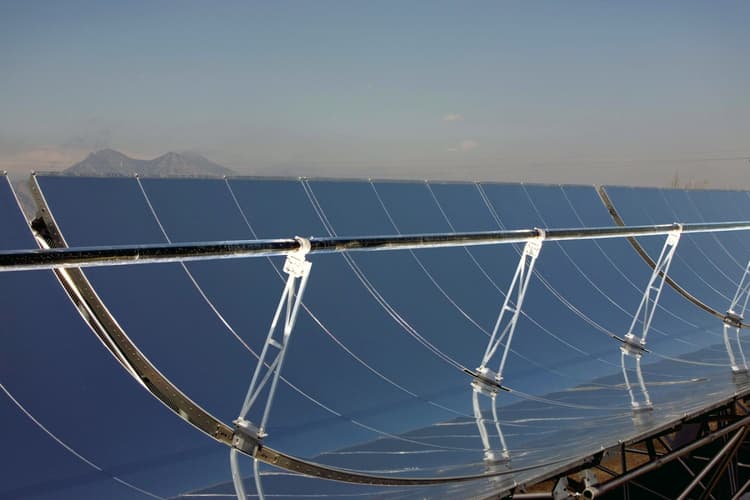
Implement solar thermal to decarbonize industry
Solar thermal for industry serves as replacement for fossil fuel boilers and delivers zero-emissions energy while lowering overall energy costs.
WBCSD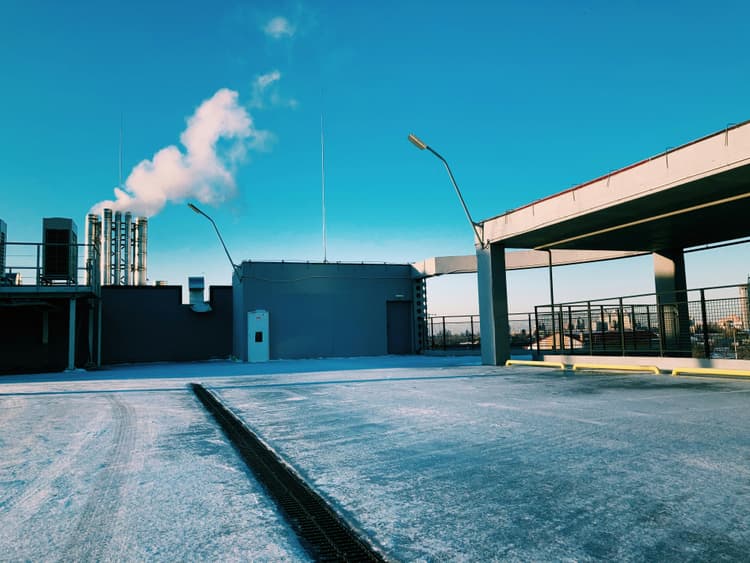
Implement thermal energy storage to decarbonize industry
Thermal energy storage can lower energy costs, decarbonize processes, and improve operational resilience of industrial companies.
WBCSD
Electrify industrial heat generation to eliminate emissions
Electrification of industrial processes achieves higher energy efficiency, lowers emissions, and improves resilience to fossil fuel price shocks.
WBCSD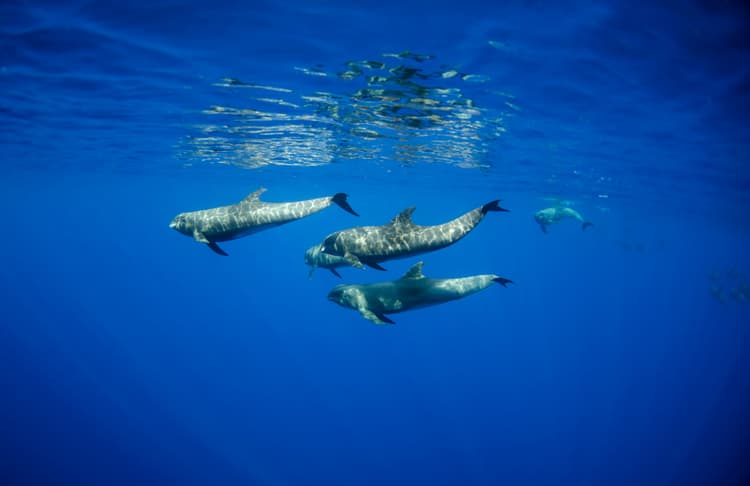
Revive marine ecosystems with bioactive concrete
Bioactive, low-carbon and circular coastal protection solutions, 3D-printed concrete elements and Xstones in artificial reefs to restore marine ecosystems.
Holcim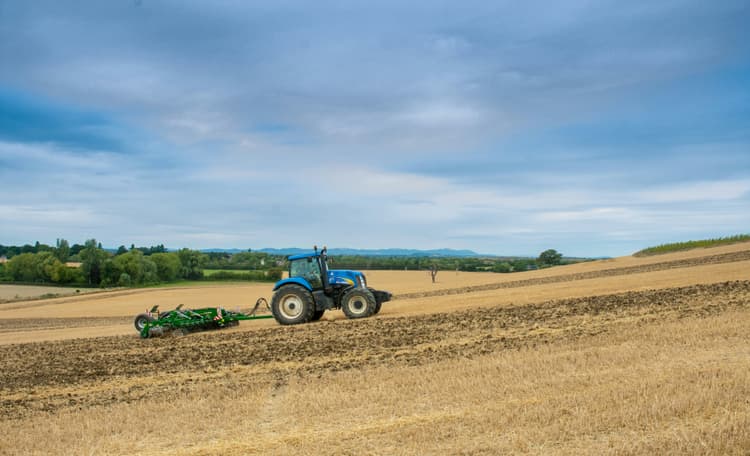
Scale regenerative farming for climate resilience in Morocco
Al Moutmir and Tourba work in synergy to accelerate the uptake of regenerative agricultural practices, promote low-carbon farming, and improve farmer livelihoods in Morocco.
 OCP Group

Implement Climate Transition Plans
Build governance, metrics, incentives, and collaboration systems that empower sustainability teams to turn climate transition plans into measurable delivery.
 The Carbon Trust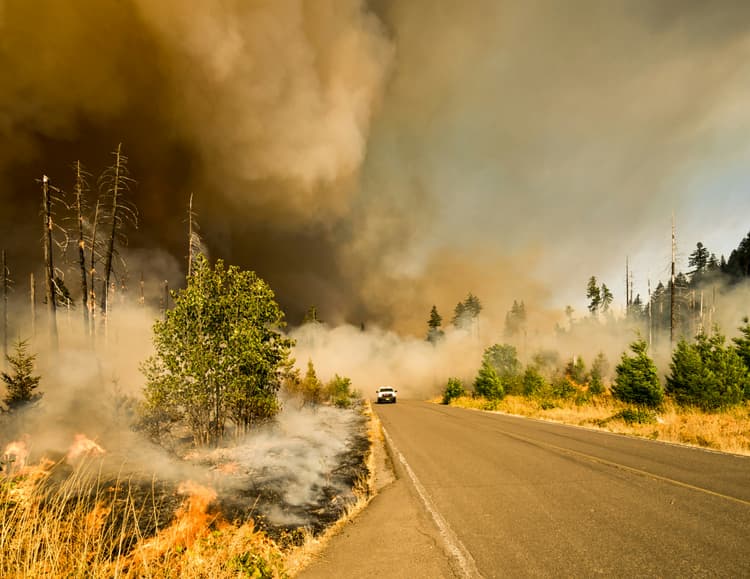
Adapt to wildfire risks with nature-based solutions
Nature-based Solution: Improved land management through wildfire resilience planning, vegetation management, grazing, prescribed fire, wetland restoration, and nature stewardship.
 Santa Clara County Fire Safe Council
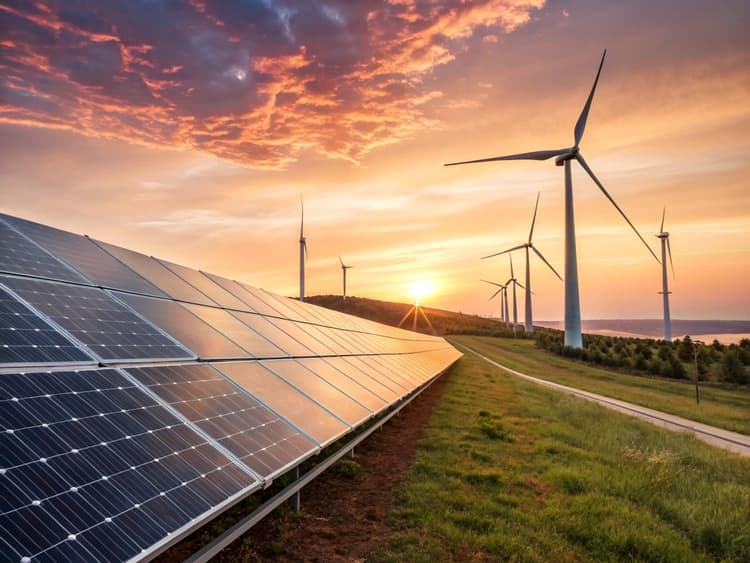
Shift to Renewables: From 0 to 96% in 3 years
Adopted a hybrid solar-wind power model at its manufacturing site under long-term captive PPA, marking a shift from 0 – 96% in 3 years, cutting Scope 2 emissions.
 Sai
Sai
Produce low-carbon vitamin C at scale
Low-carbon Vitamin C produced using clean energy, process innovation, and verified life-cycle assessment, enabling measurable climate benefits.
 dsm-firmenich
Drive decarbonization in oral excipients production
Qualification of greener raw materials (bio-based polymer) and process improvements by backward integration.
 Evonik
Build a low-carbon manufacturing model in agrochemicals
Established a low-carbon manufacturing model integrating renewable energy, product carbon footprint accounting, continuous production technology, and eco-agriculture initiatives.
 Zhonghui Biotechnology
Produce and inject green hydrogen to decarbonize gas network
Produce and inject green hydrogen into natural gas networks, enabling lower-carbon energy distribution and supporting the transition toward cleaner fuels.
 Promigas
Accelerate transition to 100% renewable energy
A commitment to innovation in renewable energy while uplifting surrounding communities.
 Mahindra
Restore biodiversity via forest and wildlife conservation
A coordinated biodiversity strategy integrates habitat restoration, species protection, and sustainable production to balance business operations with nature.
 Grupo Argos
Restore tropical dry forest through mine rehabilitation
Mine closure initiative that restores the Tropical Dry Forest ecosystem through ecological rehabilitation, community training, and long-term monitoring.
 CEMEX
CEMEX
Protect ecosystems through nature-based reserves
Nature-based solutions program that protects native forests, water sources, and biodiversity near mining areas through community-led conservation reserves.
 Corona
Drive Scope 3 reductions through supplier finance
Engages suppliers through a sustainability assessment and finance-linked incentives to advance supply chain decarbonization and ESG performance
 Vestas
Cut carbon emissions by pasteurizing only the concentrate
Pasteurize only the concentrate, rather than the entire product, significantly reduces water and energy consumption during both production and cleaning.
 Tial
Tial
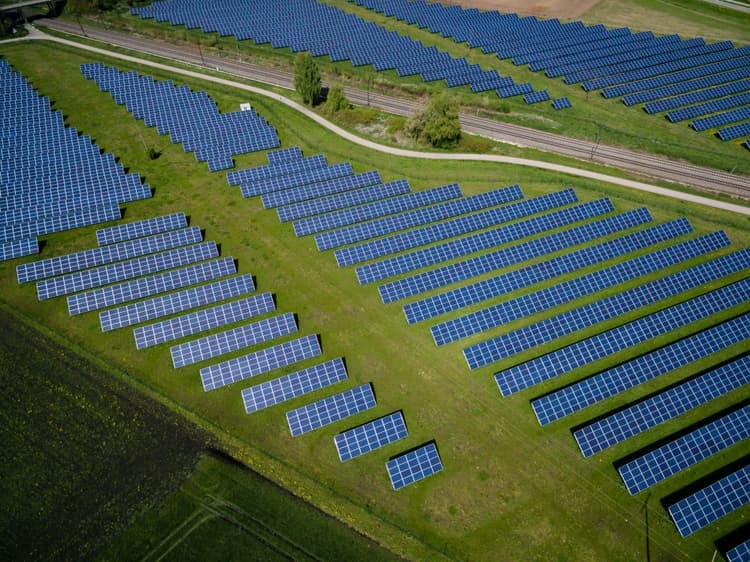
Accelerate smart supply chain decarbonization via renewables
Source renewable electricity for supply chain, enabling faster decarbonization, increasing the scale and speed of renewable energy adoption, and managing Scope 3 emissions.
 Haleon

Drive Supplier Sustainability: From Assessment to Action
Assesses ESG performance of key suppliers and provides targeted support to low scorers to improve readiness for decarbonization
 Syngene International
Mobilize employees for sustainability with 5 Levers Program
Global program engaging employees in sustainable action across key levers, advancing progress toward carbon neutrality by 2050.
 TotalEnergies
Empower indigenous women via sustainable chocolate
An Indigenous-led initiative combining traditional knowledge and sustainable chocolate production to create income and empower local women.
 Norte Energia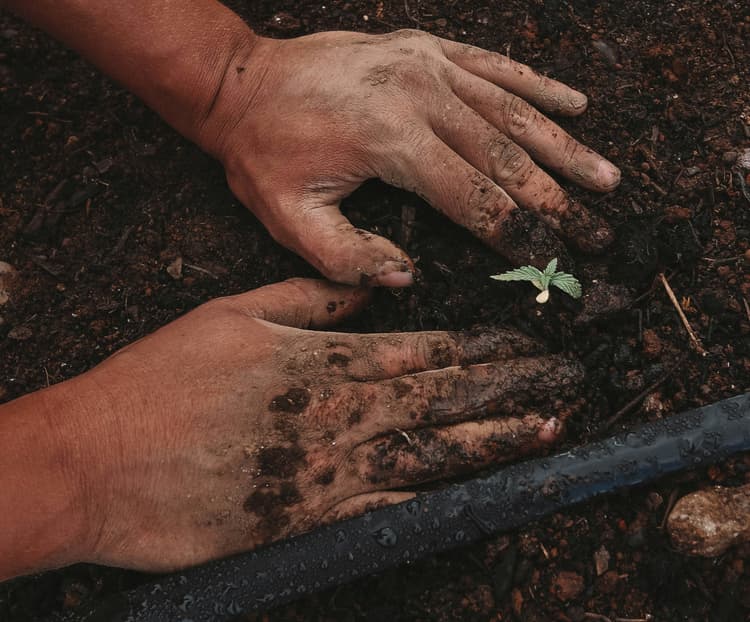
Convert industrial waste into soil treatment
The initiative transforms industrial waste like grits, dregs, lime sludge and biomass ash into products that neutralize soil acidity
Suzano
Adapt to storm risks with nature-based solutions
Nature-based Solution: Restoring native oyster reefs (“spat-on-rock”) to reduce wave energy, stabilize seabeds, and boost coastal resilience for business, people, and nature
 Van Oord
Drive low carbon farming with measurable impact
Pro Carbono promotes regenerative practices, cutting GHG emissions, and boosting soil carbon through tools, training, and farmer incentives.
Bayer
Advance transformation of the renewable grid via PPA cohorts
PepsiCo has formed PPA cohorts with its value chain to diversify scope 2 renewable electricity coverage, reduce scope 3 Energy and Industry emissions and help decarbonize the grid.
PepsiCo
Scale finance to restore Brazil’s native forests
Combine equity co‑founding, concessional lending and supply‑chain finance to scale native forest restoration and conserve vegetation in priority biomes
 Santander
Conserve biodiversity through sustainable palm production
Comprehensive strategy integrating biodiversity conservation, real-time deforestation monitoring, and sustainable certification in palm oil production.
 Feedpalma
Expand access to safe water through community partnerships
Community-driven program providing drinking water access, watershed conservation, and governance strengthening to promote long-term water security.
 Postobon
Engage suppliers to drive supply chain decarbonization
Launched Supplier Decarbonization Program to accelerate supply chain climate action, engaging key suppliers in setting GHG reduction targets
 ENGIE
ENGIE
Advance urban circularity through inclusive waste management
Nationwide initiative enabling cities to adopt circular economy models through social inclusion, waste valorization, and scalable reverse logistics.
 Ambipar Group
Invest in regenerative pasture-based farms in Brazil
Regenerative dairy farming boosts productivity, soil health, climate resilience in Brazil’s Cerrado.
 Danone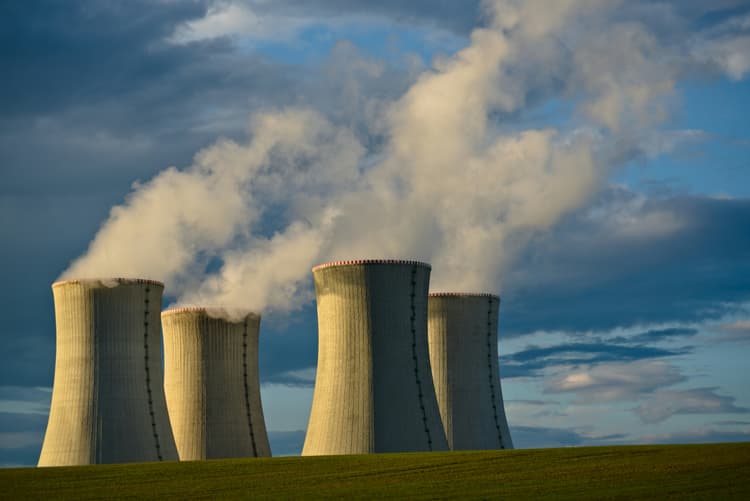
Accelerate clean energy transition with nuclear power
Signing the world’s first corporate agreement to purchase nuclear energy from multiple small modular reactors to be developed by Kairos Power.
Google
Advance deforestation-free beef supply chain
Strengthen ecosystem and business resilience by supporting deforestation-free beef supply chains in high-priority origins through industry engagement
 McDonald's
Scale carbon free energy with clean transition tariff
Clean transition tariff unites corporate procurement and utility planning to unlock investment in advanced energy technologies, boost grid reliability, and increase resource diversity.
Google
Restore degraded pastures in Brazil
Enabling farmers to expand planted areas over degraded pastures instead of clearing native vegetation to do so, thus contributing to preservation.
 Syngenta
Accelerate renewables across value chains
Source 7 TWh of renewable electricity to cover value chain, reducing ~3 MtCO₂e (10% of GHG emissions)
 Mars
Mars
Boost plastic circularity by advanced sustainable packaging
Increased recycled content in packaging, redesigned products, and partnered with recyclers to advance plastic circularity and cut emissions.
 Unilever
Decarbonize metro operations by adopting renewable energy
Reduced metro emissions by adopting renewable energy, achieving cost savings and fully offsetting electricity-related CO2 for key rail lines.
 Motiva Trilhos
Capture and store CO2 from corn ethanol fermentation
Capture CO2 from bioenergy fermentation and store it 1,200 m underground, ensuring safe, leak-proof carbon removal through validated geological reservoirs.
 FS Indústria de Biocombustíveis
Drive supplier action on thermal decarbonization
Bring key suppliers together to accelerate thermal decarbonization by sharing ideas and connecting with top experts and solution providers.
PepsiCo

Reduce emissions in pulp & paper with biomass gasification
Biomass converted into renewable syngas to replace fossil fuels in lime kilns, reducing emissions and boosting energy efficiency
Suzano
Cut embodied carbon using recycled materials
Reduced carbon by 42% through high recycled content and renewable energy in production process, with strict quality control and early project adoption.
 Saint-Gobain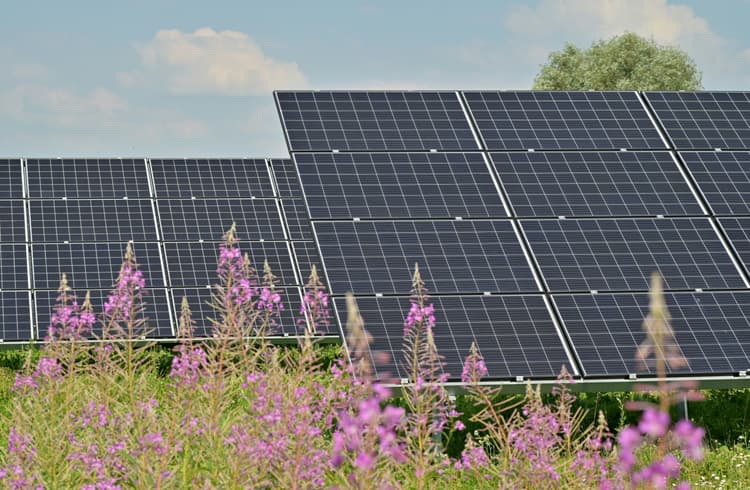
Democratize clean energy in low-income communities
A social solar micro-plant provides energy credits to low-income families, reducing energy poverty and fostering a just transition with a replicable, multi-partner model
 EDP
EDP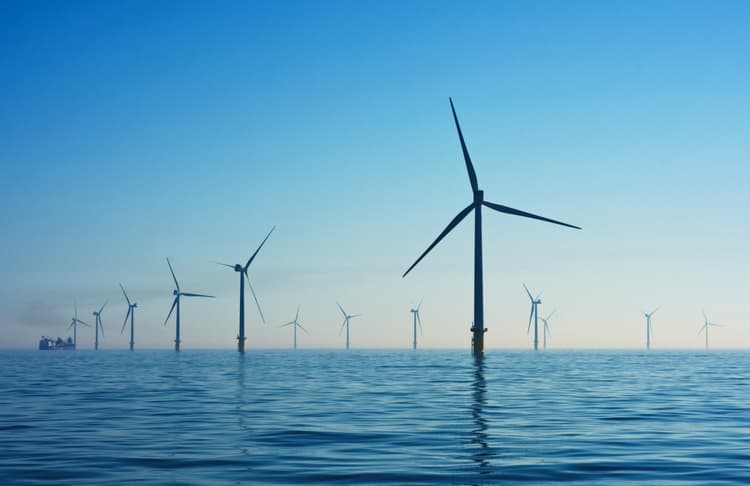
Enhance marine life with floating wind farm project
Aims to increase the ecological function of offshore floating wind farms by installing replicas of natural nursery habitats at the base of wind farm platforms.
ENGIE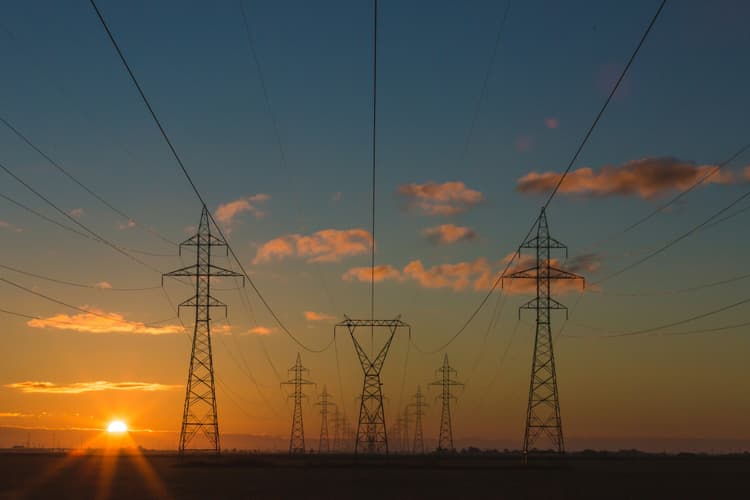
Transform power grids to cut losses and energy waste
Smart grid technology cut line losses by 2.4%, saving 236 TWh and 126.64 Mt CO₂ using AI, smart meters, and performance-driven governance.
 State Grid Corporation of China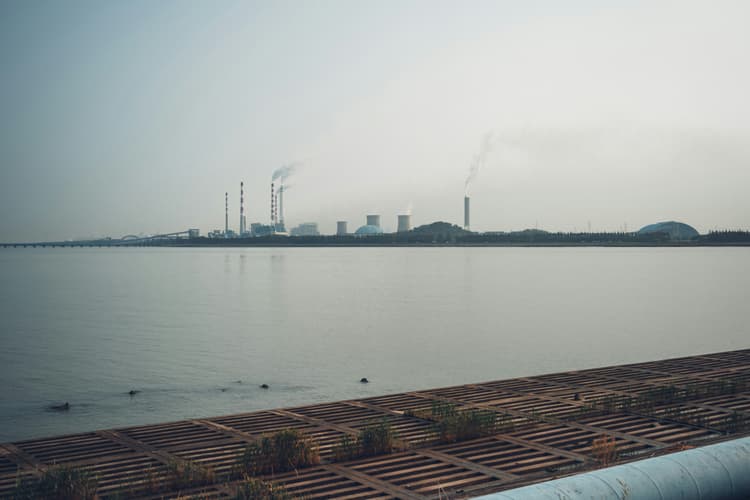
Expand water access through sustainable facilities
Building a sustainable cachaça operation by reducing energy and water use and restoring water access and security, enabling safe access to water and education across communities.
 Diageo
Foster employee awareness on decarbonization
The initiative was the first gamified training in climate change and the company’s ESG commitments offered to all employees, allowing a more engaging learning process.
ENGIE
Drive nature conservation, social capital, and carbon cuts
Conservation that Transforms is a concrete application of the intersection between carbon mitigation, nature preservation, and social capital development.
 Dow
Dow
Drive circular bioeconomy across full value chain
Renewable forests, recycling, and circular ventures driving industries to replace plastics, steel, and concrete with recyclable, bio-based alternatives.
 Empresas CMPC S.A.
Build community wildfire resilience through social action
Community-centred wildfire resilience model combining prevention, education, patrols, & green firebreaks with multilevel governance to prevent fires and protect people/ecosystems.
Empresas CMPC S.A.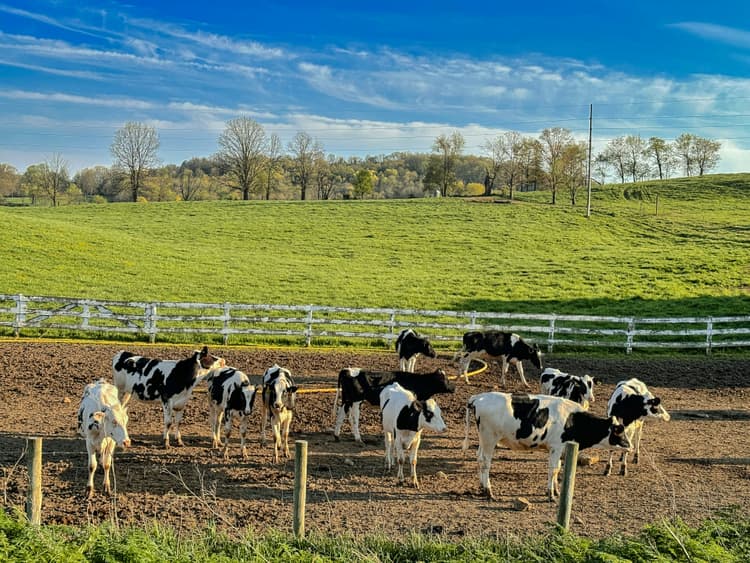
Cut carbon emissions with amino acid-balanced cattle feed
Amino acid-balanced feed improves protein use in dairy and beef farming, cuts nitrogen waste, lowers CH4 and N₂O emissions, and delivers cost savings while supporting farm productivity.
 Meiji
Meiji
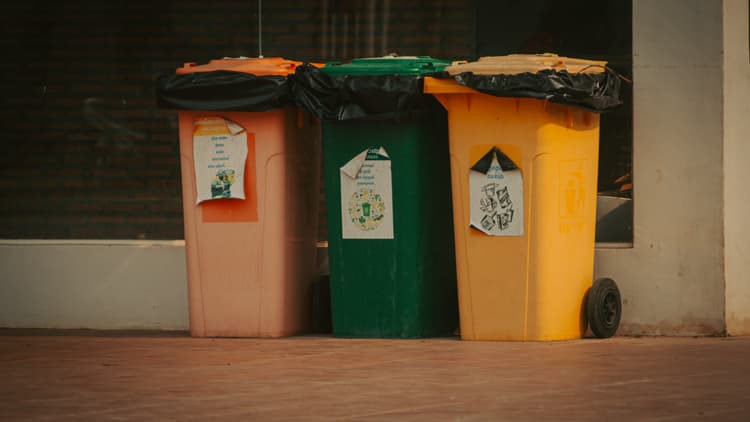
Reward recycling with bonuses on energy bills
Rewards customers for recycling, reducing waste and emissions, raising environmental awareness, and supporting community and sustainable practices.
 Enel
Enel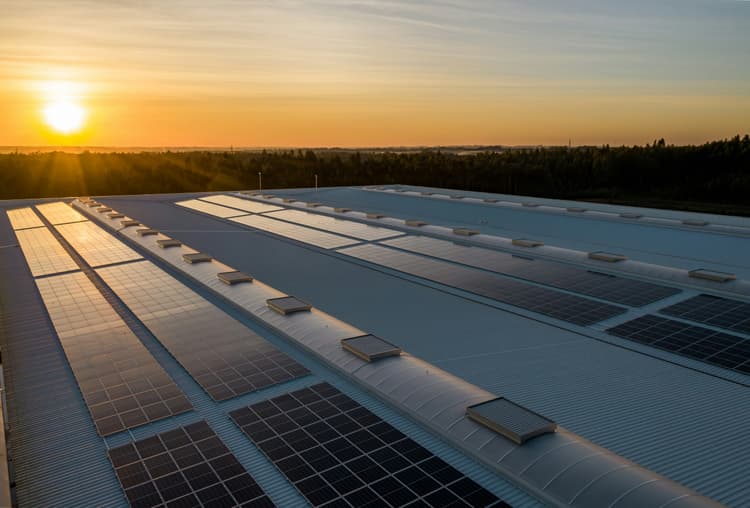
Decarbonize energy with solar, storage, and electrification
Phased decarbonization initiative at Urzut base combining solar, storage, and electrification to cut emissions, reduce energy costs, and ensure energy security.
 ACCIONA
Offer local manufacturing for single use products
Reduce Scope 3 emissions by shifting single-use product supply chains to local manufacturing, enabling lower carbon transport.
Saint-Gobain
Make the business case for the climate transition
Build or strengthen your corporate climate transition by building a compelling business case that secures stakeholder buy-in, aligns finance, and drives climate action.
The Carbon Trust
Build net zero momentum with limited resources
Started with low sustainability maturity and resources but progressed through leadership and collaboration to drive meaningful climate action.
 Espi
Espi
Eliminate 99% Emissions by Switching to Natural Refrigerants
Fogel switched to natural refrigerants (R290, R600a) across all new coolers by 2024, cutting emissions by 99.8% and improving energy efficiency.
 Fogel
Fogel
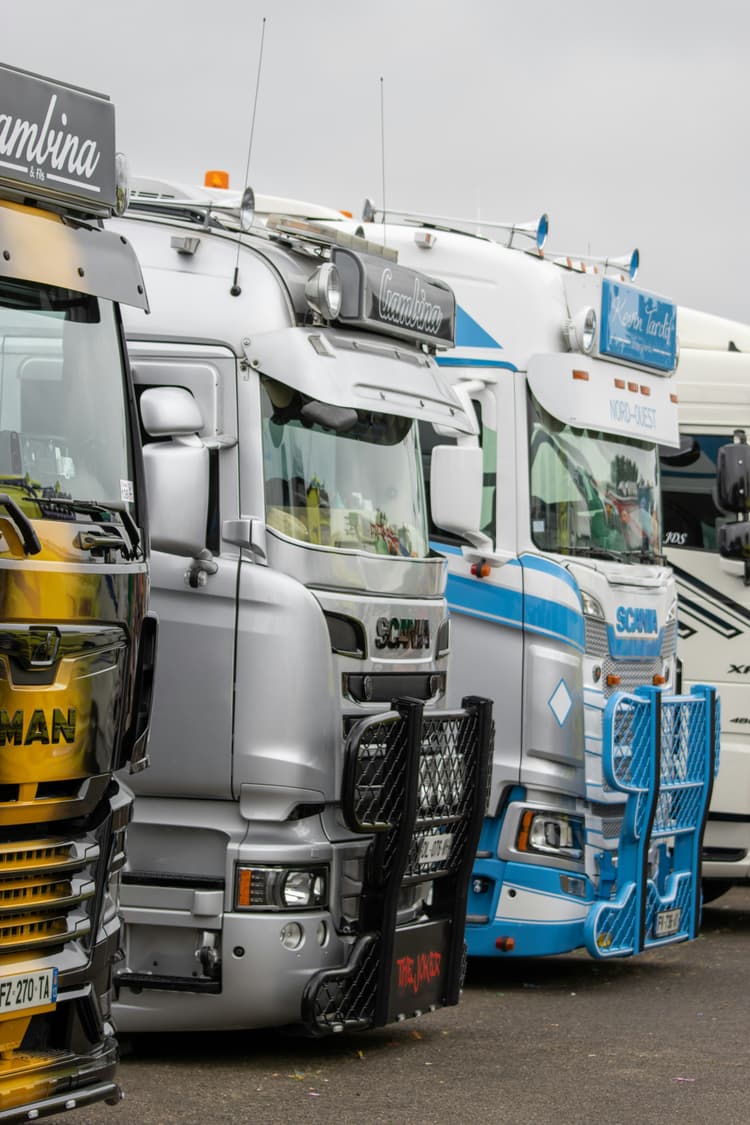
Deploy Battery Swapping for Heavy-Duty Trucks
The automatic battery swapping station for EV trucks can change batteries in just minutes, shortening energy replenishment time and significantly enhancing transportation efficiency
 CATL
CATL
Achieve Zero Scope 2 through 100% Renewable Electricity
Transitioned to 100% renewable electricity across all Brazilian operations by 2025, achieving zero Scope 2 emissions five years ahead of target.
 Valgroup
Remove Scope 2 Brazil Emissions through Renewable Sourcing
Matched all purchased electricity in Brazil with renewable energy certificates, eliminating Scope 2 emissions and improving energy resilience.
 Amcor
Amcor
Adapt to extreme heat risks with nature-based solutions
Nature-based Solution: Improved land management at Adelaide Airport to reduce the impact of heatwaves and generate tangible business benefits.
 Adelaide Airport
Develop and Apply Carbon‑Neutral Packaging Outliner Paper
Develop carbon-neutral packaging outliner paper through energy efficiency improvement, renewable electricity, biogas substitution, and lean production.
 Century Sunshine
Minimize Solvent Use with Near Infra-Red Spectroscopy
BarthHaas UK’s QC Lab replaced toxic solvents with NIR spectroscopy for hop analysis—cutting emissions, waste, and risks while setting a new sustainability benchmark.
 BarthHaas
Publish a Transparent, Science-Based Climate Plan
Proactive approach by holding deep dive sessions, outlining key actions across the value chain (low carbon Al, RE energy & electrification, recycled content, lightweighting...)
 Ball
Ball
Cut Emissions by Expanding Recycled Content
Valgroup implemented mechanical, advanced (pyrolysis), and deinking recycling technologies to expand circularity and reduce GHG emissions across its portfolio.
Valgroup
Automate Carbon Accounting Across Scopes 1-3
Jornada Verde is Valgroup’s software for Scopes 1, 2, and 3, ensuring accurate, traceable GHG data via ERP integration, aligned with the GHG Protocol.
Valgroup
Cut Furnace Emissions with Hydrogen-Rich Coke Oven Gas
Verallia powers glass furnaces with coke oven gas containing 40% hydrogen, replacing natural gas. Now 50% of melting energy is covered, cutting 8,000 tCO₂e annually.
 Verallia
Partner to decarbonize the citrus supply chain
Partnering with key citrus suppliers to gather primary Product Carbon Footprint (PCF) data, improving Scope 3.1 emissions tracking, reduction, and providing quality data for customers.
 Givaudan
Deploy magnetic compressors to decarbonize manufacturing
By replacing piston and centrifugal compressors, maglev air compressors deliver 13% energy savings, cut operating costs, and reduce Scope 2 emissions by 352 tCO₂e each year.
 Huaxing
Create investment strategy for hydrogen purchase agreements
Toolkit detailing how senior leaders can support the adoption of low-carbon hydrogen, including through Power Purchase Agreements (PPAs).
 WBCSD
WBCSD
Embed Scope 3 decarbonization in procurement practices
Scope 3 emissions management in procurement can empower organizations to bridge ambition-action gaps, driving sustainability through procurement-focused strategies.
WBCSD Climate Masterclass Series
Use Marginal Abatement Cost Curves (MACC) in procurement
A collaborative approach to map supplier decarbonization costs, focusing on baseline and Marginal Abatement Cost Curves (MACC).
WBCSD Climate Masterclass Series
Link supplier financing to decarbonization metrics
Sustainable Supply Chain Finance (SSCF) ties financial solutions for suppliers to their sustainability metrics, as explained by BSR for the Transform To Net Zero initiative.
WBCSD Climate Masterclass Series
Use recycled plastic for flexible packaging globally
Reduce carbon footprint by optimized specifications (reduced plastic), maximize recycled plastic use, ensuring all packaging is recyclable, applying collection and recycling schemes to reuse material.
 Yara
Yara
Use bonus-malus tool to integrate ESG in supplier tenders
BASF further integrated ESG criteria into its procurement process with BonusMalus tool to provide up to 5.5% bonus or malus to suppliers’ tenders in bidding process, based on ESG performance.
BASF
Map suppliers’ ESG progress on Scope 3 with maturity levels
Klöckner Pentaplast engaged their top 50 suppliers, classifying them into four different maturity levels, to reduce Scope 3 emissions.
 Klöckner Pentaplast
Use solar desalination to produce clean water
Solar desalination provides clean water using only sea and sun at private island development company Ki'ama Bahamas.
 Ki'ama Bahamas

Engage suppliers on Scope 3 with custom workshops
PMI’s Sustainability Accelerator is a program designed to increase supplier capabilities and performance across the value chain by sharing PMI’s sustainability learnings with its suppliers.
 Philip Morris International
Optimize company-wide management of energy efficiency
LYB’s value enhancement program (VEP) is a company-wide program reducing costs and emissions by saving energy in procurement, logistics, and customer service improvements.
 LyondellBasell
Switch to regenerative furnace system in glass production
Beta Glass PLC has implemented a regenerative heat technology and electricity boost system to reduce energy intensity by 8% using less energy to melt a ton of glass.
 Beta Glass
Reduce carbon footprint in packaging coatings value chain
Carbon reduction plan for coatings value chain, incl. process efficiency, circular solutions, solvent reduction, and water-based materials, led to 9% Scope 3 CO2e reduction in 2023 vs 2018 baseline.
 AkzoNobel
Implement metrics system for circular packaging
DS Smith Packaging created a set of Circular Design Metrics with five focus areas including design, recovery, and efficiency, applying them into the manufacturing process.
 DS Smith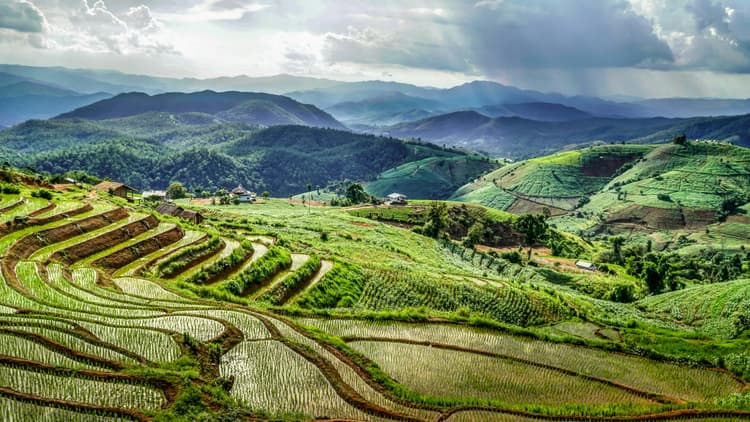
Use biostimulants to reduce fertilizers and increase yields
Ajinomoto Agri Solutions used amino-acid rich biostimulant substances to reduce nutrient use, reduce fertilizer inputs, and increase yields of rice cultivation in their operation in Thailand.
 Ajinomoto Agro Solutions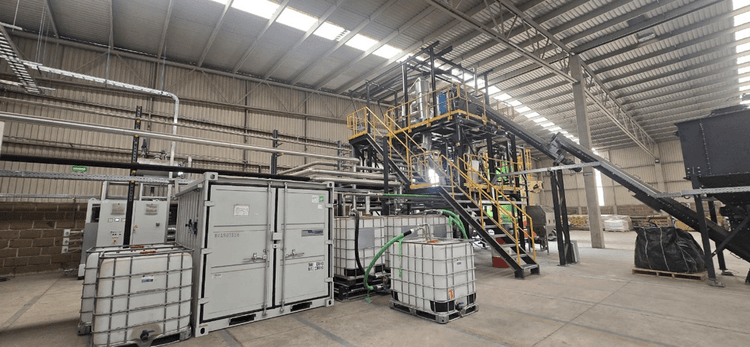
Recycle polyurethane reactor in refrigeration industry
Imbera/EOS implemented a reactor that can chemically process up to 400 tons of waste polyurethane from old coolers, and transformed it into recycled raw material for new coolers.
 Imbera
Provide sustainability platform for smallholder farmers
Symrise created a platform for a partnership to empower smallholder farmers with sustainable practices, improving livelihoods, environment, and product quality for a sustainable future.
 Symrise
Re-use excess energy from operations to heat buildings
Novonesis uses captured energy from operations to heat homes through a district heating system in Greater Copenhagen.
 Novonesis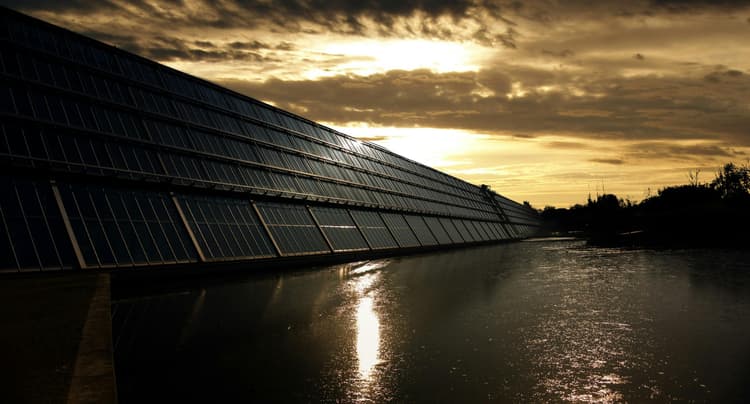
Apply solar thermal water heating in industrial processes
Givaudan implemented solar concentrators to preheat boiler water, significantly reducing natural gas consumption and GHG emissions in Cuernavaca.
Givaudan
Switch to carbon-free fertilizers in agriculture
Wyckoff Farms Inc. conducted an effective collaboration with Atlas Agro in growing hops with a carbon-free fertilizer, reducing carbon emissions by nearly 1000 tons.
 Wyckoff Farms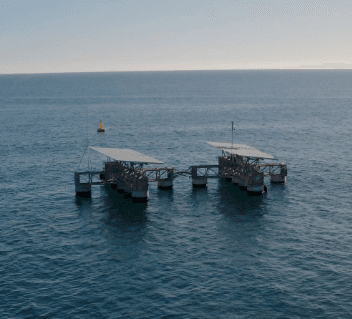
Deploy high wave-resilient offshore floating solar
This floating offshore demonstrator proved significant efficiency and production gains over comparable onshore rooftop solar installations.
 Port de Sète
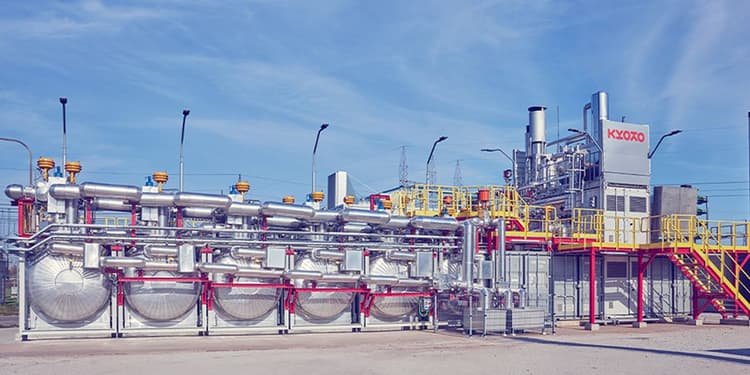
Use molten salt energy storage in heating and industry
Kyoto Group's Norbis Park Heatcube, a molten salt thermal energy storage system, supports Norbis Park with replacing coal-generated district heating by renewable energy, reducing CO2 emissions.
 Norbis Park
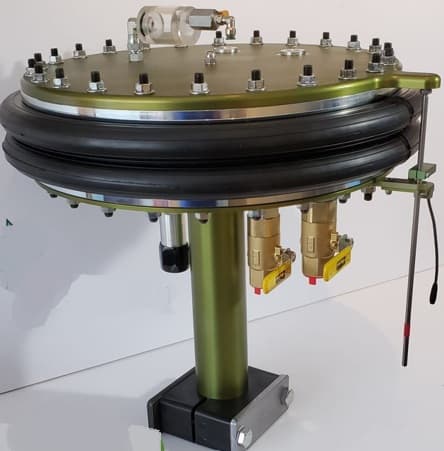
Switch to variable volume oil reservoir in heavy machinery
Traditional hydraulic oil reservoirs in heavy machinery were replaced with Smart Reservoir technology of variable volume reservoirs, resulting in lighter machines and a reduced carbon footprint.
 MBI Global

Switch to hybrid-electric furnace design in glass production
Ardagh Glass’s NextGen Furnace uses hybrid technology to reduce the carbon footprint of commercial-scale glass production, by replacing fossil fuel energy with renewable electricity.
 Ardagh Glass Packaging
Optimize water use for rice irrigation
Adecoagro implemented Precision Leveling, Polypipes, and several technologies to reduce the use of water in rice fields up to 30%, optimizing irrigation and minimizing environmental impact.
 Adecoagro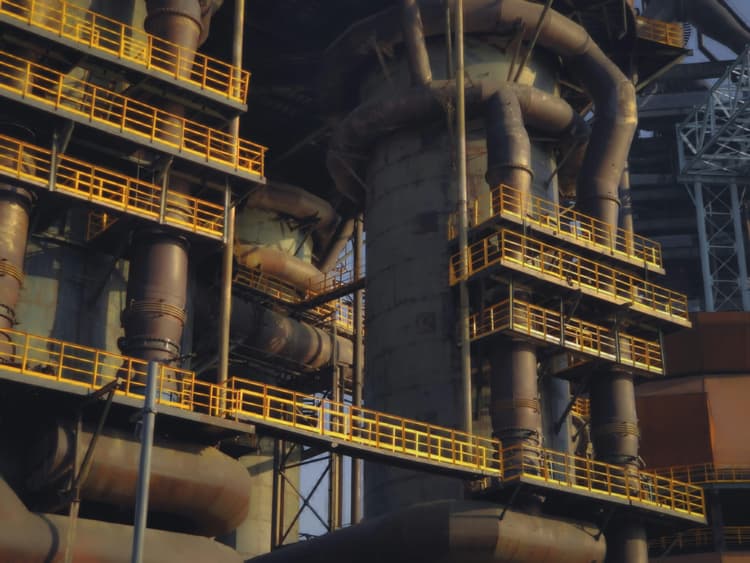
Replace industrial boilers with biomass boilers
Industrial boilers were replaced with newer technology using biomass, for malt production at Agraria, based on GHG Protocol Brazil
 Agraria
Create additive renewables within grid
Kalsec enrolled in its energy provider's Large Customer Renewable Energy Program; in 2028, half of the primary site’s yearly electricity will come from in-grid utility scale renewable sources.
 Kalsec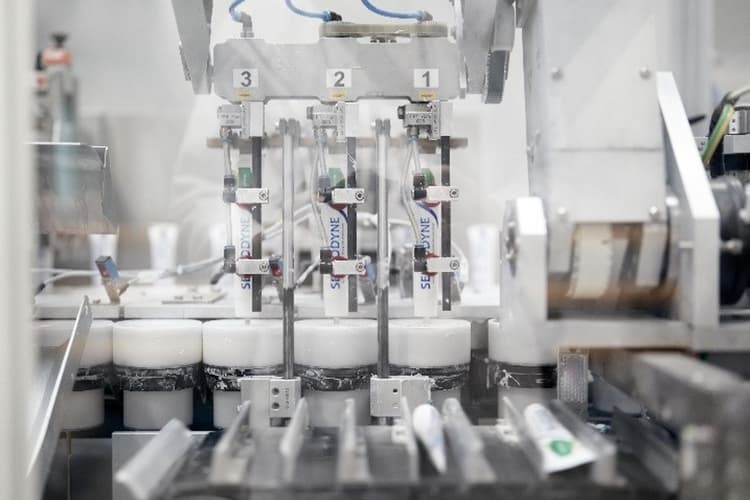
Integrate carbon pricing in supplier tenders
A program to incentivize decarbonization, baselining, drive low carbon supplier selection while educating procurement teams by building carbon pricing into procurement tenders.
 Haleon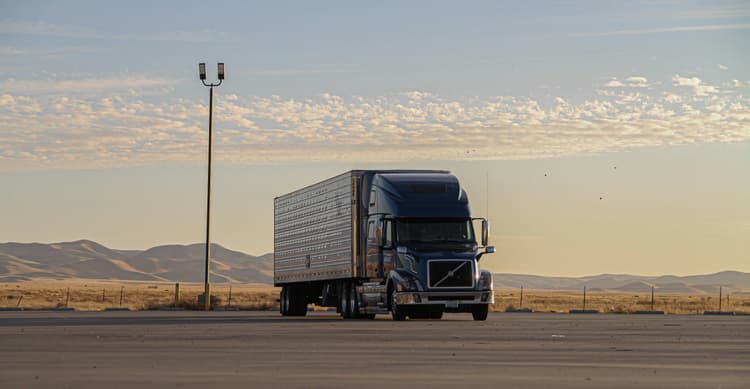
Use eco-driving application for logistics and heavy vehicles
Adaptive eco-driving reducing emissions and fuel/energy consumption in heavy-duty vehicles through real-time speed adjustments based on vehicle-to-everything (V2X) road and vehicle data.
 Trans Italia
Utilize floating solar power plant installations
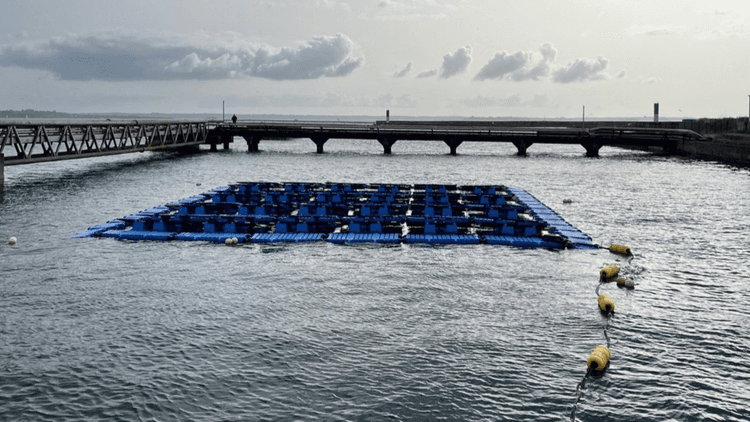
HelioRec installed a 25kW floating solar project in Brest Port, France, overcoming extreme tidal changes, waves and high winds, while saving electricity costs and creating renewable energy.
 BrestPort
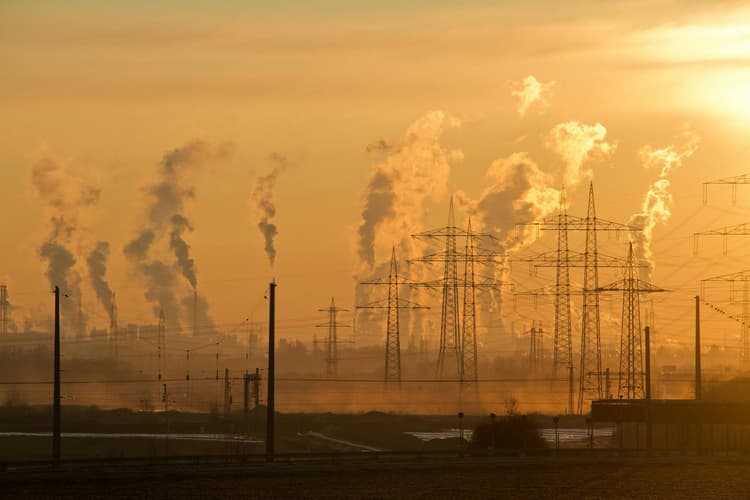
Apply 3-phase program for global supplier decarbonization
The Zero Carbon Project’s 3-phase program uses digital solutions, active engagement, and agile governance to reduce GHG emission intensity by 38% across 1,000 suppliers, aiming for 50% by 2025
 Schneider Electric
Engage SME suppliers and customers
Reduce Scope 3 emissions and drive a just transition by helping suppliers and customers commit to net zero. Use the SME Climate Hub to support them in measuring, reducing, and reporting emissions.
 SME Climate Hub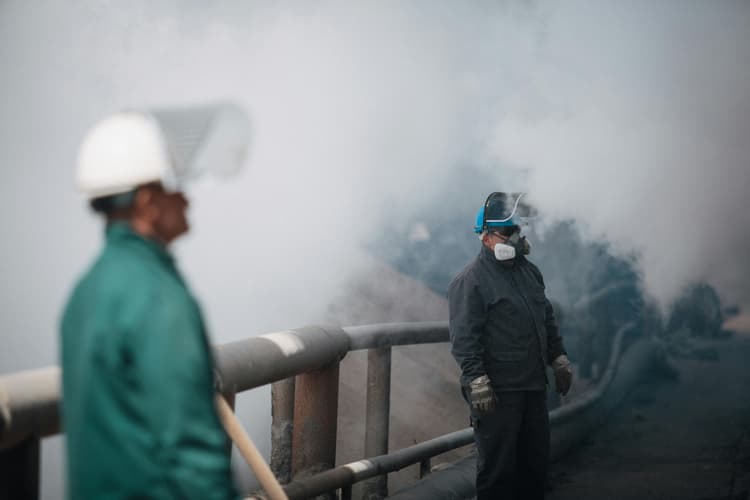
Industrialize filterless ambient air purification
Industrialize filterless APA pollution abatement technology to reduce air pollution in manufacturing environments, protecting workers' health and the environment.
 Comau
Comau

Use regenerative practices to reduce agricultural emissions
Regenerative agriculture uses a combination of various sustainable farming techniques to capture GHGs in soil while improving soil health, crop yields, and biodiversity
 BCG
BCG
Transform product portfolio with assessment methodology
Evaluation methodology for sustainability evaluates products in the portfolio based on set criteria, promoting innovation and classifying offerings
 Sika
Sika
Optimize solvent recycling and recovery
Solvent recovery and recycling initiative significantly reduces carbon emissions and promotes sustainable processes in pharmaceutical manufacturing.

Reduce food waste & costs with data analytics & tech system
Hotels Magic Costa Blanca uses LightBlue's FIT Food Waste Tech system with significant reductions in food waste, costs, and carbon emissions.
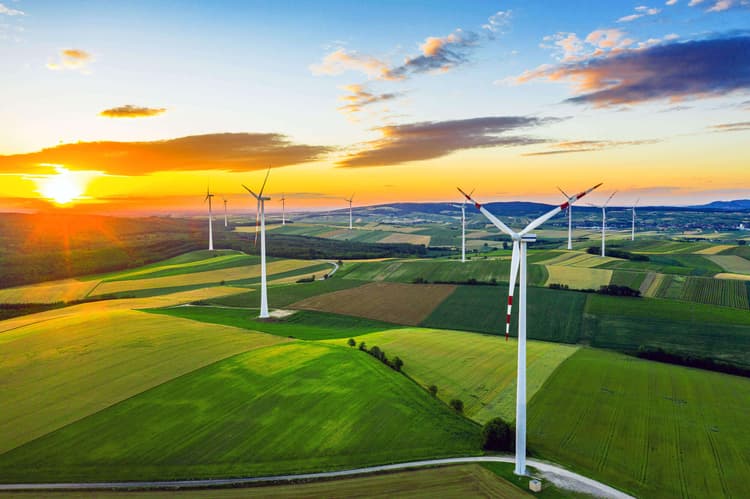
Build a strategic approach to renewable electricity sourcing
A well-designed renewables strategy reduces a company’s carbon footprint and hedges against energy market volatility, often lowering energy costs
 ENGIE Impact
Enhance building energy efficiency through AI automation
AI-powered automation solution to optimize the energy efficiency of the HVAC system of a large office complex, resulting in significant energy and cost savings.
 Patrizia AG
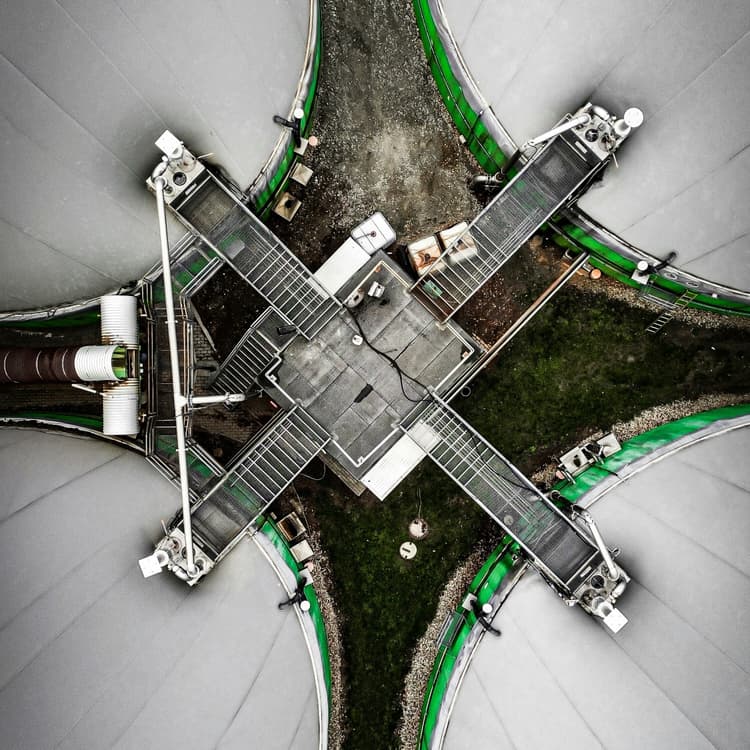
Convert biowaste into biogas to accelerate decarbonization
Manufacturers can significantly reduce their carbon footprint and recycle their organic waste by using it as biomass feedstock to generate biogas and biomethane
ENGIE Impact
Optimize lubricant application in industrial turbines
SRP, a major US power utility, partnered with Fluitec to transform their consumable turbine oils into lubricants that will last the life of their turbines, reducing costs and CO2e
 SRP
SRP

Optimize electric vehicle design to reduce energy use
Aptera Motors collaborated with AirShaper to optimize the aerodynamics of a solar electric vehicle resulting in significant energy efficiency gains and reduced environmental impact.
Design a voluntary carbon credit portfolio
Understand the effectiveness of a portfolio approach for the use of voluntary carbon credits and how to construct one successfully
WBCSD
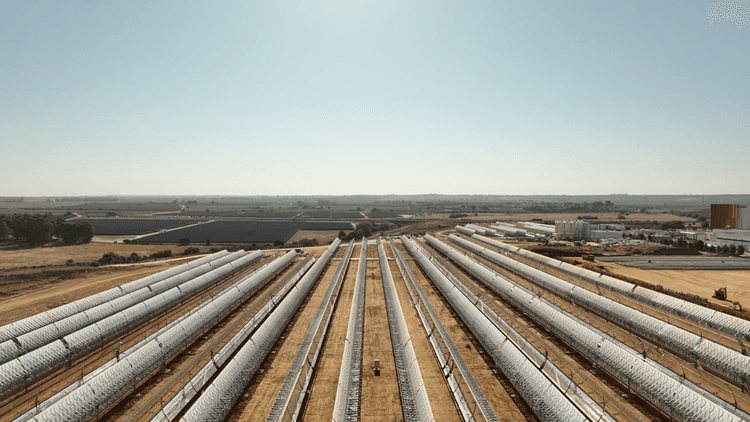
Utilize solar thermal HaaS to cut industrial emissions
Heineken uses a Heat-as-a-Service model to utilize solar thermal power to reduce emissions from heat generation.
 Heineken
Activate the organization to support sustainability goals
To achieve climate goals, companies must embed sustainability throughout their operating models, including in aspects of org design, business processes, and corporate culture.
BCG
Adopt an internal carbon price to drive decarbonization
Incentivize low-carbon decision-making by setting a price on carbon, enabling a direct linkage of the low-carbon transition to the business strategy.
WBCSD
Measure and reduce Scope 3.1 purchasing emissions
Use AI to calculate and measure primary emissions data from suppliers and assess the type of engagement required to assist them in decarbonizing hotspots.
 CBRE
CBRE
Integrate climate into corporate financials
Companies must establish systems to integrate climate with financials to support decision-making processes and align with value and risk drivers to fund essential transformations.
BCG
Maximize value from climate reporting
Transform climate reporting from a compliance exercise to a strategic advantage by turning reporting into a tool for sustainable growth and societal impact.
 PwC UK
Integrate climate into strategic planning
Use scenarios and sensitivity analysis in climate-based strategic planning to identify risks/opportunities, prioritize actions for resilience & align portfolios with climate goals.
BCG
Reduce CH4 & N2O emissions with livestock manure management
Manure management can significantly decrease methane (CH4) and nitrous oxide (N2O) emissions, as well as prevent loss of nutrients to the environment.
WBCSD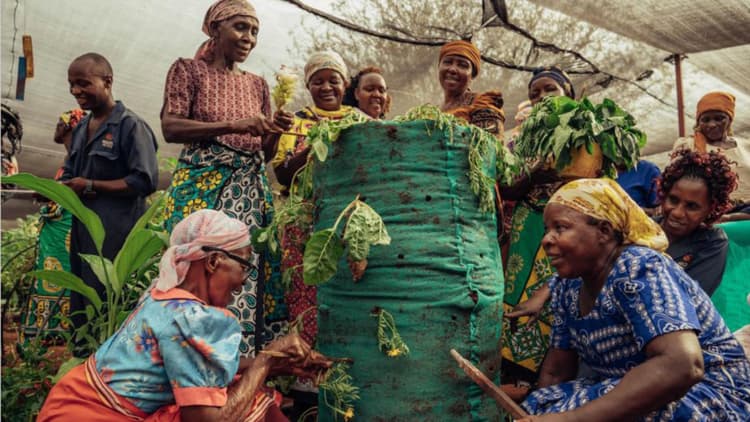
Procure natural climate solution carbon credits
Investing in high-quality natural climate solution (NCS) carbon credits is crucial for companies to demonstrate leadership, for climate mitigation, nature conservation, and socio-economic growth.
WBCSD
Enable Scope 3 data transparency
T-Systems leverages The Climate Choice's intelligence platform to automate Scope 3 data collection and analysis, enabling transparency and targeted supplier engagement
 T-Systems

Leverage MACCs to inform decarbonization strategy
Decarbonization lever deployment should be prioritized by cost and abatement impact, and non-financial considerations in line with organizational goals.
BCG
Design climate transition plans – an overview
Actionable climate transition planning must be integrated into broader corporate strategy and backed by robust roadmaps that are underpinned by value creation.
BCG
Reduce rice cultivation emissions via integrated methods
Integrated approaches for more sustainable rice cultivation significantly reduce methane (CH4) emissions while also generating positive impacts for nature and farmer livelihoods.
WBCSD
Prioritize and implement decarbonization levers
Choosing the right decarbonization levers for your organization is essential to success. Understand key considerations, methods of lever prioritization, and how to overcome challenges.
PwC UK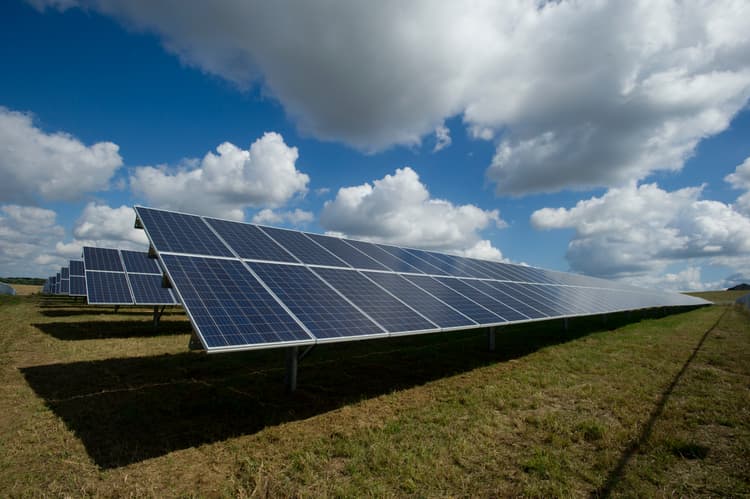
Opt for mixed land use to generate clean energy
Mixed land use provides an opportunity to generate renewable energy while improving land productivity and enhancing livestock welfare
The Carbon Trust
Reduce shipping emissions with renewable fuels & efficiency
Alternative fuels, as well as operational and technological efficiency measures, offer pathways for the shipping industry to meet decarbonization challenges
BCG
Use geothermal energy to decarbonize warehouses and offices
Shallow geothermal, also called geoenergy, significantly reduces CO2 emissions to heat and cool buildings, and reduces energy consumption and operational costs

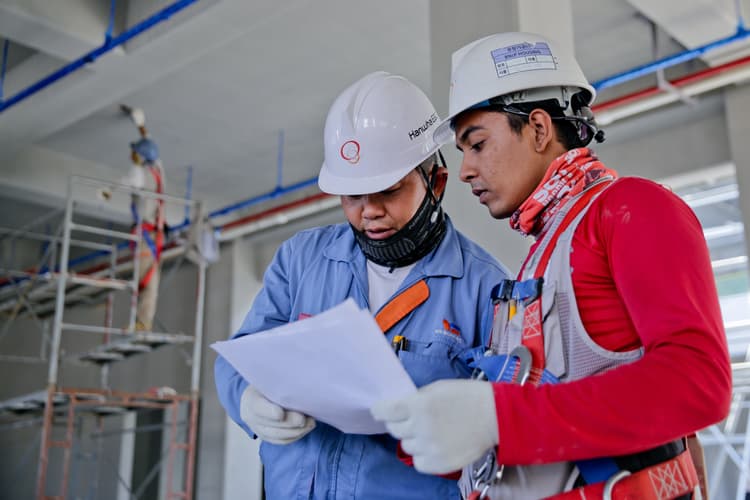
Integrate energy management systems in pulp and paper mills
Integrating the ISO 50001 Energy Management System leads to significant GHG emissions reductions and cost savings.

Embed decarbonization requirements in procurement
Decarbonize procurement by defining requirements tailored to: supplier context, timing in negotiation, desired inputs/outcomes, degrees of fulfillment, rewards/penalties, and scale
BCG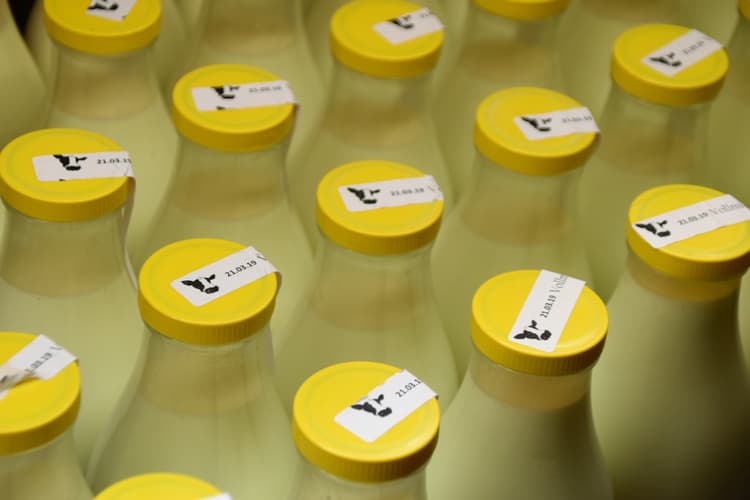
Incentivize regenerative agriculture in dairy production
Support the transition into a sustainable and regenerative milk production by implementing programs to encourage, technically support, and renumerate dairy farmers.

Adopt heat recovery technologies in the pulp mill
Adopting heat recovery technologies in the pulpmill can increase efficiency of operations, recovering waste generated as a by-product of the pulping and papermaking process.
 Forest Solutions Group
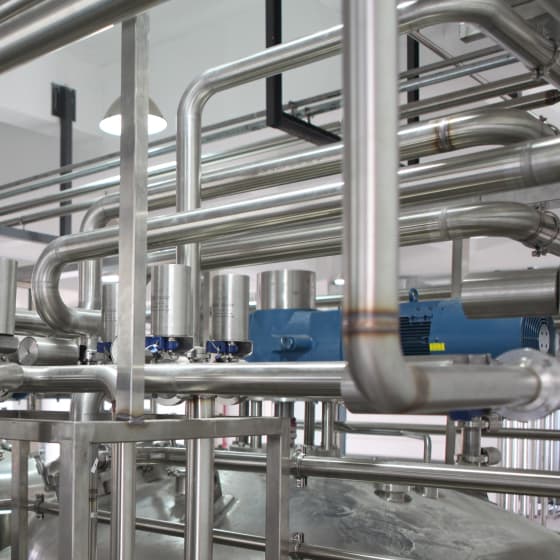
Reduce furnace CO2 emissions with a heat exchanger
Installing a Heat Recovery Tower recovers generated heat and reduces HFO (heavy fuel oil) consumption, reducing costs and with no impact on production
Unilever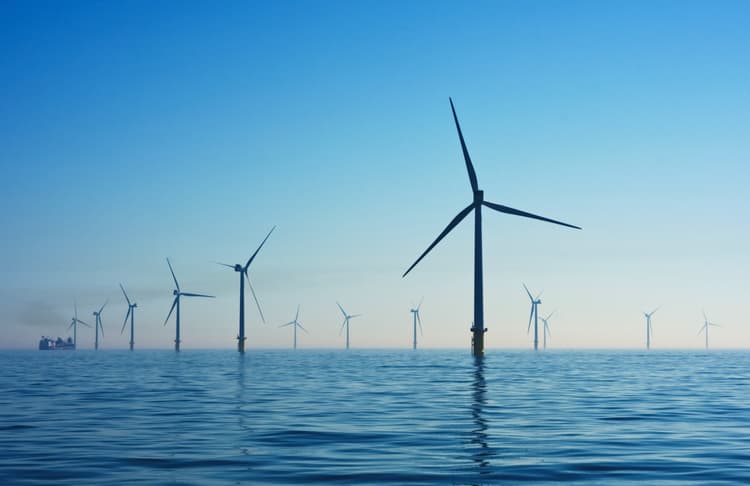
Move to offshore wind electricity generation
Wind offshore electricity generation harnesses higher and more consistent wind speeds and can reduce CO2 emissions compared to coal-based electricity
WBCSD
Design a supplier engagement program
Develop supplier engagement plans for Scope 3 upstream decarbonization by securing buy-in, segmenting, tailoring engagement, and supporting the decarbonization journey of suppliers
BCG
Use a simplified lease program for renewable energy
Cathay Life will purchase renewable energy on behalf of its tenants and redistribute it based on clients’ RE100 annual goal

Transition to a just, net-zero, and nature positive economy
Addressing the climate emergency and nature loss is impossible without putting people at the center and ensuring a just transition that is equitable and inclusive for all.
WBCSD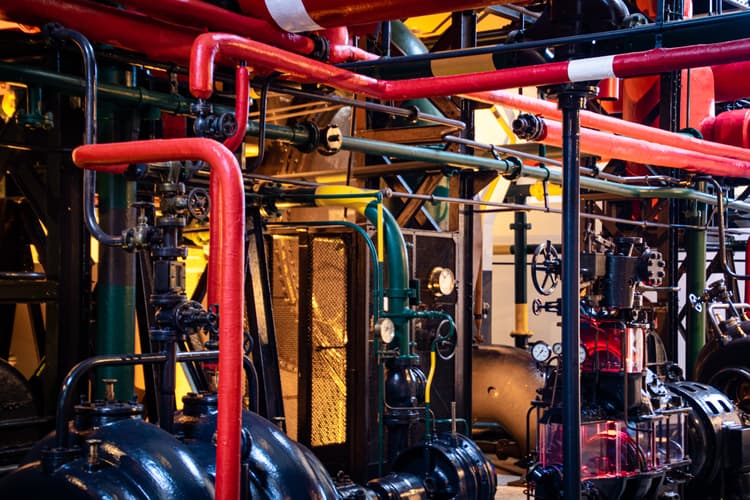
Reduce fuel oil through hydrogen substitution
By retrofitting an oil-fired lime kiln, the Pacífico pulp mill aims to reduce fuel oil consumption and GHG emissions by using residual hydrogen from a nearby sodium chlorate plant.

Develop in-house web-based tools to calculate CO2 footprint
Şekerbank developed an automatic digital system to monitor its carbon and water footprints, and customers can also have their emissions calculated using the application
 Şekerbank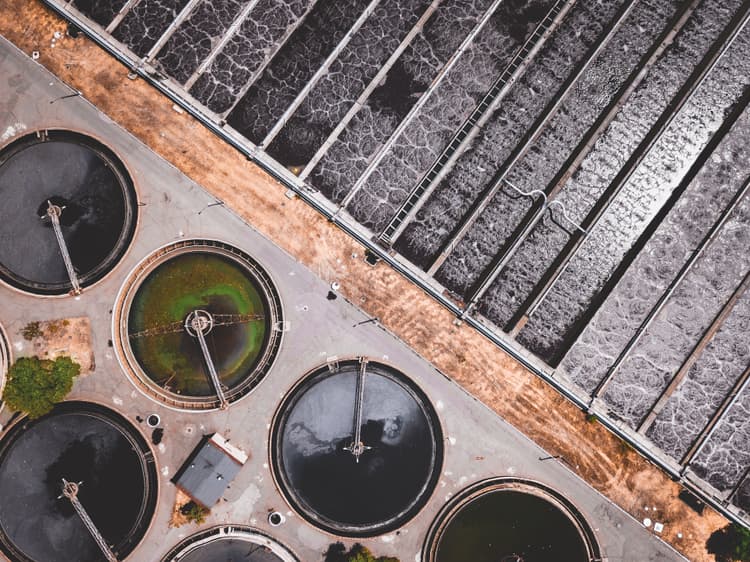
Transform sewage sludge into agricultural fertilizer
Transforming waste water treatment plants sludge into fertilizer, called biosludge, for planting or restoring pastures

Create sustainability-linked financial instruments
ACCIONA creates financing instruments that are subject to clear and transparent criteria, pursue economic and sustainable/green objectives, and deliver additional local impact

Adopt smart storage solutions to reduce food waste
Around 13% of food loss occurs due to inadequate refrigeration; sustainable cold chains can reduce emissions and increase revenue by keeping perishable items fresher for longer.
The Carbon Trust
Reduce food waste with efficient packaging
Packaging can reduce food waste by extending shelf life and preventing contamination. However, packaging strategies should be carefully designed to minimize waste and emissions.
The Carbon Trust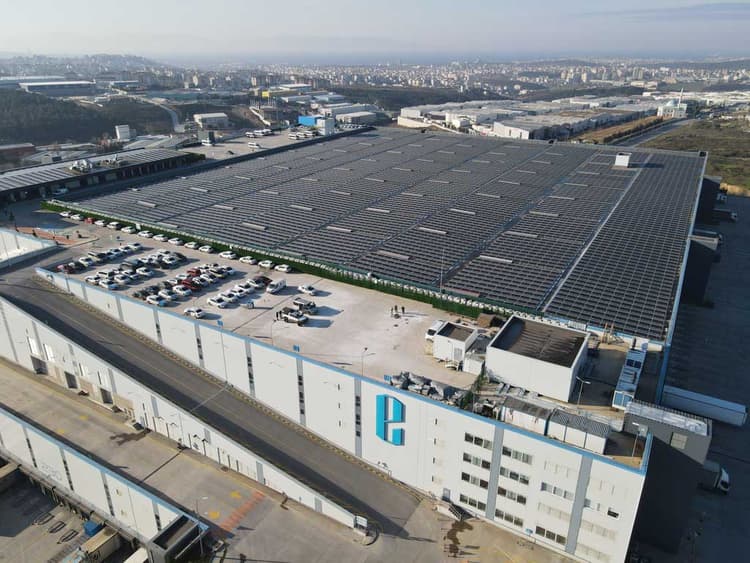
Invest in solar power for affordable and clean energy supply
Companies can develop rooftop solar power infrastructure to cut emissions and achieve energy independence
 Ekol Logistics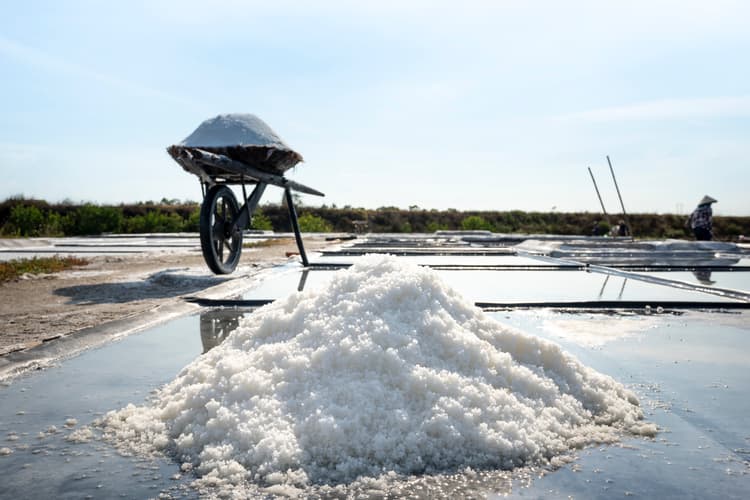
Produce sodium chlorite with clean energy
Cutting emissions by reducing imports while addressing Scope 2 emissions through the use of clean electrical energy.

Change product standard requirements to reduce food waste
Large volumes of food are discarded because they don’t meet aesthetic standards. Changing product standards could reduce food waste, associated emissions, and financial losses.
The Carbon Trust
Design low-carbon products with circular economy principles
Design low carbon products by incorporating circular economy principles into product design focusing on eco-friendly materials & energy efficiency.
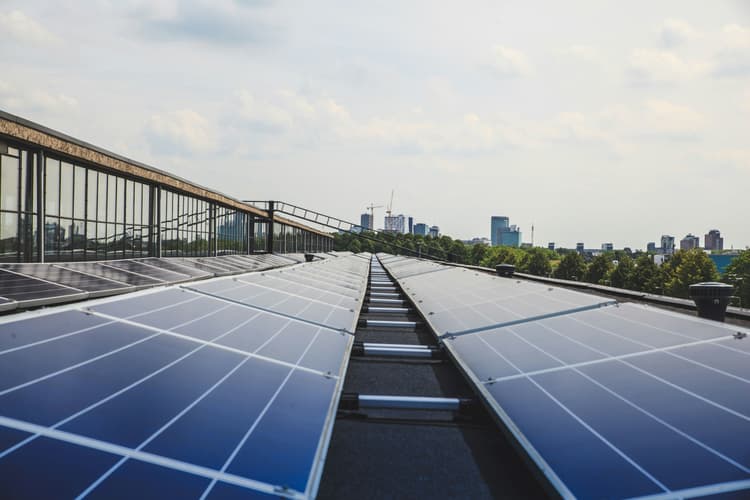
Use renewable energy through distributed generation
Neutralizing GHG emissions from Iguá's electrical matrix using renewable energy from distributed generation.
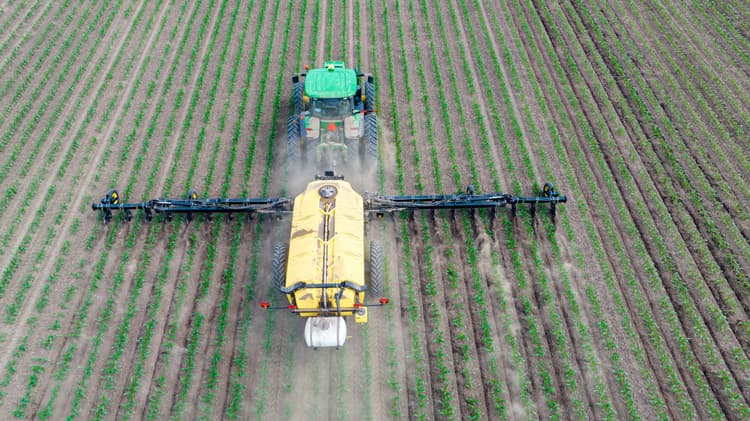
Optimize nutrient management for reduced on-farm emissions
Companies striving to reduce emissions derived from mineral fertilizers should adopt fertilizer best management practices and Nutrient Use Efficiency (NUE)
WBCSD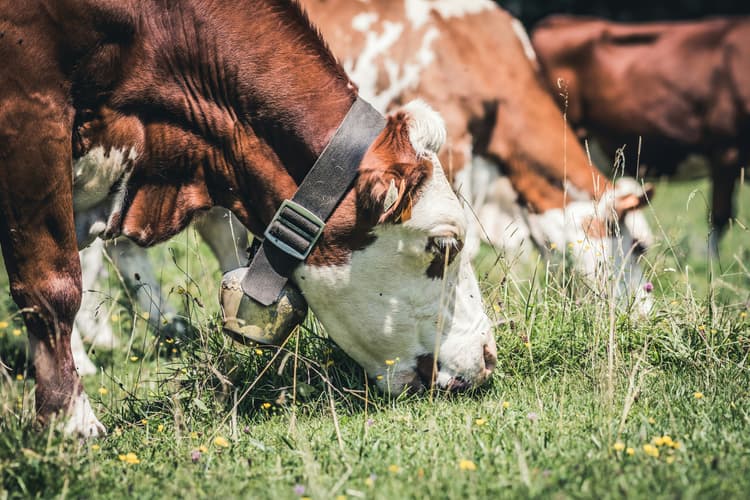
Reduce enteric fermentation emissions from ruminant animals
Reduce enteric fermentation emissions from ruminant animals by improving feed quality, animal productivity, and using dietary additives
WBCSD
Integrate carbon dioxide removal into climate strategies
Develop responsible carbon dioxide removal (CDR) investment strategies to maximize climate impact and broader sustainability goals and minimize risk.
WBCSD
Build with biobased materials
Building with biobased materials instead of CO2 intensive materials like concrete reduces CO2 emissions and energy consumption in buildings.
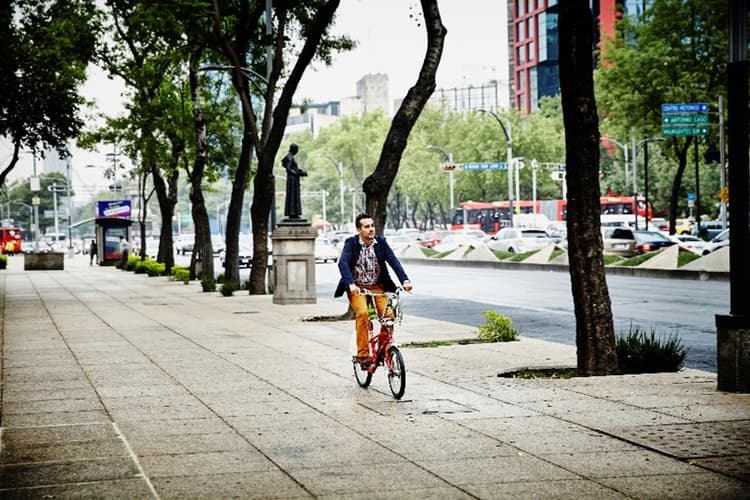
Engage employees on decarbonization
Encourages individuals to calculate and track their carbon footprint through a dedicated app, while motivating behavioral change
 Swiss Re
Align investment portfolio to net-zero goals
CTBC Holding adopted the PCAF methodology to assess portfolio emissions and set up near- and long-term SBTi carbon reduction targets to enable a pathway toward Net Zero by 2050
Lower product emissions with recycled (PCR) plastics
Replace virgin plastic by using PCR (post-consumer recycled) plastics in products to reduce GHG emissions, conserve natural resources and divert waste from landfills and oceans
 Acer
Acer
Use AI air compressor system to reduce energy consumption
To minimize carbon emissions from facility equipment while ensuring production, an adaptive system of air compressors can reduce power consumption per finished good by 41%
 Wistron Corporation
Maximize waste recovery in the pulp and paper mill
Adopting processes to recover energy from waste, such as black liquor gasification, can lead to higher resource and energy efficiency, while reducing GHG emissions
Forest Solutions Group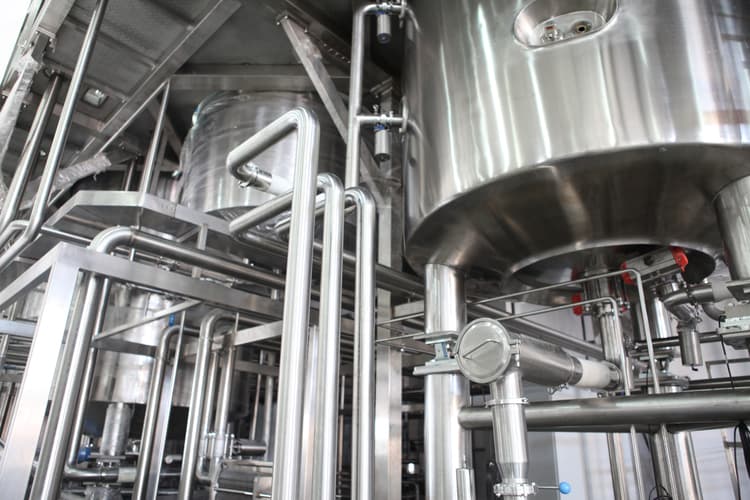
Switch to industrial electric boilers
Electric boilers convert electricity into heat to produce steam, with almost 100% efficiency, reducing the greenhouse gas emissions typically associated with heat production
Forest Solutions Group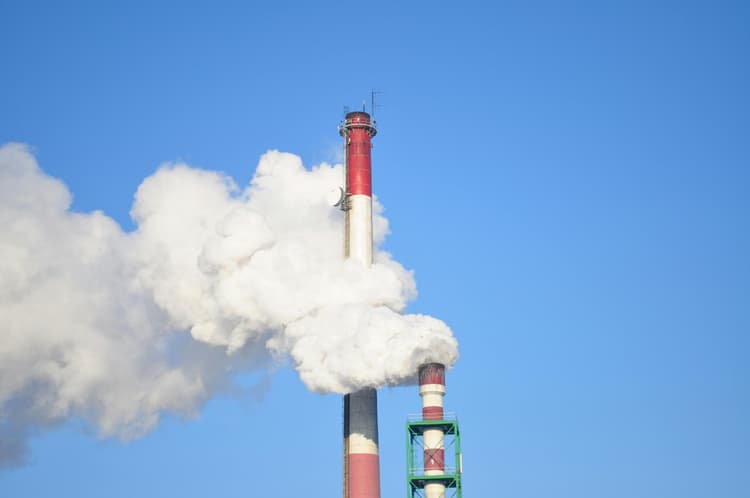
Adopt BECCS technologies
As the pulp and paper industry is the largest industrial consumer of biomass, there are many large sources of biogenic GHG emissions that could be captured with BECSS
Forest Solutions Group
Switch to low-carbon fuels: deep dive on low-carbon hydrogen
Low-carbon hydrogen has several advantages as a fuel, as it does not emit CO2 into the atmosphere when burned and can be stored in large volumes compared to electricity
Forest Solutions Group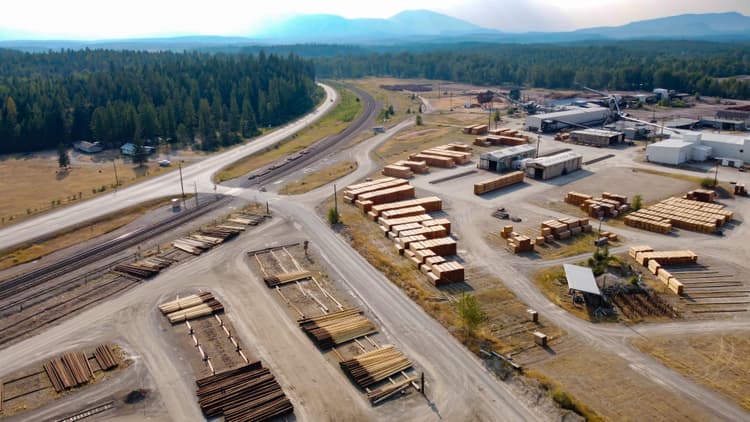
Adopt heat recovery technologies in the sawmill
Adopting heat recovery technologies in the sawmill can increase efficiency and reduce heat loss which saves energy, reduces fuel combustion and emissions associated with operations.
Forest Solutions Group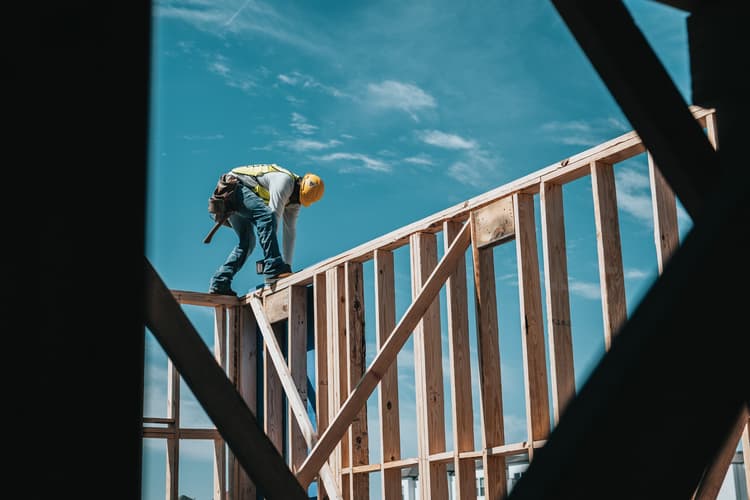
Adopt wood products to reduce construction emissions
Using sustainably sourced wood products in construction can mitigate GHG emissions from the built environment while providing other benefits such as ease of installation.
Forest Solutions Group
Increase carbon removals with sustainable forest management
Sustainable forest management is critical for maintaining and increasing carbon removals in working forests, and reducing operational emissions associated with forest production
Forest Solutions Group
Invest in innovative pulping and paper making technologies
Adopting technologies that are more efficient than conventional methods will reduce GHG emissions from fuel combustion, and reduce the energy inputs associated with paper production
Forest Solutions Group
Optimize sorting & recycling for paper and textile
Adopt sorting technologies combined with improved design and better integration of recovered paper into manufacturing processes can reduce GHG emissions improving resource efficiency.
Forest Solutions Group
Decarbonize suppliers through a collaborative approach
Decarbonize the supply chain by incentivizing suppliers and collectively building decarbonization capacity, as well as connecting them to CDP
 Philips
Redesign the value chain and source strategies
To meet emissions targets and decarbonize at scale, companies need to pursue innovative business models and technologies, and transform their value chains for sustainability.
BCG
Build partnerships through alliances and co-investments
Partnerships help solve multiple supplier decarbonization challenges. When selecting partners, consider who to work with, what issues to target, and how to ensure effectiveness.
BCG
Create financial incentives for suppliers
Supplier decarbonization can be incentivized financially or non-financially. Understanding supplier context and related benefits and risks is key for implementation.
BCG
Implement circularity in value chains to reduce emissions
Circular economy approaches in the value chain address inputs, product design, production, and end-of-life activities to increase reuse and recycling of raw materials and products
BCG
Reduce building emissions with energy management systems
Energy management systems optimize the operations and maintenance of energy assets in buildings, allowing energy savings of around 10-15% and emissions reductions
BCG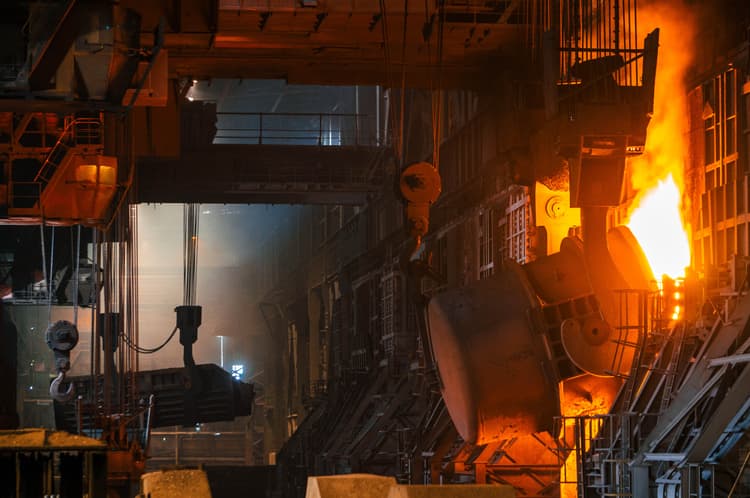
Switch to renewable energy to decarbonize industrial heat
Low- or zero-carbon fuels and renewable energy technologies allow heat-intensive industries to reduce emissions from combustion of fuels (e.g., in manufacturing facilities)
BCG
Switch to alternative proteins in commercial food production
Commercial food producers can adopt meat alternatives by sourcing proteins from plants, fermentation, or cultivated animal cells to reduce emissions from animal-based foods
BCG
Maintain and enhance forest carbon sinks with silviculture
The impacts of climate change on forest health and productivity are constantly evolving. Weyerhaeuser manages their forests to ensure they remain part of the climate solution
 Weyerhaeuser Company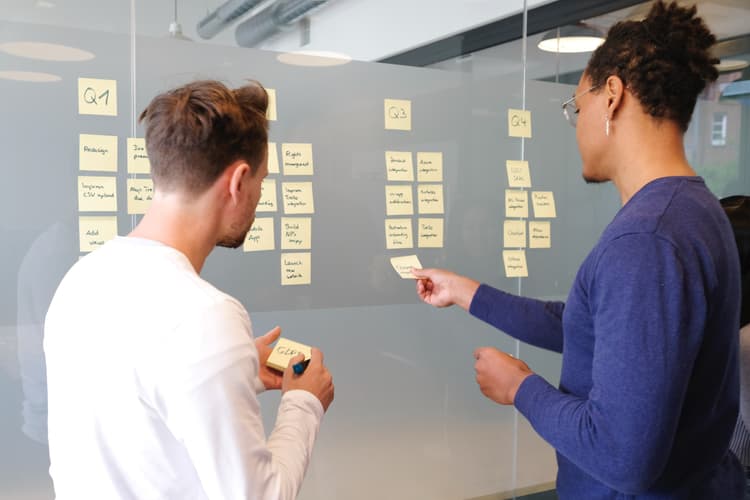
Collaborate with peers to set and meet supplier targets
Decarbonize supply chains by collaborating with peers to set industry-wide supplier targets (e.g., for renewable energy) and help suppliers achieve these by aggregating demand
BCG
Finance climate action with green bonds
Green bonds is a broad term for the raising and use of debt specifically for decarbonization or sustainability-related efforts
BCG
Decarbonize low-temperature heating using heat as a service
Heat as a service (HaaS) enables companies to source sustainable heat through a long-term contract without the need for upfront investment.
WBCSD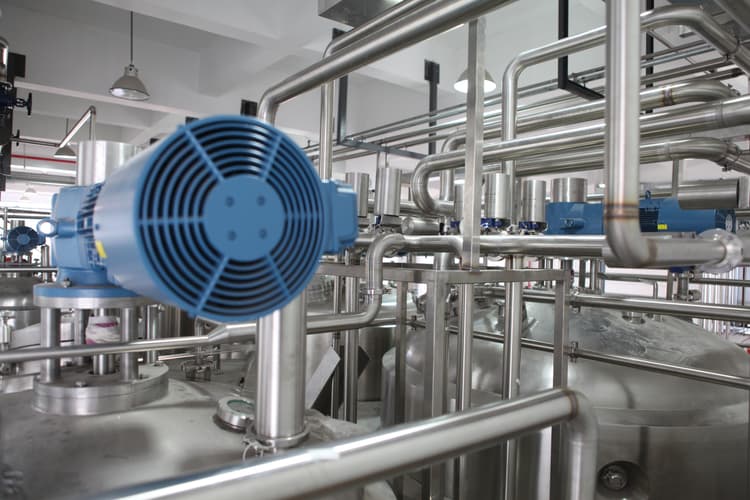
Decarbonize low-temperature industrial heat with heat pumps
Industrial heat pumps generate low-temperature process heat with higher efficiency and lower GHG emissions than conventional fossil fuel heating options.
WBCSD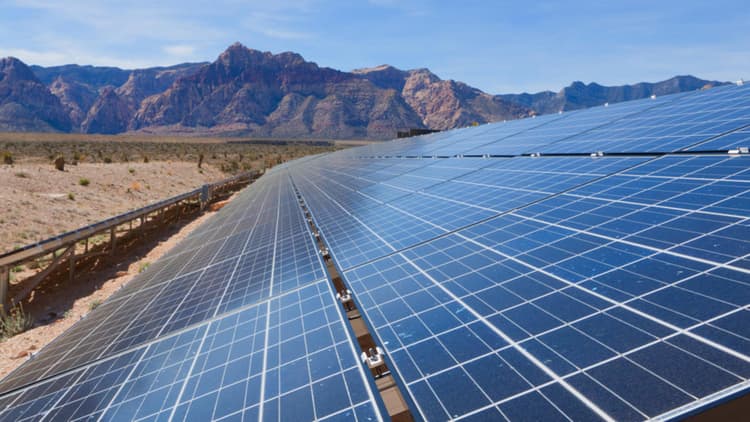
Source renewable electricity with PPA
Power Purchase Agreements (PPA) enable companies to source renewable electricity and achieve operational cost savings without upfront investments.
WBCSD
Optimize chiller efficiency with artificial intelligence
Improved chiller efficiency at the Olympian City 3 shopping mall in Hong Kong by harnessing artificial intelligence (AI), reducing energy used and related costs
Design and implement SF6-free solutions for the grid
Decrease SF6 emissions by establishing cross-sector partnerships to identify, design, develop and implement SF6-free assets
National Grid
Decarbonize road freight transport with fuel cell trucks
Switching to fuel cell electric vehicles (FCEVs) from internal combustion engines (ICEs) could lower direct fuel combustion emissions from fossil fuels
WBCSD
Switch from diesel to electric in rail transportation
Switching from diesel-powered to electricity-based rail transport can reduce direct fuel combustion emissions from diesel
WBCSD
Shift from gas or coal to electric industrial furnaces
The decreased cost of electrical equipment and increased energy efficiency grows opportunites for electrictrifying industries, enabling a reduction in GHG emissions
WBCSD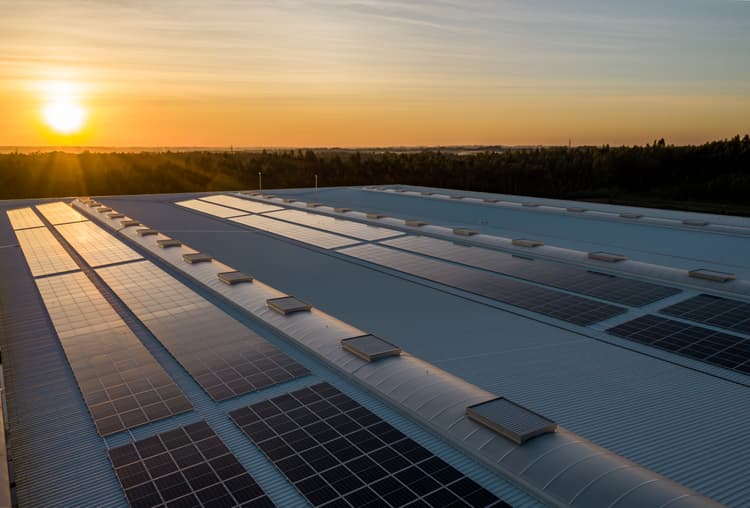
Opt for solar thermal water heating in buildings
Installing solar thermal can reduce the indirect use phase carbon dioxide emissions in water heating, with the potential varying with climate conditions.
WBCSD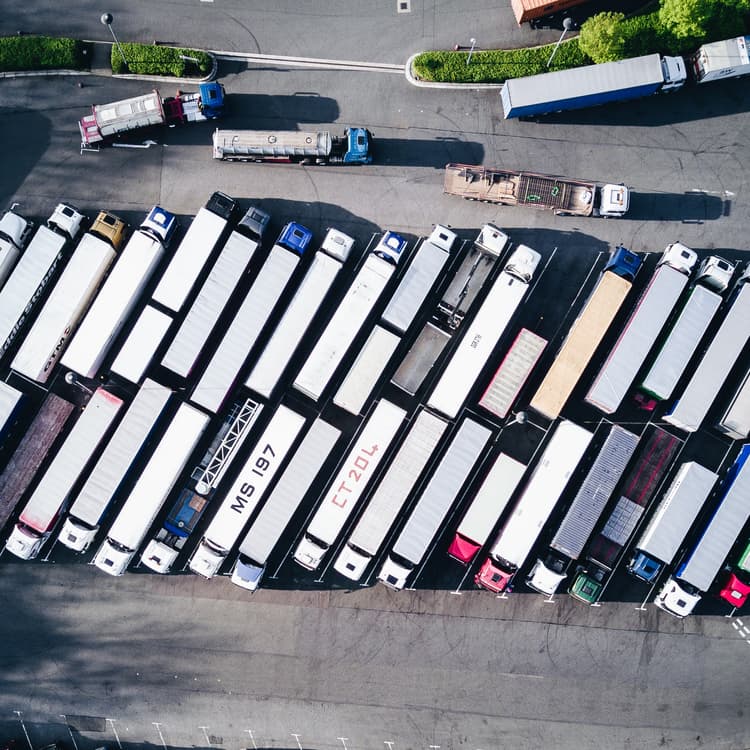
Decarbonize road freight with battery electric trucks
A switch from ICE to BEV trucks in transportation, using electric motors, can reduce direct fuel combustions emissions from fossil fuels
WBCSD
Retrofit buildings with insulation
Retrofitting buildings (residential or commercial) with insulation systems can reduce associated lifecycle emissions and save annual utility payments
WBCSD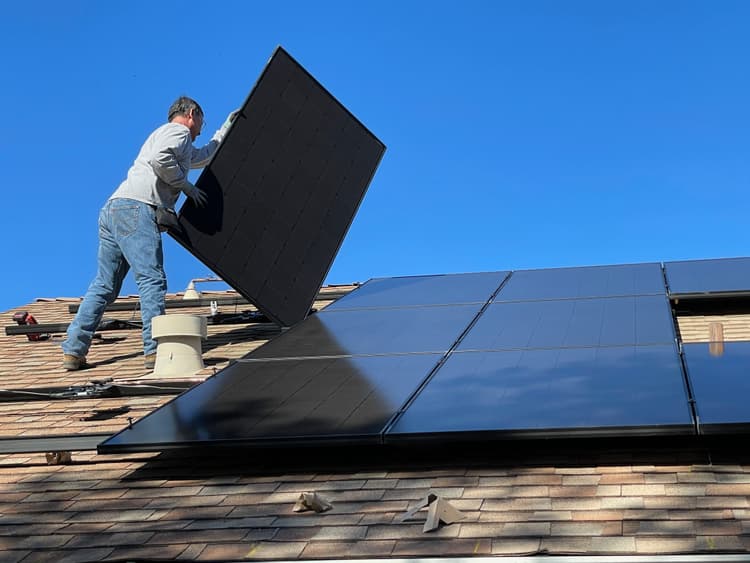
Switch to solar energy with rooftop photovoltaics
A shift in the power mix from coal- and gas-based electricity generation to photovoltaics can substantially reduce related lifecycle emissions
WBCSD
Switch to electric/hybrid heat pumps in buildings
The use of electric or hybrid heat pumps is becoming more competitive economically in recent years and can accelerate the process of decarbonization.
WBCSD
Harness green hydrogen for ammonia generation
Green hydrogen as an efficient and economically viable decarbonization solution for industrial use, reducing natural gas requirements and GHG emissions
 Iberdrola
Switch to electric/hybrid boilers in buildings
Installing electric or hybrid boilers for building heating reduces carbon dioxide emissions across all stages of the product life cycle and all GHG scopes
WBCSD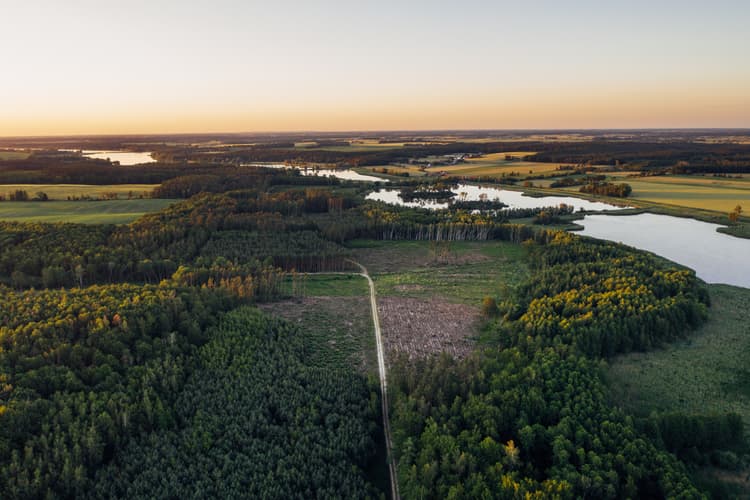
Use nature-based solutions as part of Net Zero action
Companies can both decarbonize land use sector activities and contribute to global Net Zero through investing in nature-based solutions
WBCSD
Decarbonize transport with battery electric vehicles
Switching to battery electric vehicles (BEVs) is an alternative to internal combustion engines (ICEs) which can reduce direct fuel combustion emissions from fossil fuels
WBCSD
Improve product environmental footprint with eco-design
Eco-design requirements for energy efficiency and circularity while avoiding the use of hazardous substances and scarce resources in products
Philips
Move from gas to electric low temperature heating systems
Electrifying low temperature heating processes offers higher energy efficiency, lower investment while significantly reducing operational GHG emissions
WBCSD
Opt for electric medium temperature heating systems
Electrifying medium temperature heating systems within industry player’s operations allows for lower operating costs, higher efficiency and lower CO2 emissions
WBCSD
Harness PPA for renewable electricity
Using Power Purchase Agreements (PPAs) to achieve 100% renewable electricity goal, through collective efforts with other businesses to support renewable projects
Philips
Generate electricity with onshore wind
A switch from coal -and gas- based electricity generation to onshore wind can reduce related lifecycle emissions while enabling cost efficient electricity generation
WBCSD
Decarbonize transport with fuel cell electric vehicles
Switching to fuel cell electric vehicles (FCEVs) is an alternative to internal combustion engines (ICEs) to reduce direct fuel combustion emissions from fossil fuels
WBCSD
Set sustainable energy management standards
Setting sustainable energy management standards to drive the implementation of renewable energy strategies all over the company's operations
Philips
Use biofuel (ethanol) in light vehicles
With the aim of reducing its GHG emissions related to logistics activities, Iguá sought to use biofuels in the fleet

Impact smallholder livelihoods through better farming
Empowering smallholder farmers through access to sustainable practices, efficient irrigation, and better inputs, reducing resource use and agricultural emissions
Bayer
Empower suppliers to drive climate action
Initiative strengthens suppliers’ readiness for a low carbon future through ESG integration, human rights practices and improved access to sustainable financing
 Petronas
Unlock climate adaptation through inclusive finance
Supports climate adaptation in fragile contexts by financing solar energy and water-efficient agriculture to reduce exposure to fuel and water shocks
 Al-Amal Microfinance Bank
Drive bio-based chemicals for a low-carbon economy
Developing a portfolio of bio-based chemicals and plastics to reduce emissions and support the global transition to a low-carbon and circular economy
 Braskem
Mobilize adaptation finance for resilient infrastructure
Enables delivery of resilient solar modules in regions facing extreme weather, reducing physical risk to energy infrastructure and advancing adaptation finance.
 Standard Chartered
Transform a town with climate-resilient energy
A low-carbon energy network in a township delivers heating and cooling for 6,000+ buildings, cutting emissions by 88% and boosting urban resilience
 Silvertown

Finance deforestation-free soy production
By linking crop loans to forest protection, the initiative helps soy farmers expand responsibly while safeguarding native vegetation and avoiding deforestation.
 Rabobank